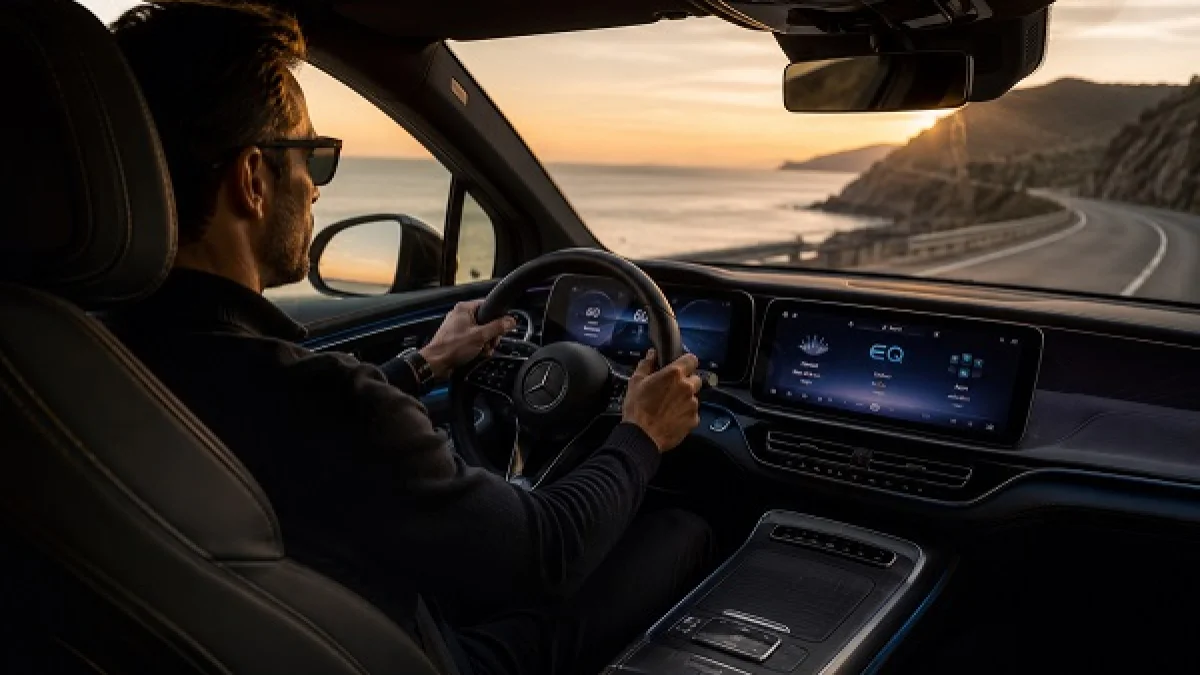
Will Luxury Cars Lose Their Identity as Engine Roar Disappears?
The shift to electric vehicles is no longer simply about replacing the powertrain. It has become a real test of whether luxury automotive brands can preserve their long-established identities at a time when batteries, vehicle platforms, and software are becoming increasingly similar across the industry. This transition challenges premium manufacturers to embrace electrification, artificial intelligence, and digital technologies while maintaining the exclusivity, craftsmanship, and character that have defined them for decades.
Luxury Is No Longer Defined by Engine Size Alone
For many years, a luxury car was closely associated with a large engine, a distinctive exhaust note, and a sophisticated transmission. Today, however, those attributes are no longer the only benchmarks of excellence. In the electric era, luxury is also measured by instant responsiveness, a quiet cabin, advanced software, continuous over-the-air updates, and the vehicle's ability to understand driver preferences and deliver a more personalized ownership experience. Electric platforms have also given designers greater flexibility in cabin packaging by eliminating many mechanical components that previously limited both exterior styling and interior space.
Silence Becomes a Defining Luxury Feature
Although the absence of engine sound may appear to remove part of a vehicle's personality, it also creates an opportunity for premium brands to deliver an even higher level of comfort. Electric vehicles produce less noise and vibration while providing instant torque and smooth acceleration. At the same time, placing the battery pack beneath the floor lowers the center of gravity, improving stability and driving confidence. As a result, the challenge has shifted from creating a memorable engine soundtrack to delivering a distinctive driving experience built around precision, refinement, and immediate response.
The Risk of Increasing Similarity
One of the biggest concerns is that many electric vehicles now rely on closely related technologies, including batteries, electric motors, digital displays, and connected systems. As technical specifications become more alike, customers may find it increasingly difficult to distinguish between a manufacturer with more than a century of heritage and a newer company that entered the market only a few years ago. Success will therefore depend not only on offering longer driving range or larger displays, but also on each brand's ability to give its technology a unique identity through design, material quality, driving character, and customer services.
Rolls-Royce Finds a Natural Fit in Electrification
The Rolls-Royce Spectre demonstrates how an established luxury brand can view electrification as a natural extension of its identity, since silence and effortless refinement have always been among its defining characteristics. In its Black Badge version, the vehicle combines luxury and performance while preserving the distinctive character expected by the brand's customers. It highlights that success in the electric luxury segment will not be determined by technology alone, but by each manufacturer's ability to preserve its heritage and deliver a driving experience that reflects its longstanding values and identity.
Related News
View All News
Passenger Cars Drive Egyptian Market Growth in 2026.. Nissan Leads
Passenger car sales in Egypt rose 22% in the first eight months of 2026 to 101,492 units. Nissan led the market with 16,616 vehicles, followed by MG and Chery. Changan…
Local Assembly Drives Truck Sales in Egypt Up 22.7% in 8 Months
Truck sales in Egypt rose 22.7% in the first eight months of 2026 to 21,852 units. Locally assembled trucks grew 16.1% to 18,719 vehicles, while imported trucks surged 85.4% to…
King Long Leads Egypt Bus Sales with 29.6% Share in First 8 Months
King Long led Egypt's bus market with a 29.6% share and 3,581 vehicles in the first eight months of 2026. Toyota came second at 18.6% with 2,251 units, followed by…
Toyota HiAce Dominates Egypt's Tourist Minibus Sales with 85% Share in 8 Months
Toyota HiAce commanded 85% of Egypt's tourist minibus segment in the first eight months of 2026, selling 1,022 units. Foton CS2 placed second with 134 vehicles and an 11% share,…
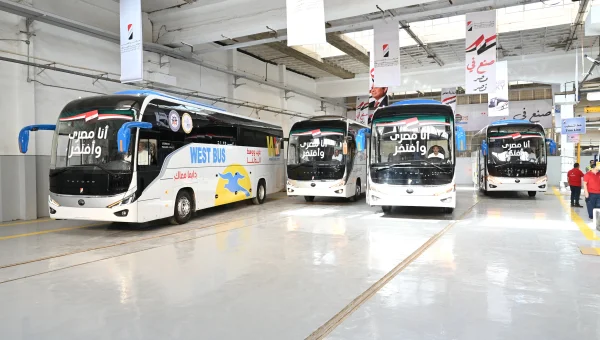
Local Assembly Drives Bus Sales in Egypt Up 78.5% Over 8 Months
Bus sales in Egypt reached 12,101 units in the first eight months of the year, up 78.5% from 6,781 vehicles last year. Locally assembled buses drove the growth, rising 73.5%…