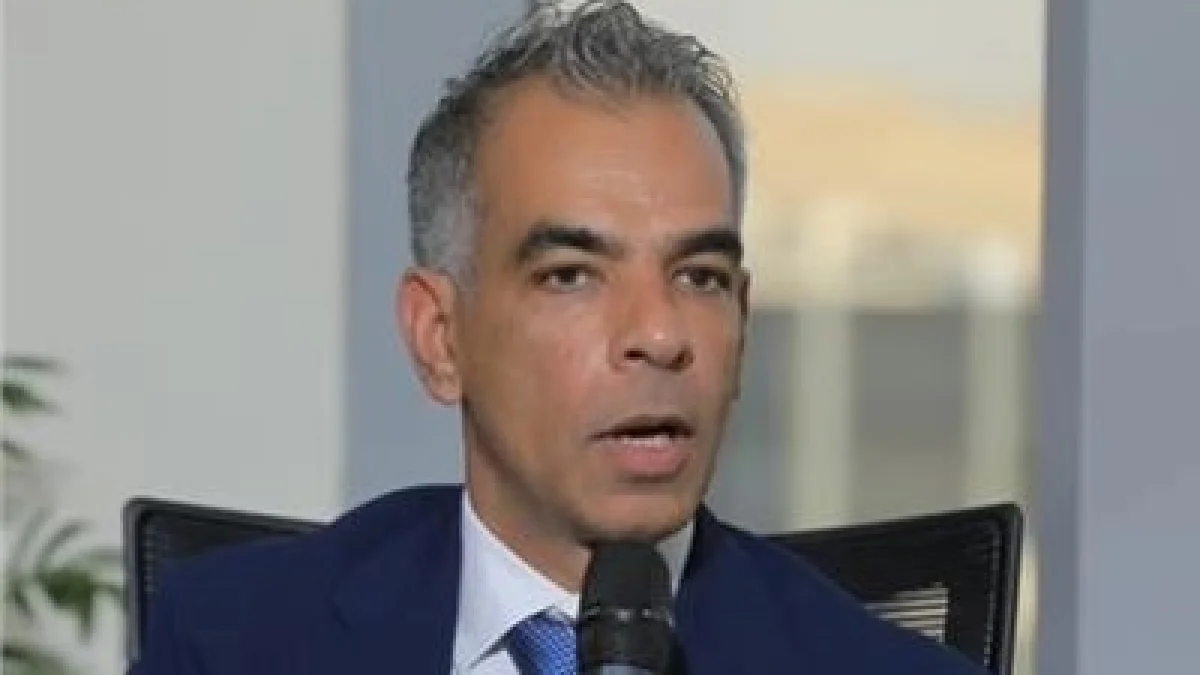
Why Egypt Bets on Auto Industry? Deputy Minister Reveals Localization Plan
Engineer Mohamed Sami, Deputy Minister of Industry for Strategic Affairs, confirmed that expanding automotive localization in Egypt aims to build an integrated industrial system, not just higher production. He explained that the car sector can lead growth in related industries through supply chains and feeder businesses. The strategy focuses on deepening local component manufacturing and reducing import reliance to strengthen Egypt's economic security.
Engineer Mohamed Sami, Deputy Minister of Industry for Strategic Affairs, confirmed that expanding automotive localization goes beyond raising local vehicle production. The initiative fits within a broader vision to build an integrated industrial system capable of driving numerous related sectors through supply chains and feeder industries.
One Industry Leads Economic Growth
Sami made these statements during an interview with media figure Rania Hashem on the 'Fourth Dimension' program on 'Extra News' channel. The automotive sector represents one of the strongest sectors for leading growth across multiple industries. Manufacturing doesn't stop at the final assembly line. The complete ecosystem behind each vehicle is what truly matters.
Interconnections between car production and other sectors strengthen local added value. Every vehicle leaving the factory carries hundreds of components—either locally made or with high local manufacturing potential. That is what the state intends to exploit fully.
Localization and Economic Security
Sami stressed that industry localization stands as a fundamental goal during the current phase. Boosting local productive capacity and cutting external dependence aren't empty slogans. Owning a strong industrial base gives the economy greater flexibility when facing global shifts and external challenges.
This direction links directly to a broader concept of economic security. Countries capable of producing basic needs domestically remain less vulnerable to external shocks. The automotive industry holds special importance because it's a composite industry with wide-reaching effects.
The Ministry of Industry views increased local manufacturing as an entry point for building a system that gradually absorbs more components. Seeing more new cars roll off Egyptian production lines isn't the finish line — real progress lies in deepening local content and raising the shared manufacturing ratio of every vehicle.
The announced strategy from the Ministry of Industry focuses on supporting local manufacturing as a core pillar. Local production capability translates into stronger resilience against global price fluctuations and supply chain disturbances. The key word here is integration between industrial policies and sectoral development plans.
The Practical Side of the Strategy
Implementing this vision requires preparing industrial infrastructure and attracting investments into components manufacturing. Egypt's market enjoys a distinguished geographic position and accumulated manufacturing expertise owned by companies like Hyundai, Nissan. Chery operating in the market. Local manufacturers need clear support programs for feeder industries.
The state's vision centers on the automotive sector as one of the leading industries capable of driving growth in related fields. That explains the importance of linking localization plans with comprehensive industrial development goals. Success indicators will be measured by rising local content ratios in every locally assembled vehicle.
Frequently Asked Questions
3 questions answered
Related News
View All News
Passenger Cars Drive Egyptian Market Growth in 2026.. Nissan Leads
Passenger car sales in Egypt rose 22% in the first eight months of 2026 to 101,492 units. Nissan led the market with 16,616 vehicles, followed by MG and Chery. Changan…
Local Assembly Drives Truck Sales in Egypt Up 22.7% in 8 Months
Truck sales in Egypt rose 22.7% in the first eight months of 2026 to 21,852 units. Locally assembled trucks grew 16.1% to 18,719 vehicles, while imported trucks surged 85.4% to…
King Long Leads Egypt Bus Sales with 29.6% Share in First 8 Months
King Long led Egypt's bus market with a 29.6% share and 3,581 vehicles in the first eight months of 2026. Toyota came second at 18.6% with 2,251 units, followed by…
Toyota HiAce Dominates Egypt's Tourist Minibus Sales with 85% Share in 8 Months
Toyota HiAce commanded 85% of Egypt's tourist minibus segment in the first eight months of 2026, selling 1,022 units. Foton CS2 placed second with 134 vehicles and an 11% share,…
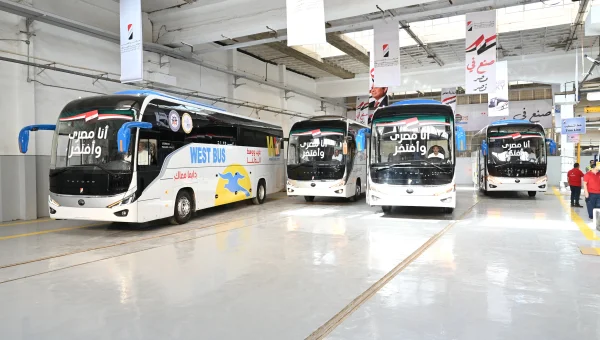
Local Assembly Drives Bus Sales in Egypt Up 78.5% Over 8 Months
Bus sales in Egypt reached 12,101 units in the first eight months of the year, up 78.5% from 6,781 vehicles last year. Locally assembled buses drove the growth, rising 73.5%…