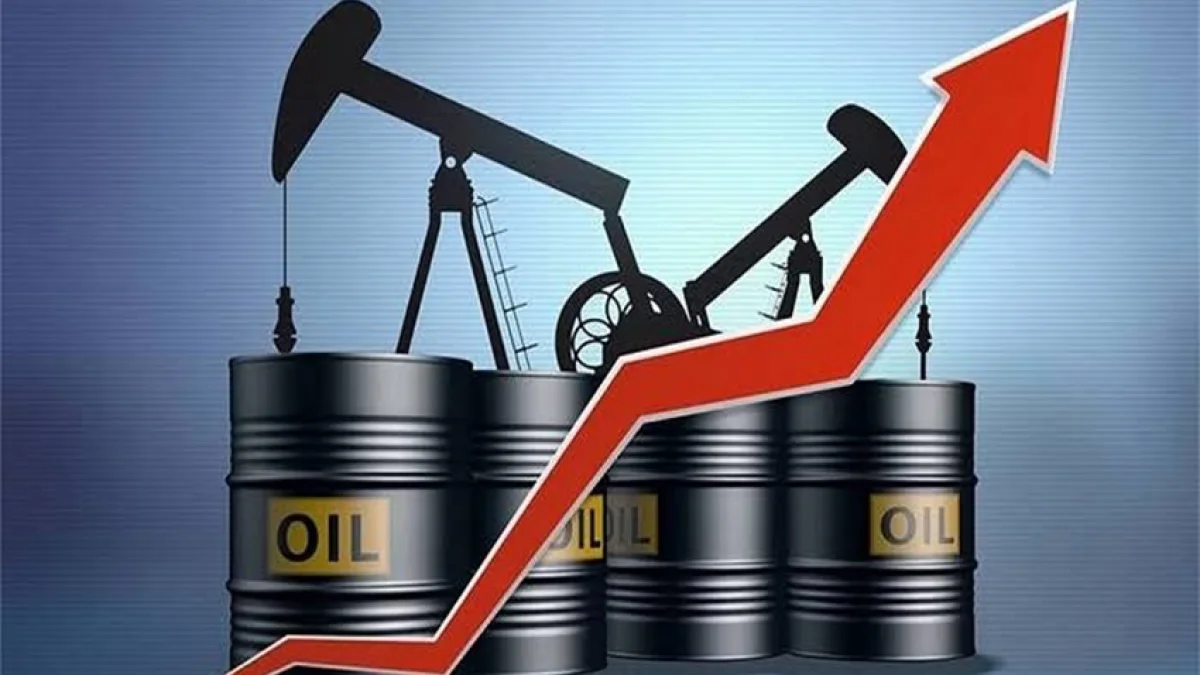
What Drives Global Oil Prices Higher and Lower?
Why do prices keep changing? Oil remains one of the most influential commodities in the global economy, so any movement in its price quickly affects transportation costs, energy expenses, and the price of a wide range of goods and services, making the oil market a key indicator for governments, businesses, and the automotive and industrial sectors alike. The impact is widespread.
Supply and Demand Set the Pace
The principle is straightforward. According to Dr. Medhat Youssef, former Vice Chairman of the Egyptian General Petroleum Corporation, oil prices are primarily driven by the law of supply and demand, meaning prices rise when demand increases or supplies decline, while stronger supply or weaker demand pushes prices lower, creating the basic framework that guides movements across global energy markets. That remains the foundation.
Production Decisions and Global Events
Production policy carries significant weight. He explains that decisions made by producing countries and the OPEC+ alliance rank among the most influential factors affecting the oil market because they regulate production levels in an effort to maintain market stability, while any adjustment in output has a direct effect on global price movements. The market reacts.
But what happens during periods of conflict? Dr. Medhat Youssef says wars and geopolitical tensions encourage some countries to increase their oil stockpiles as a precaution against potential supply shortages, a move that contributes to higher prices, with the Gulf War standing as one of the clearest examples of how military conflicts can reshape global energy markets. History proves the point.
The Global Economy Shapes Demand
2008 tells an important story. He also points out that global economic conditions play a major role in determining oil prices, as periods of economic growth increase demand for energy, while recessions and financial crises reduce consumption and put downward pressure on prices, citing the 2008 global financial crisis when oil prices fell from levels exceeding $145 per barrel to around $30 per barrel, emphasizing that the oil market continues to be one of the world's most sensitive markets to economic, political, and geopolitical developments. Change is constant.
Related News
View All NewsReport reveals: The turbo engines most prone to failure after 80,000 km
Recent fleet data shows that several turbocharged engines in Egypt begin showing costly failures at just 80,000 kilometers, while others last much longer. The main cause isn't design alone but…

Unqualified Influencers Threaten Egypt's Economy and Corporate Reputation
Dr. Said Hamed, a media professor at Suez University, warned that content from unqualified influencers on social media can damage Egypt's national economy and the reputation of state institutions. He…

Beyond the Headlines: What Really Drives Engagement on Egyptian Auto Sites?
The report examines competition among auto sites in Egypt, noting that superiority depends on understanding local buyer needs for content combining price and running costs. Analyses show over 60% of…

Egypt's One-Billion-Pound Fund Revives Ailing Auto Factories
Egypt's Central Bank and Ministry of Industry have launched a one-billion-pound fund to restructure struggling factories and restore idle production capacity. The fund will take equity stakes, restructure debt, and…

Is Now the Right Time to Buy a New Car in Egypt? 6 Indicators That Decide
New car sales in Egypt rose 29.7% in the first seven months of 2026, reaching 116,869 vehicles, with passenger car sales up 25%. Overprice premiums have declined on several models…