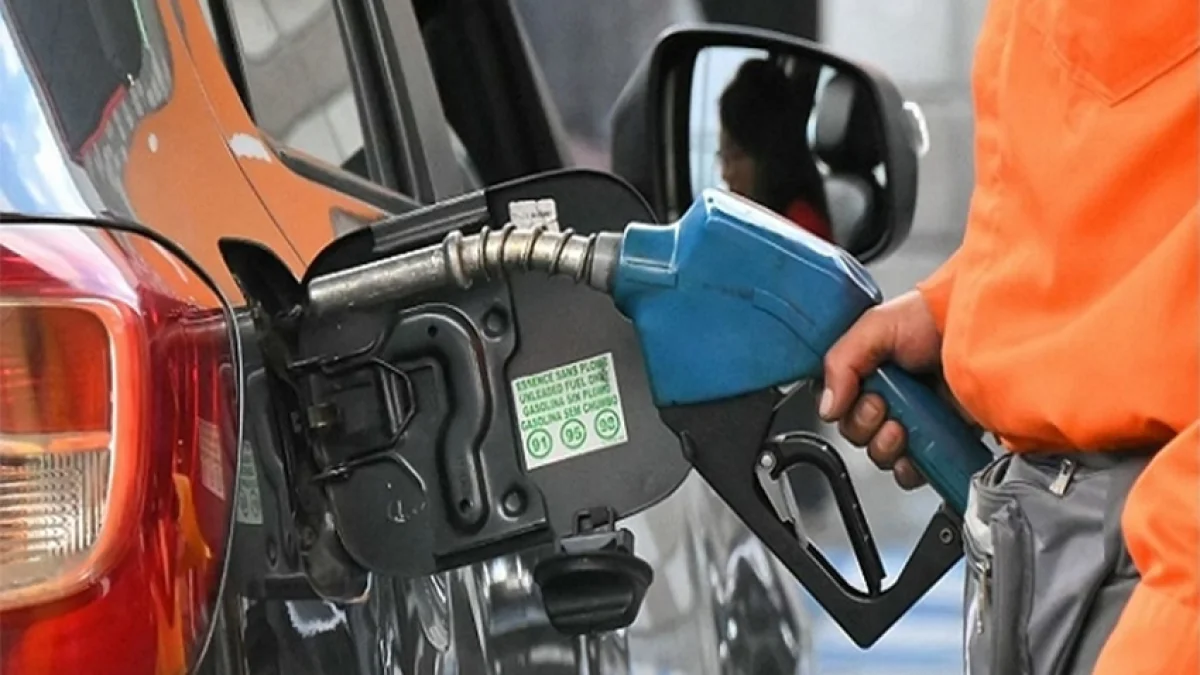
What Determines Fuel Prices in Egypt? Six Key Cost Factors Behind Every Liter of Gasoline
Whenever new gasoline and diesel prices are announced in Egypt, many consumers ask whether the retail price is determined solely by global crude oil prices. While crude oil remains an important factor, the final price paid at the fuel station reflects a broader cost structure that includes multiple production and supply chain elements before the fuel reaches motorists.
Actual Production Cost Is the Main Pricing Basis
According to engineer Medhat Youssef, former Vice Chairman of the Egyptian General Petroleum Corporation, gasoline prices in Egypt are based on the actual cost of each petroleum product rather than on crude oil prices alone. He explained that every liter of gasoline delivered to fuel stations is a blend sourced from several channels, with each source carrying its own cost that contributes to the final pricing formula.
Part of Egypt's gasoline supply is imported according to international market prices, with additional expenses that include maritime shipping, insurance, and transportation-related costs. Another portion comes from investment refining companies operating inside Egypt, including MIDOR, ANRPC, and the Egyptian Refining Company. Fuel purchased from these refiners is linked to international market prices but does not include import-related expenses.
Several Additional Expenses Shape the Final Pump Price
Youssef also explained that another share of gasoline is produced from crude oil purchased by the state from the foreign partners' production share. This portion is priced according to Brent crude benchmarks, making it more expensive because it is purchased in U.S. dollars. By comparison, another portion is refined from Egypt's own crude oil share, making it the lowest-cost source because the state does not purchase the crude itself and bears only refining and manufacturing expenses.
The total cost does not end with production. Transportation, storage, distribution, marketing expenses, marketing company margins, fuel station operator margins, taxes, and government fees are all added before the retail selling price is determined. Youssef emphasized that all of these components together represent the actual cost of a liter of gasoline, forming the basis for the consumer price. He added that the same pricing mechanism also applies to diesel, liquefied petroleum gas, kerosene, and fuel oil, although each petroleum product has its own cost structure and production components. As a result, the price of fuel in Egypt reflects the combined costs of importing, producing, refining, transporting, distributing, and taxation rather than relying exclusively on the global price of a barrel of crude oil.
Related News
View All News
Passenger Cars Drive Egyptian Market Growth in 2026.. Nissan Leads
Passenger car sales in Egypt rose 22% in the first eight months of 2026 to 101,492 units. Nissan led the market with 16,616 vehicles, followed by MG and Chery. Changan…

Local Assembly Drives Truck Sales in Egypt Up 22.7% in 8 Months
Truck sales in Egypt rose 22.7% in the first eight months of 2026 to 21,852 units. Locally assembled trucks grew 16.1% to 18,719 vehicles, while imported trucks surged 85.4% to…

King Long Leads Egypt Bus Sales with 29.6% Share in First 8 Months
King Long led Egypt's bus market with a 29.6% share and 3,581 vehicles in the first eight months of 2026. Toyota came second at 18.6% with 2,251 units, followed by…

Toyota HiAce Dominates Egypt's Tourist Minibus Sales with 85% Share in 8 Months
Toyota HiAce commanded 85% of Egypt's tourist minibus segment in the first eight months of 2026, selling 1,022 units. Foton CS2 placed second with 134 vehicles and an 11% share,…

Local Assembly Drives Bus Sales in Egypt Up 78.5% Over 8 Months
Bus sales in Egypt reached 12,101 units in the first eight months of the year, up 78.5% from 6,781 vehicles last year. Locally assembled buses drove the growth, rising 73.5%…