
U.S. Auto Market Faces Major Shrinkage by 2040, Experts Predict
The U.S. automotive market may never again reach the record sales levels achieved a decade ago, when 17.6 million cars, trucks, and SUVs were sold. According to a report by CNBC citing analysts at Bain & Company, several indicators suggest the market is heading toward a significant contraction, with sales expected to drop by more than two million units by 2040.
Key Drivers Behind the Decline
Bain & Company analysts point to a combination of factors driving this downturn: declining birth rates, shifting consumer behavior, rising vehicle prices, and the growing availability of alternative transportation options. Mark Gottfredson, a partner at Bain, explained that these trends point to a future where automakers will compete fiercely for a shrinking customer base. He noted that the auto industry has historically relied on 1% annual growth tied to population increases, but global government statistics now show slowing population growth, with some countries already recording declines.
Demographic Challenges and Fertility Rates
The U.S. fertility rate in 2025 stands at approximately 1.6 births per woman, below the replacement rate of 2.1, according to the Centers for Disease Control and Prevention. While this rate is not as low as in some European or Asian countries, it still signals a long-term demographic challenge. Gottfredson described the situation as "extremely difficult conditions," adding that the industry is transitioning from a growth sector to a declining one, all while technology is revolutionizing every aspect of mobility.
Immigration and Policy Impact
Bain noted that the decline in births has been partially offset by relatively high immigration levels, historically averaging around one million people per year. However, the firm expects restrictive immigration policies to persist over the next 15 years, potentially cutting net immigration rates in half compared to the 20-year average and returning to 2019 levels. This slowdown in immigration will further exacerbate the contraction in the auto market.
Changing Consumer Behavior and Driving Habits
Consumer behavior is also shifting, driven by rising car prices and the availability of cheaper alternatives such as ride-sharing and e-bikes. Gottfredson highlighted that only half of today's 16-year-olds obtain a driver's license, compared to 70% of teens in the same age group between 1966 and 1984. Bain's research suggests this is more of a delay than a permanent rejection, as most individuals eventually get licensed by age 25. Nevertheless, the declining rate of new vehicle registrations among younger demographics remains a worrying sign for the automotive industry.
Related News
View All News
Passenger Cars Drive Egyptian Market Growth in 2026.. Nissan Leads
Passenger car sales in Egypt rose 22% in the first eight months of 2026 to 101,492 units. Nissan led the market with 16,616 vehicles, followed by MG and Chery. Changan…

Local Assembly Drives Truck Sales in Egypt Up 22.7% in 8 Months
Truck sales in Egypt rose 22.7% in the first eight months of 2026 to 21,852 units. Locally assembled trucks grew 16.1% to 18,719 vehicles, while imported trucks surged 85.4% to…
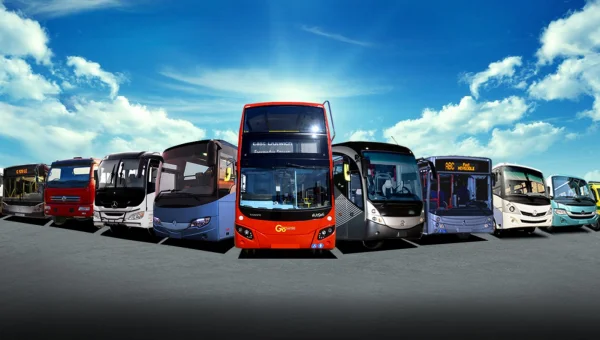
King Long Leads Egypt Bus Sales with 29.6% Share in First 8 Months
King Long led Egypt's bus market with a 29.6% share and 3,581 vehicles in the first eight months of 2026. Toyota came second at 18.6% with 2,251 units, followed by…
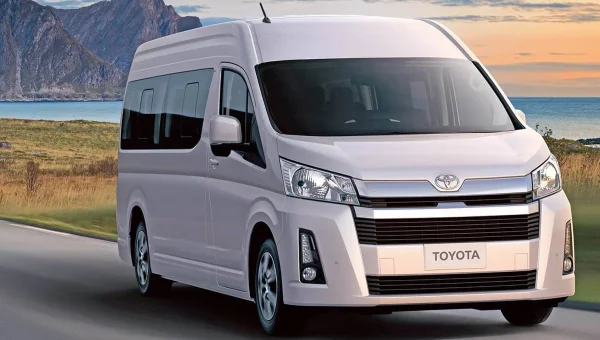
Toyota HiAce Dominates Egypt's Tourist Minibus Sales with 85% Share in 8 Months
Toyota HiAce commanded 85% of Egypt's tourist minibus segment in the first eight months of 2026, selling 1,022 units. Foton CS2 placed second with 134 vehicles and an 11% share,…

Local Assembly Drives Bus Sales in Egypt Up 78.5% Over 8 Months
Bus sales in Egypt reached 12,101 units in the first eight months of the year, up 78.5% from 6,781 vehicles last year. Locally assembled buses drove the growth, rising 73.5%…