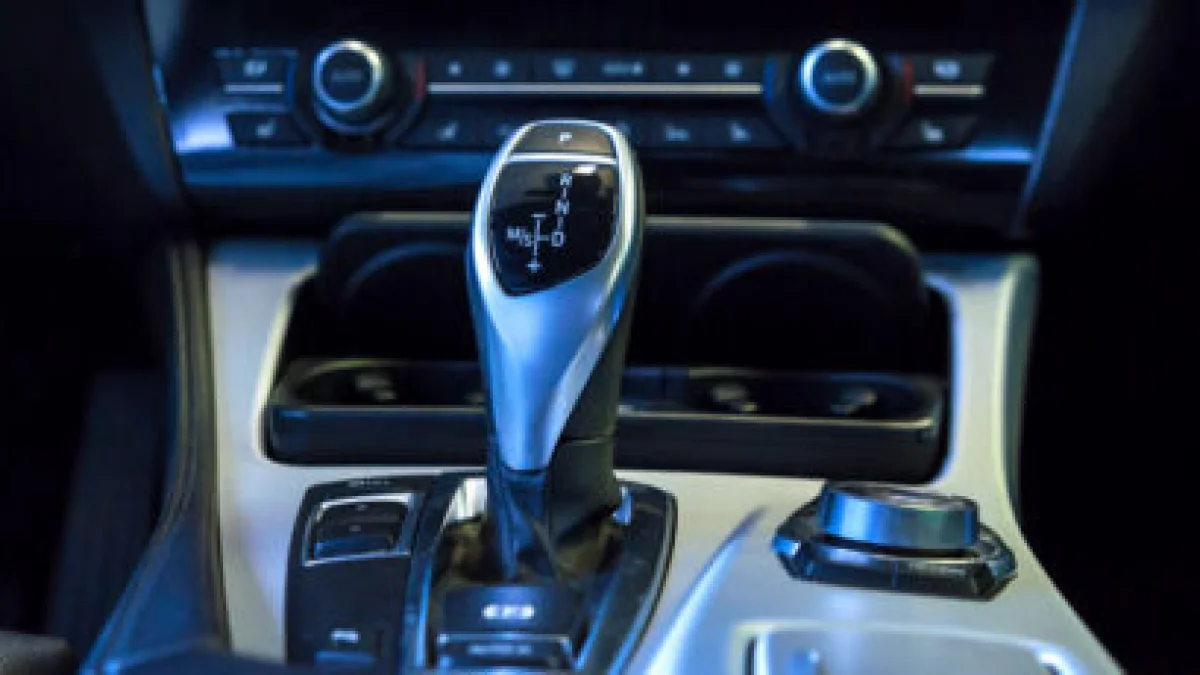
5 Golden Habits to Extend Your Gearbox Lifespan
The gearbox remains one of the most expensive components in any car. Replacing or rebuilding it can cost thousands of pounds, yet most drivers ignore it until something goes wrong. Surprisingly, transmission failures rarely happen overnight; they are the result of years of accumulated neglect. A little regular maintenance can add years of service life and thousands of safe kilometers.
Why Transmission Fluid is the Lifeblood of Your Gearbox
Transmission fluid does far more than lubricate moving parts. It cools the internal components, flushes out debris. In automatic gearboxes it builds the hydraulic pressure needed for smooth gear changes. When the level drops or the fluid becomes contaminated, every one of those functions suffers.
Make it a habit to check the fluid every couple of months, especially before long highway trips. Watch for three things: level, color, and smell. Healthy fluid usually appears red or light pink with a slightly sweet odor. A brown or black tint, or a burnt smell, points to overheating or internal wear that needs immediate attention. Many modern cars no longer have a traditional dipstick, so check your owner's manual for the recommended procedure — some require a special tool and specific operating temperatures.
When to Change the Fluid: The Golden Rule
Even when the fluid looks fine during a check, it still requires periodic replacement. Over time the chemical additives break down, lubricating properties fade, and fine metal particles accumulate from natural internal wear.
Manufacturer recommendations vary widely, usually between 50,000 and 160,000 kilometers depending on the model and gearbox type. Heavy loads, stop-and-go city traffic, or extreme heat put extra stress on the transmission, so you should shorten those intervals accordingly.
The simplest advice: if you buy a used car with unknown maintenance history, change the fluid immediately. That inexpensive preventive step beats a full transmission rebuild every time.
Related News
View All News
Beyond the Headlines: What Really Drives Engagement on Egyptian Auto Sites?
The report examines competition among auto sites in Egypt, noting that superiority depends on understanding local buyer needs for content combining price and running costs. Analyses show over 60% of…

Egypt's One-Billion-Pound Fund Revives Ailing Auto Factories
Egypt's Central Bank and Ministry of Industry have launched a one-billion-pound fund to restructure struggling factories and restore idle production capacity. The fund will take equity stakes, restructure debt, and…

Is Now the Right Time to Buy a New Car in Egypt? 6 Indicators That Decide
New car sales in Egypt rose 29.7% in the first seven months of 2026, reaching 116,869 vehicles, with passenger car sales up 25%. Overprice premiums have declined on several models…
Egyptian Car Market 2025: Challenges and Opportunities
Egypt's car market in 2025 faces up to 15% price hikes for Toyota and Nissan, an 8% drop in new car sales, and growing demand for used cars. Electric and…
China Tops Global Auto Industry: From Imitation to Technological Leadership
China's auto industry has shifted from imitation to global leadership, driven by massive investments in electric vehicles and AI. Companies like BYD adopted self-integration in production, cutting costs and boosting…