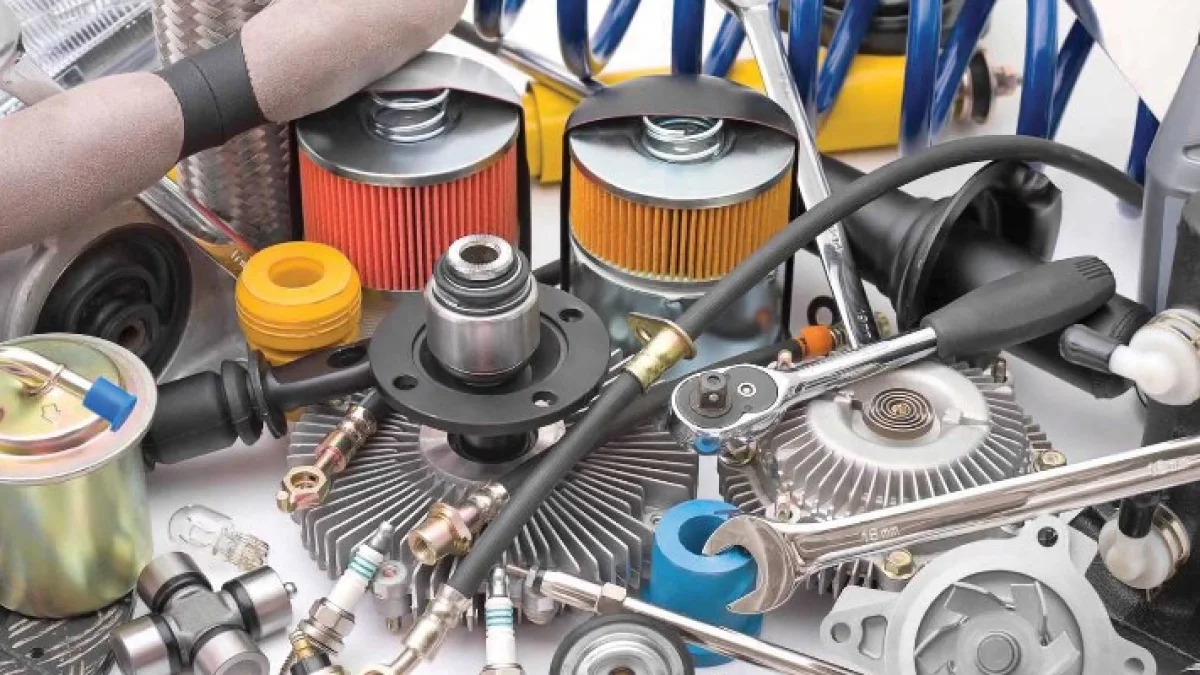
Rising Tensions With Beijing Expose Challenges Facing the U.S. Auto Components and Engine Industry
The global automotive industry has entered a new phase of competition that extends far beyond vehicle design and engine development. Technology, politics, national security, and supply chains have become central factors shaping the sector. As the transition toward electric vehicles accelerates, the automotive industry has emerged as one of the most significant arenas of economic competition between the United States and China, while the difficulties affecting the American auto components and engine sector continue to highlight the challenges facing the industry within the United States.
A Competition Beyond Vehicle Manufacturing
Global automotive competition is no longer defined solely by producing more advanced vehicles or developing more efficient powertrains. It is increasingly tied to securing advanced technologies, strengthening industrial capabilities, protecting national security interests, and maintaining resilient supply chains. The rapid expansion of electric vehicles has accelerated this transformation, making the rivalry between the United States and China more strategic and more closely linked to the future direction of the automotive industry.
Growing Pressure on the American Supply Chain
The challenges confronting the U.S. auto components sector reveal deeper structural issues affecting domestic manufacturing as competition with Beijing intensifies. These developments demonstrate how modern vehicle production depends not only on assembly and engineering expertise but also on access to critical technologies and stable supply chains that support long-term industrial competitiveness.
As the global shift toward electric vehicles continues, automotive components and engine manufacturing remain essential parts of a broader industrial ecosystem built on innovation, technology, and reliable supply networks. Current developments underscore that the competition between the United States and China extends well beyond finished vehicles and now encompasses every major aspect of the automotive industry, with the pressures facing the American components sector reflecting the wider economic and strategic rivalry between the two countries.
Related News
View All News
Passenger Cars Drive Egyptian Market Growth in 2026.. Nissan Leads
Passenger car sales in Egypt rose 22% in the first eight months of 2026 to 101,492 units. Nissan led the market with 16,616 vehicles, followed by MG and Chery. Changan…
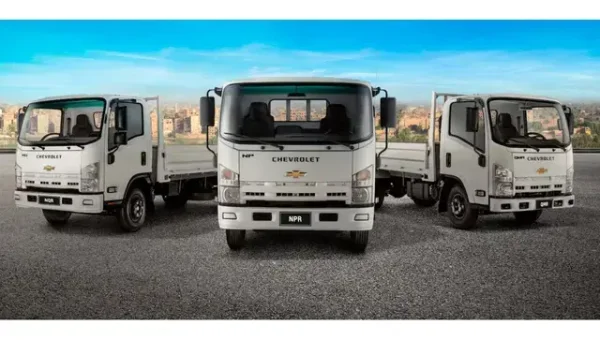
Local Assembly Drives Truck Sales in Egypt Up 22.7% in 8 Months
Truck sales in Egypt rose 22.7% in the first eight months of 2026 to 21,852 units. Locally assembled trucks grew 16.1% to 18,719 vehicles, while imported trucks surged 85.4% to…
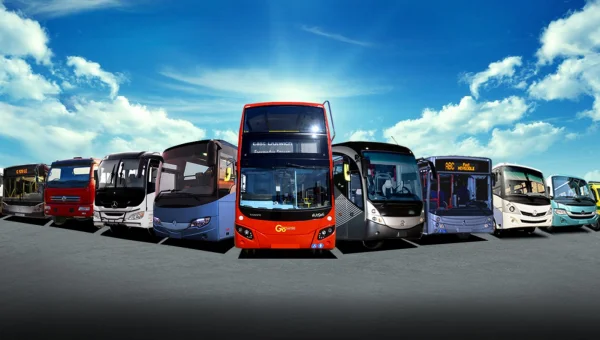
King Long Leads Egypt Bus Sales with 29.6% Share in First 8 Months
King Long led Egypt's bus market with a 29.6% share and 3,581 vehicles in the first eight months of 2026. Toyota came second at 18.6% with 2,251 units, followed by…
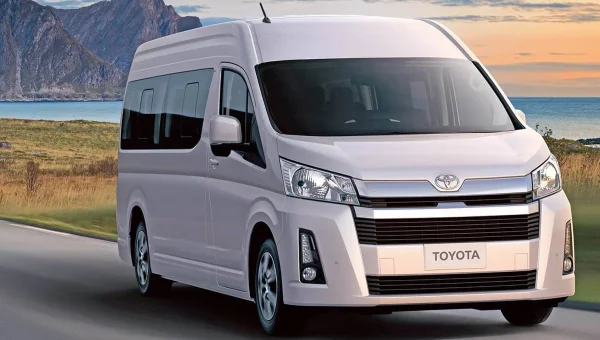
Toyota HiAce Dominates Egypt's Tourist Minibus Sales with 85% Share in 8 Months
Toyota HiAce commanded 85% of Egypt's tourist minibus segment in the first eight months of 2026, selling 1,022 units. Foton CS2 placed second with 134 vehicles and an 11% share,…
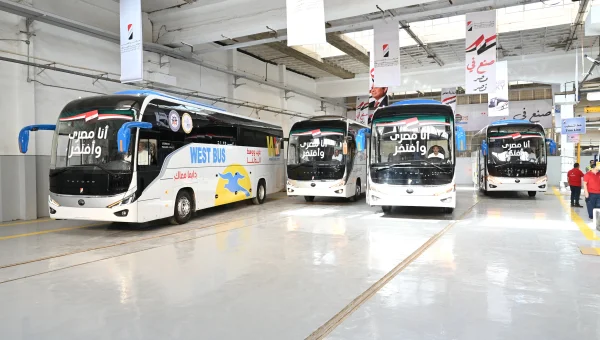
Local Assembly Drives Bus Sales in Egypt Up 78.5% Over 8 Months
Bus sales in Egypt reached 12,101 units in the first eight months of the year, up 78.5% from 6,781 vehicles last year. Locally assembled buses drove the growth, rising 73.5%…