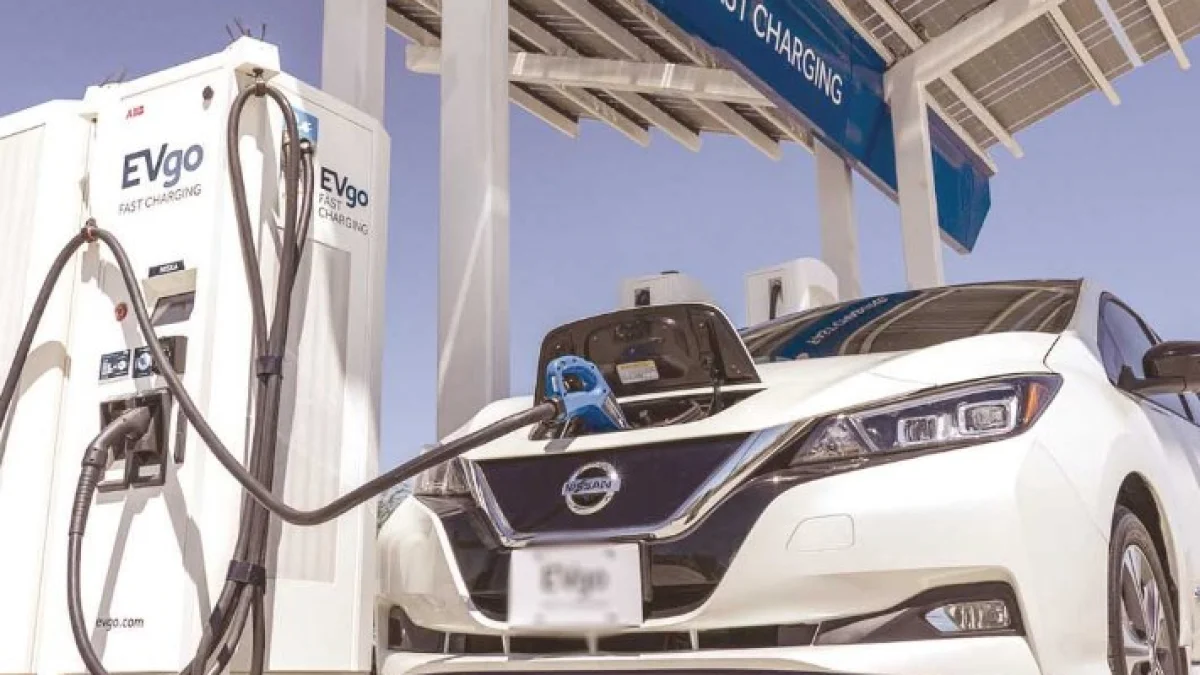
Nigeria Bets on Electric Cars Despite Energy Crisis and Infrastructure Gaps
Nigeria is building an electric vehicle market despite chronic power shortages and weak charging infrastructure. Fuel price hikes following the 2023 subsidy removal made conventional vehicles expensive to operate, potentially pushing the shift forward. However, used car dominance, low purchasing power, and high financing costs remain major barriers to rapid EV adoption.
Nigeria is taking a bold step toward clean mobility, yet the road ahead is full of obstacles. Africa's most populous nation is trying to build a real electric vehicle market while struggling with chronic power shortages and a near-total absence of charging infrastructure, turning the experiment into a tough test of viability in emerging markets.
Why Electric Now?
The most striking number in the equation is fuel prices soaring since petrol subsidies were removed in 2023. That tough economic decision doubled the operating cost of conventional vehicles, making clean energy alternatives far more attractive on paper despite their higher upfront purchase price.
But the picture is far from complete. Nigeria's weak power grid makes relying on it to charge cars feel like a gamble, especially outside major cities. Yet both the government and private sector believe the problem itself may spark investment opportunities in solar generation and battery storage.
Local Market Challenges
The dominance of used cars in the Nigerian market stands as another barrier to new electric models. Imported second-hand cars are far cheaper, purchasing power is limited, and the price tag of a new EV remains beyond most citizens' reach.
Financing costs are also high, and local banks have yet to offer accessible loan packages for electric vehicles. These factors combined slow the transition more than the government plans, but they don't stop it entirely.
The equation is shifting gradually. Public transport fleet operators and major delivery companies are starting to realize that the long-term operating cost of electricity is far lower than petrol, regardless of current grid troubles. That segment may lead the first wave of demand before individual buyers follow.
What This Means for Other Markets
Nigeria's experience isn't isolated. Other African countries are watching closely, as success here could provide a blueprint for transition in similar environments struggling with weak infrastructure. Failure, But would be a harsh lesson about ambitious plans lacking practical foundations.
Charging networks need massive investments, and clean power generation takes time. But fuel subsidy removal changed the game, and African markets are carefully observing whether this bet will pay off or remain just ink on paper.
Frequently Asked Questions
3 questions answered
Related News
View All NewsReport reveals: The turbo engines most prone to failure after 80,000 km
Recent fleet data shows that several turbocharged engines in Egypt begin showing costly failures at just 80,000 kilometers, while others last much longer. The main cause isn't design alone but…

Unqualified Influencers Threaten Egypt's Economy and Corporate Reputation
Dr. Said Hamed, a media professor at Suez University, warned that content from unqualified influencers on social media can damage Egypt's national economy and the reputation of state institutions. He…

Beyond the Headlines: What Really Drives Engagement on Egyptian Auto Sites?
The report examines competition among auto sites in Egypt, noting that superiority depends on understanding local buyer needs for content combining price and running costs. Analyses show over 60% of…

Egypt's One-Billion-Pound Fund Revives Ailing Auto Factories
Egypt's Central Bank and Ministry of Industry have launched a one-billion-pound fund to restructure struggling factories and restore idle production capacity. The fund will take equity stakes, restructure debt, and…
Is Now the Right Time to Buy a New Car in Egypt? 6 Indicators That Decide
New car sales in Egypt rose 29.7% in the first seven months of 2026, reaching 116,869 vehicles, with passenger car sales up 25%. Overprice premiums have declined on several models…