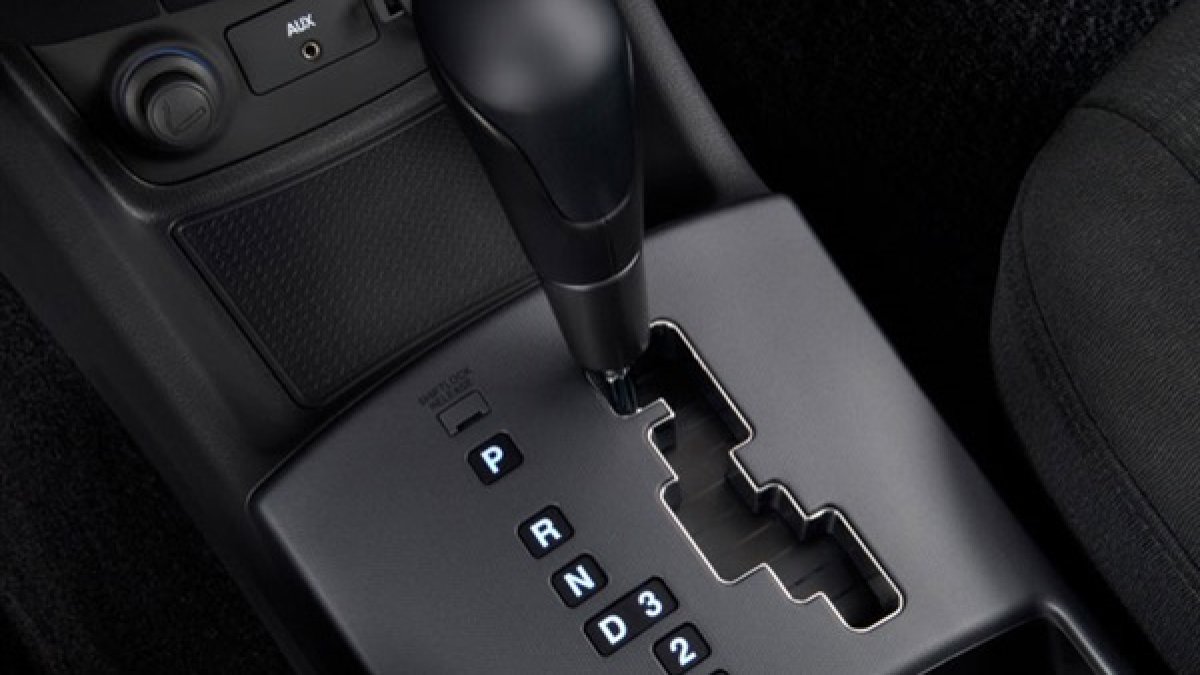
Manual vs Automatic Transmission: Which Lasts 300,000 Kilometers?
Since the introduction of automatic transmissions, drivers have debated one key question: which is more reliable in the long run, manual or automatic? Some believe the manual gearbox is the more durable choice due to its simpler design, while others argue that modern automatic transmissions have become more advanced and dependable than ever before.
In a report published by a specialized outlet, experts attempted to answer this question that weighs heavily on the minds of many buyers when choosing a new or used car.
Why Is the Manual Known as the More Durable Option?
This reputation stems from its mechanical simplicity compared to automatics. A manual transmission relies on fewer components, direct mechanical systems, less electronics, and the absence of complex parts like a torque converter.
For this reason, many experts believe the likelihood of major internal failures is lower compared to some more complicated automatic transmissions. Moreover, manual transmission issues often appear gradually—such as difficulty shifting gears, clutch wear, or unusual noises during gear changes—allowing drivers to detect problems early before they turn into costly repairs.
The Manual Isn't Always Perfect
Despite its solid reputation, the lifespan of a manual transmission heavily depends on the driver. Poor driving habits can lead to rapid clutch wear, internal gear damage, synchronizer failure, or increased stress on transmission components.
Numerous discussions among car owners indicate that some drivers may wear out the clutch within a short period due to their driving style, while others enjoy years of trouble-free operation.
What About Automatics?
In the past, automatic transmissions were more prone to failures due to their mechanical and hydraulic complexity. However, the situation has changed significantly in recent years. Modern automatic transmissions have become more efficient, quicker to respond, better on fuel economy, and more durable when properly maintained.
In fact, some experts believe that many modern automatic transmissions can cover hundreds of thousands of kilometers without major issues—provided the oil is changed and maintenance is carried out according to recommended schedules.
The Real Issue Isn't Automatic vs Manual
The bottom line is that the real problem lies not in the type of transmission itself, but in the quality of maintenance and driving style. A manual can fail quickly if mishandled by the driver, while an automatic can last a long time if it receives regular care. The final choice ultimately comes down to driver preference and their commitment to following recommended maintenance schedules.
Related News
View All News
Beyond the Headlines: What Really Drives Engagement on Egyptian Auto Sites?
The report examines competition among auto sites in Egypt, noting that superiority depends on understanding local buyer needs for content combining price and running costs. Analyses show over 60% of…

Egypt's One-Billion-Pound Fund Revives Ailing Auto Factories
Egypt's Central Bank and Ministry of Industry have launched a one-billion-pound fund to restructure struggling factories and restore idle production capacity. The fund will take equity stakes, restructure debt, and…

Is Now the Right Time to Buy a New Car in Egypt? 6 Indicators That Decide
New car sales in Egypt rose 29.7% in the first seven months of 2026, reaching 116,869 vehicles, with passenger car sales up 25%. Overprice premiums have declined on several models…
Egyptian Car Market 2025: Challenges and Opportunities
Egypt's car market in 2025 faces up to 15% price hikes for Toyota and Nissan, an 8% drop in new car sales, and growing demand for used cars. Electric and…
China Tops Global Auto Industry: From Imitation to Technological Leadership
China's auto industry has shifted from imitation to global leadership, driven by massive investments in electric vehicles and AI. Companies like BYD adopted self-integration in production, cutting costs and boosting…