Manganese Alloys Plant: A New Boost for Egypt's Automotive Industry
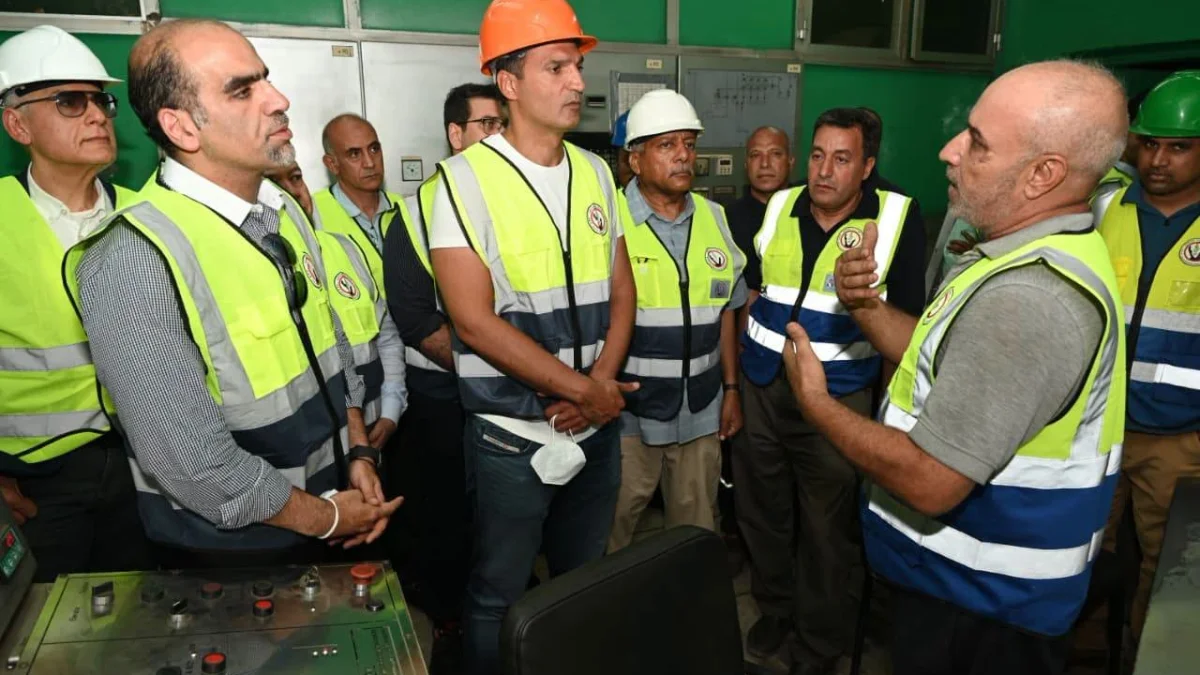
Egypt's Industry Minister visited the Sinai Manganese plant in Abu Zenima, inspecting plans to expand production of silico-manganese and ferro-manganese alloys. Investments stand at EGP 2.5 billion, with current capacity at 18,000 tons per year and a target of 50,000 tons by 2028. These expansions support local feeder industries for Egypt's automotive sector and enhance supply chain resilience.
The Sinal Manganese Company plant is drawing a new blueprint for Egypt's automotive industry. The first visit by Minister of Industry Khaled Hashem to the Abu Zenima industrial zone in South Sinai revealed ambitious plans to lift annual production to 50,000 tons by the end of 2028 — a number that could reshape the local feeder industries landscape.
Manganese Alloys and the Future of Car Making
Steel is the industry's backbone, and alloys are its secret strength. The plant produces two main alloy types — silico-manganese and ferro-manganese — both essential inputs for iron and steel production, giving steel greater hardness and higher corrosion resistance, qualities that are indispensable in car bodies and components.
The engineering sector is watching these expansions closely. Relying on local inputs means trimming import bills and adding more value to mineral ores before exporting them, which boosts the competitiveness of Egyptian products in both domestic and regional car markets.
Plant Figures: From 18,000 to 50,000 Tons
The plant occupies a 23,500 square meter area. Massive investments have reached EGP 2.5 billion, with a capital base exceeding EGP 300 million — a clear reflection of state commitment to supporting automotive feeder industries in a market that's growing rapidly in Egypt.
Expansion plans don't stop at current numbers. The present production capacity stands at 18,000 tons per year, but the company aims to more than double that to 50,000 tons by the end of 2028, a rise that could cover an increasing share of new car demand and the broader local market.
Supporting Local Supply Chains
Industrial integration is the key. The minister's visit isn't merely an inspection tour; it carries a clear message that the state is working to strengthen local supply chains for mining and engineering industries, which ripples positively across sectors — including car manufacturing, which demands a steady supply of high-quality raw materials at competitive prices.
The outlook appears brighter with increased domestic output of these alloys, reducing manufacturers' reliance on imports and fostering a more stable environment for the used car market as well, where production costs help stabilize prices in the secondary market.
Frequently Asked Questions
3 questions answered
Related News
View All News
Beyond the Headlines: What Really Drives Engagement on Egyptian Auto Sites?
The report examines competition among auto sites in Egypt, noting that superiority depends on understanding local buyer needs for content combining price and running costs. Analyses show over 60% of…
Egypt's One-Billion-Pound Fund Revives Ailing Auto Factories
Egypt's Central Bank and Ministry of Industry have launched a one-billion-pound fund to restructure struggling factories and restore idle production capacity. The fund will take equity stakes, restructure debt, and…

Is Now the Right Time to Buy a New Car in Egypt? 6 Indicators That Decide
New car sales in Egypt rose 29.7% in the first seven months of 2026, reaching 116,869 vehicles, with passenger car sales up 25%. Overprice premiums have declined on several models…
Egyptian Car Market 2025: Challenges and Opportunities
Egypt's car market in 2025 faces up to 15% price hikes for Toyota and Nissan, an 8% drop in new car sales, and growing demand for used cars. Electric and…
China Tops Global Auto Industry: From Imitation to Technological Leadership
China's auto industry has shifted from imitation to global leadership, driven by massive investments in electric vehicles and AI. Companies like BYD adopted self-integration in production, cutting costs and boosting…