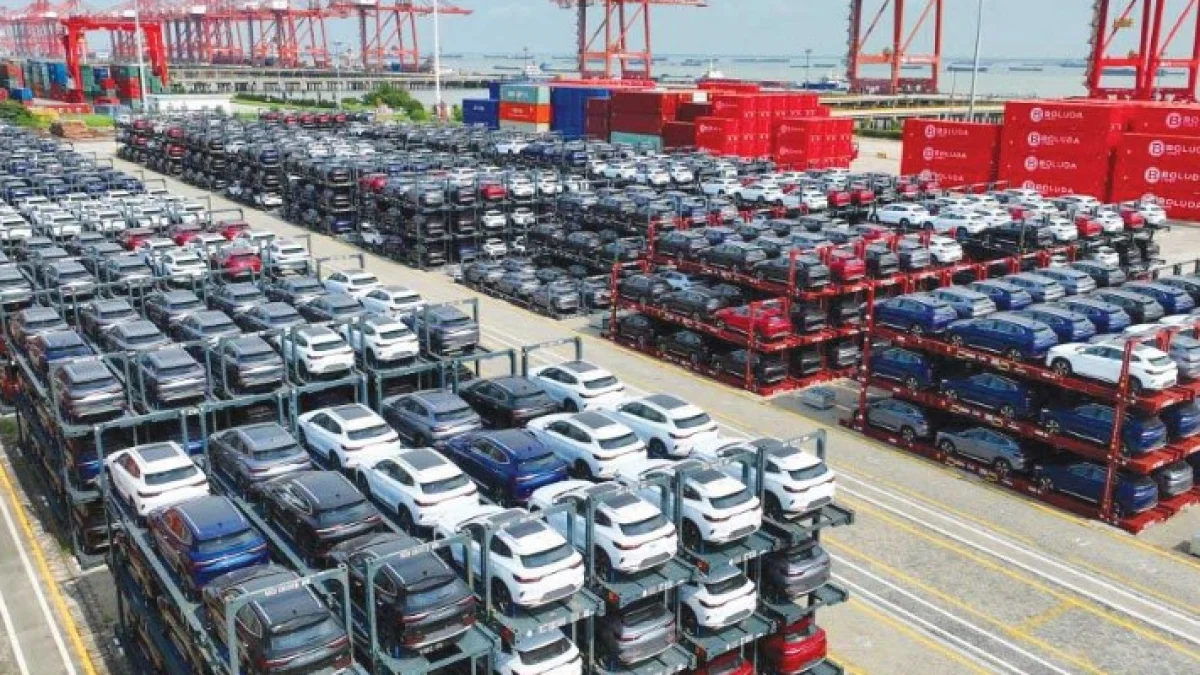
Investment Ministry Meets Car Dealers: Slow 'ACID' Approvals Top the Agenda
Egypt's Investment Ministry held a meeting with car dealers to discuss import barriers, with slow ACID approvals taking center stage. The delays have disrupted vehicle deliveries and led to a market shortage. Dealers called for faster procedures amid rising operating costs.
Officials from Egypt's Investment Ministry held an expanded meeting with car dealers operating in the local market last week, focusing on the import obstacles that hamper their operations. Topping the agenda was the slow approval process for the 'ACID' customs registration number, a recurring complaint that has delayed vehicle deliveries to customers with prior bookings. The ramifications extend further, contributing to a shrinking supply of vehicles across the Egyptian market, a situation that fuels price pressure.
Understanding ACID and Its Critical Role for Car Importers
The ACID certificate is an official document issued by the Finance Ministry, detailing the specifications of imported goods consignments, including vehicles, their quantities, values. The international shipping bill. Any delay in obtaining this certificate directly disrupts the import timeline and the subsequent distribution of new cars. Consequently, the stability of these procedures is vital for maintaining a consistent flow of inventory. That is currently under significant strain.
Dealer Concerns: High Operating Costs and Limited Import Quotas
During the meeting, dealers highlighted that high operating costs, coupled with restricted import quantities, make it nearly impossible to pass on any savings from exchange rate fluctuations to the end consumer. Companies face fixed expenses such as showroom operations, maintenance centers. Payroll, all while sales volumes have dropped to levels that may not cover these costs. This precarious situation threatens business sustainability and could deter future investment in the market.
Informed sources revealed that the government side listened attentively to the various inquiries and proposals raised by the participating dealers. The dealers emphasized that persistent obstacles not only hinder their companies' operations but also undermine trust and relationships with global automotive partners, given Egypt's strategic importance in their regional plans. The challenge is to find a balanced approach that accelerates processes without compromising necessary oversight.
Ripple Effects on the Market and Consumers
The ACID approval backlog impacts not only the dealers but also consumers who face lengthy waits for their reserved vehicles, dampening their enthusiasm and overall purchasing confidence. If the issue persists, prices are likely to face further upward pressure, especially with rising storage and insurance costs for vehicles stuck at ports. the limited supply may push more buyers toward the used car market, creating knock-on effects on used car valuations.
This meeting occurs at a critical time for Egypt's auto sector, characterized by currency volatility and escalating operational expenses. As dealers look for more agile and efficient government procedures, the hope is that this dialogue translates into concrete actions that improve the business climate and maintain market stability. Collaborative efforts between the public and private sectors are essential to overcome these hurdles in such a vital industry.
Frequently Asked Questions
3 questions answered
Related News
View All News
Beyond the Headlines: What Really Drives Engagement on Egyptian Auto Sites?
The report examines competition among auto sites in Egypt, noting that superiority depends on understanding local buyer needs for content combining price and running costs. Analyses show over 60% of…

Egypt's One-Billion-Pound Fund Revives Ailing Auto Factories
Egypt's Central Bank and Ministry of Industry have launched a one-billion-pound fund to restructure struggling factories and restore idle production capacity. The fund will take equity stakes, restructure debt, and…

Is Now the Right Time to Buy a New Car in Egypt? 6 Indicators That Decide
New car sales in Egypt rose 29.7% in the first seven months of 2026, reaching 116,869 vehicles, with passenger car sales up 25%. Overprice premiums have declined on several models…
Egyptian Car Market 2025: Challenges and Opportunities
Egypt's car market in 2025 faces up to 15% price hikes for Toyota and Nissan, an 8% drop in new car sales, and growing demand for used cars. Electric and…
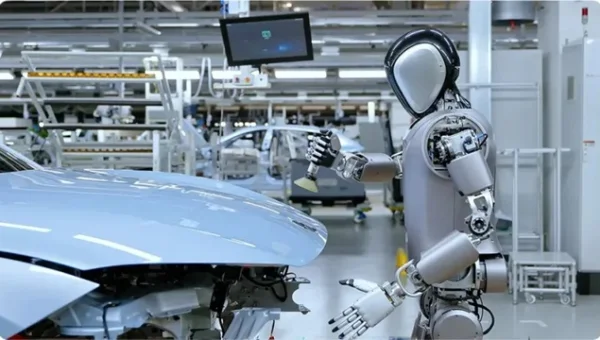
China Tops Global Auto Industry: From Imitation to Technological Leadership
China's auto industry has shifted from imitation to global leadership, driven by massive investments in electric vehicles and AI. Companies like BYD adopted self-integration in production, cutting costs and boosting…