
How Proper Throttle Control Can Reduce Fuel Consumption and Protect Your Engine and Brakes
A vehicle's fuel consumption is influenced by several factors, including engine condition, tire pressure, and road conditions. However, driving style remains one of the most significant contributors to daily fuel usage. Automotive experts emphasize that the way a driver operates the accelerator pedal can noticeably increase fuel consumption without realizing it, particularly when aggressive acceleration becomes a regular habit. Smooth throttle application is considered one of the most effective ways to improve fuel efficiency while maintaining overall vehicle performance.
Aggressive Acceleration Increases Fuel Consumption
According to automotive experts, sudden and forceful pressure on the accelerator pedal causes more fuel to be delivered to the engine, resulting in higher fuel consumption. This effect becomes even more noticeable in congested urban traffic where frequent stopping and starting are common. Experts recommend applying the accelerator gradually and smoothly when moving off instead of launching quickly. While rapid acceleration offers little advantage in everyday driving, it consumes more fuel and places additional stress on the engine.
Consistent Driving Improves Efficiency
Maintaining a steady speed whenever possible is another key recommendation for improving fuel economy. Experts advise avoiding repeated increases and decreases in speed, especially on highways, because a consistent pace allows the engine to operate more efficiently and reduces fuel consumption. Another common mistake is continuing to press the accelerator until the last moment before braking hard. Instead, drivers should gradually lift their foot off the accelerator when approaching traffic signals or congested areas, helping reduce fuel usage while also preserving the braking system.
Driving Habits That Help Save Fuel
Experts also recommend avoiding unnecessarily high engine revolutions for extended periods and limiting high-speed driving within cities, as every unnecessary increase in speed results in higher fuel consumption. For vehicles equipped with manual transmissions, shifting gears at the appropriate time contributes to improved fuel efficiency. In automatic transmission vehicles, smooth driving and avoiding sudden throttle inputs help prevent the transmission from repeatedly downshifting, which can increase fuel consumption.
Steady Speed Benefits Multiple Vehicle Components
Using cruise control on open roads can also help lower fuel consumption when traffic conditions are stable and the road is suitable, as it maintains a consistent speed and minimizes irregular acceleration. Experts stress that calm driving does not mean driving excessively slowly. Instead, it involves anticipating road conditions and responding early to traffic signals, speed bumps, and congestion, reducing the need for repeated acceleration and braking. Although accelerator pedal technique may seem like a minor detail, it can make a significant difference in fuel costs while helping preserve the engine, brakes, and tires for a longer period.
Related News
View All News
Passenger Cars Drive Egyptian Market Growth in 2026.. Nissan Leads
Passenger car sales in Egypt rose 22% in the first eight months of 2026 to 101,492 units. Nissan led the market with 16,616 vehicles, followed by MG and Chery. Changan…

Local Assembly Drives Truck Sales in Egypt Up 22.7% in 8 Months
Truck sales in Egypt rose 22.7% in the first eight months of 2026 to 21,852 units. Locally assembled trucks grew 16.1% to 18,719 vehicles, while imported trucks surged 85.4% to…
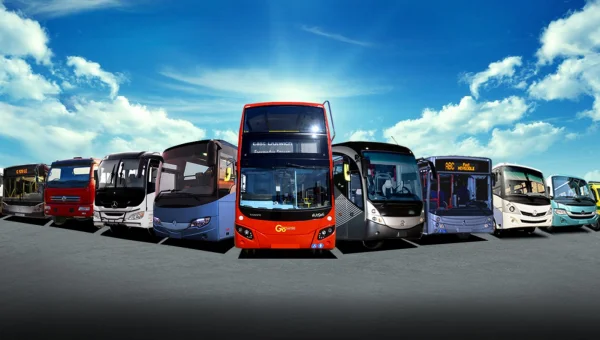
King Long Leads Egypt Bus Sales with 29.6% Share in First 8 Months
King Long led Egypt's bus market with a 29.6% share and 3,581 vehicles in the first eight months of 2026. Toyota came second at 18.6% with 2,251 units, followed by…

Toyota HiAce Dominates Egypt's Tourist Minibus Sales with 85% Share in 8 Months
Toyota HiAce commanded 85% of Egypt's tourist minibus segment in the first eight months of 2026, selling 1,022 units. Foton CS2 placed second with 134 vehicles and an 11% share,…
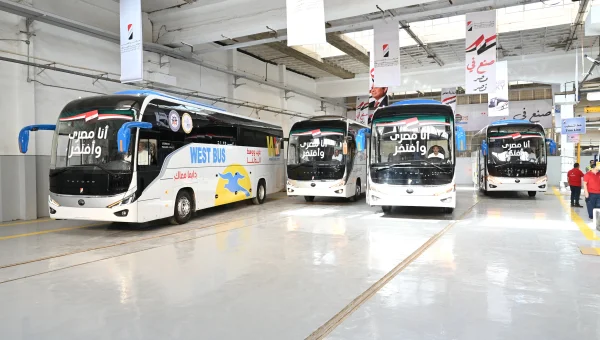
Local Assembly Drives Bus Sales in Egypt Up 78.5% Over 8 Months
Bus sales in Egypt reached 12,101 units in the first eight months of the year, up 78.5% from 6,781 vehicles last year. Locally assembled buses drove the growth, rising 73.5%…