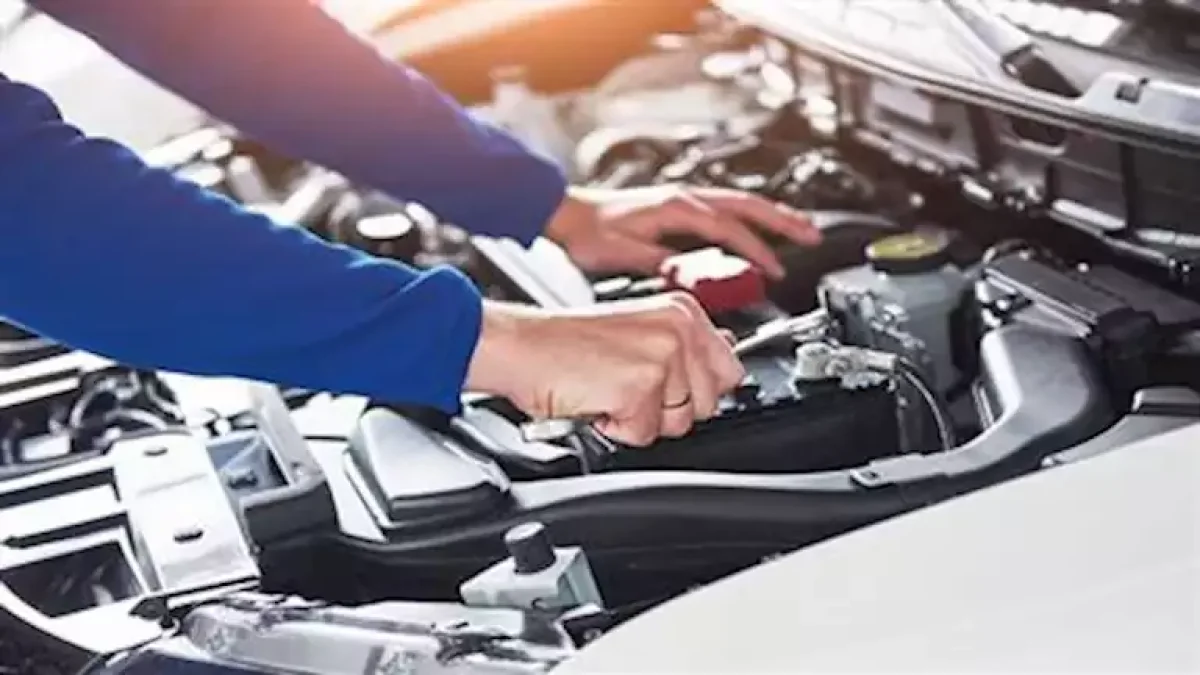
5 Golden Tips to Avoid Breakdowns and Extend Your Car's Lifespan
With the continuous rise in car prices, spare parts costs, and maintenance expenses in recent times, keeping your vehicle in top condition has become a necessity rather than a luxury. Simple daily habits can significantly extend the lifespan of your car and help you avoid costly repairs that could set you back thousands of pounds.
Importance of Regular Maintenance and Mindful Driving
Automotive experts emphasize that many common breakdowns do not occur suddenly; instead, they result from neglecting regular maintenance, ignoring warning signs, or adopting poor driving habits. Following a set of basic recommendations helps maintain vehicle efficiency, reduce fuel consumption, and lower long-term repair costs. Below are the most important expert tips to keep your car running smoothly for years.
Never Delay Oil Changes
Sticking to the recommended schedule for changing the engine oil and filter preserves engine efficiency, reduces wear and tear, and extends the life of internal components. Neglecting this simple procedure can lead to sludge buildup and engine overheating, resulting in expensive breakdowns that require major technical interventions.
Check Tire Pressure Regularly
Improper tire air pressure increases fuel consumption, negatively affects vehicle stability on the road, and accelerates uneven tire wear. It is advisable to check tire pressure at least once a week, especially before long trips, to ensure safety and optimal vehicle performance.
Don't Ignore Warning Lights
Any warning light appearing on the dashboard—whether related to the engine, brakes, or airbag system—can indicate a problem that requires immediate inspection by a qualified technician. Delaying a response to these warnings can multiply repair costs and may compromise passenger safety.
Avoid Sudden Acceleration and Hard Braking
Smooth and steady driving reduces stress on the engine, transmission, and brakes while also significantly lowering fuel consumption. Sudden acceleration and harsh braking accelerate wear on mechanical components, leading to more frequent visits to the repair shop.
Additional Preventive Maintenance Advice
Beyond the tips above, it is recommended to perform a comprehensive vehicle inspection every 10,000 kilometers or as per the manufacturer's guidelines. This includes checking various fluid levels, such as coolant and brake fluid, as well as inspecting the battery, belts, and hoses. Adhering to these simple procedures ensures reliable performance and protects owners from unpleasant surprises on the road.
Related News
View All News
King Long Leads Egypt Bus Sales with 29.6% Share in First 8 Months
King Long led Egypt's bus market with a 29.6% share and 3,581 vehicles in the first eight months of 2026. Toyota came second at 18.6% with 2,251 units, followed by…
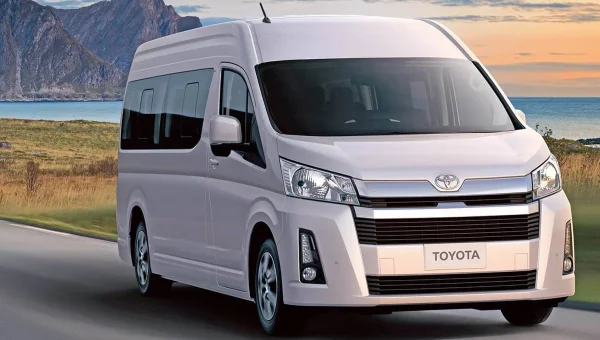
Toyota HiAce Dominates Egypt's Tourist Minibus Sales with 85% Share in 8 Months
Toyota HiAce commanded 85% of Egypt's tourist minibus segment in the first eight months of 2026, selling 1,022 units. Foton CS2 placed second with 134 vehicles and an 11% share,…
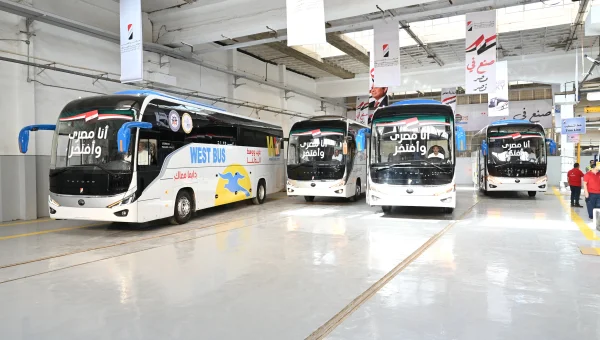
Local Assembly Drives Bus Sales in Egypt Up 78.5% Over 8 Months
Bus sales in Egypt reached 12,101 units in the first eight months of the year, up 78.5% from 6,781 vehicles last year. Locally assembled buses drove the growth, rising 73.5%…

Chery Dominates Egypt's Locally Assembled Car Sales in August with 34% Share
Chery led Egypt's locally assembled car sales in August with a 34% market share and 1,470 vehicles. Nissan came second at 20% with 872 cars, followed by Hyundai at 14%…

Chery Leads Egypt's August Car Market with 17% Share and 3,168 Units
Chery topped Egypt's best-selling automotive brand list in August with a 17% market share and 3,168 vehicles sold. Chevrolet came second with 13% and 2,468 cars, while Chery followed in…