Fuel Pricing Committee Returns: How Prices Are Calculated and What's Next?
As the first meeting of the automatic fuel pricing committee approaches during the first quarter of the new fiscal year, following Prime Minister Mostafa Madbouly's announcement to resume its sessions, all eyes are on the anticipated decision regarding fuel prices. This move comes amid a notable decline in global oil prices and improvements in several economic indicators, raising questions about the fate of prices in the Egyptian market.
Experts Divided on Global Oil Price Impact
Although experts agree that global markets are witnessing a decline in crude oil prices, they differ on how much this drop will reflect on the local market. While some analysts believe current conditions support a limited reduction in fuel prices, others argue that pricing costs are not solely dependent on Brent crude, but also on refined petroleum product prices, production costs, and import expenses. These factors make the committee's decision more complex than simply linking it to global oil prices, requiring a thorough examination of the entire economic equation.
Abdullah Ghorab: A Complex Economic Equation Beyond Brent
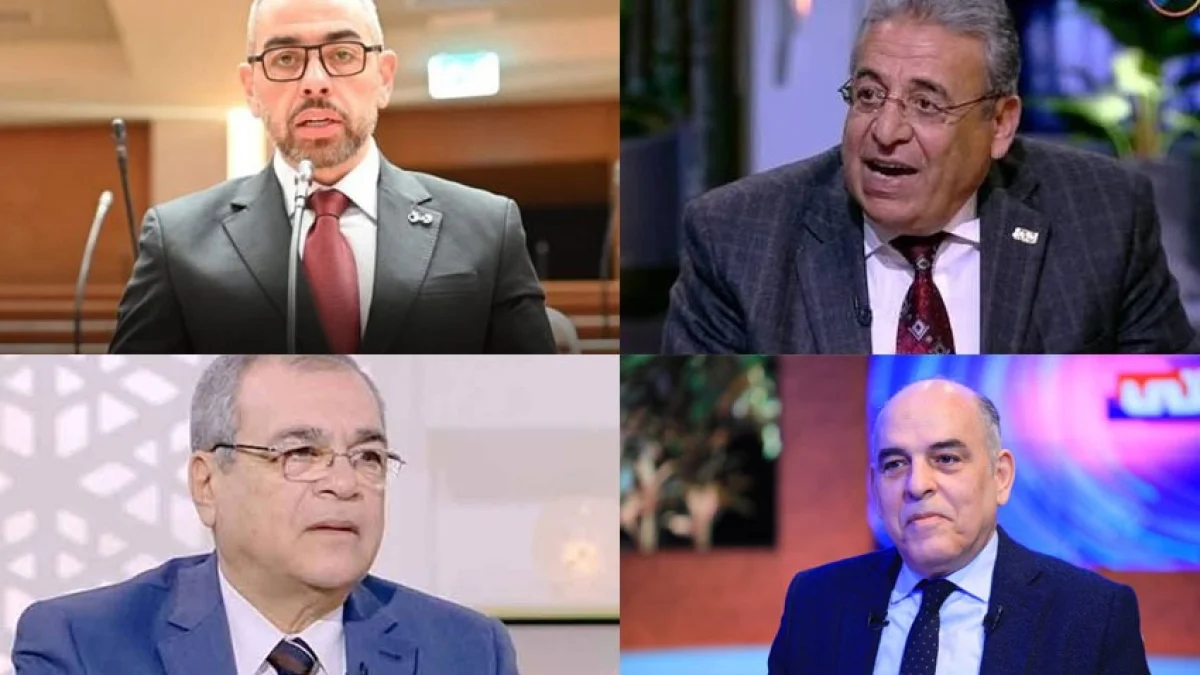
Former Minister of Petroleum, Engineer Abdullah Ghorab, stated that the return of the automatic pricing committee represents a return to the natural mechanism for reviewing prices based on actual costs. He emphasized that the government aims to balance easing the burden on citizens while maintaining sustainable spending on essential services. Ghorab explained that the state does not seek to raise fuel prices for their own sake, but rather deals with a complex economic equation, noting that fuel subsidies previously placed a heavy burden on the public budget, consuming resources that could have been directed to more critical sectors such as education, health, and public utilities.
The former minister stressed that no government enjoys raising prices, but sometimes it is forced to make economic decisions dictated by circumstances and financial obligations. He clarified that the pricing committee calculates the actual cost of petroleum products every three months and then submits its findings to the government, which makes the final decision on the level of subsidy the budget can bear. Ghorab pointed out that the recent fuel price increases occurred under exceptional circumstances, as the general budget was built on estimates of oil at around $75 per barrel, necessitating measures to maintain financial balance without affecting spending on basic services.
Local Production Ratio and Its Pricing Impact
Ghorab further explained that Egypt produces on average about 65% of its petroleum product needs, while importing the remaining 35%. He emphasized that local production does not mean the market is immune to global fluctuations, as import costs are directly affected by global refined product prices, in addition to shipping and insurance expenses. This reality makes the pricing process a precise task that requires balancing multiple variables, highlighting the committee's crucial role in determining fair prices that protect consumers while ensuring the sustainability of the country's energy sector.
Related News
View All News
Passenger Cars Drive Egyptian Market Growth in 2026.. Nissan Leads
Passenger car sales in Egypt rose 22% in the first eight months of 2026 to 101,492 units. Nissan led the market with 16,616 vehicles, followed by MG and Chery. Changan…

Local Assembly Drives Truck Sales in Egypt Up 22.7% in 8 Months
Truck sales in Egypt rose 22.7% in the first eight months of 2026 to 21,852 units. Locally assembled trucks grew 16.1% to 18,719 vehicles, while imported trucks surged 85.4% to…
King Long Leads Egypt Bus Sales with 29.6% Share in First 8 Months
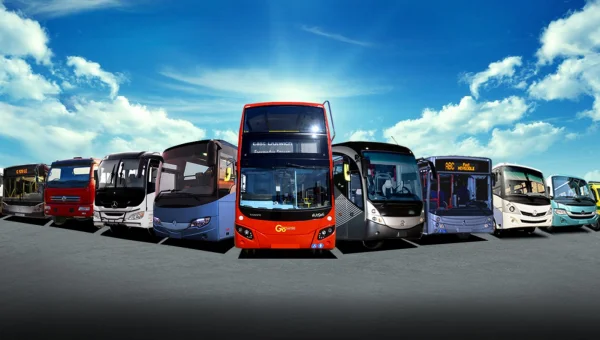
King Long led Egypt's bus market with a 29.6% share and 3,581 vehicles in the first eight months of 2026. Toyota came second at 18.6% with 2,251 units, followed by…

Toyota HiAce Dominates Egypt's Tourist Minibus Sales with 85% Share in 8 Months
Toyota HiAce commanded 85% of Egypt's tourist minibus segment in the first eight months of 2026, selling 1,022 units. Foton CS2 placed second with 134 vehicles and an 11% share,…
Local Assembly Drives Bus Sales in Egypt Up 78.5% Over 8 Months
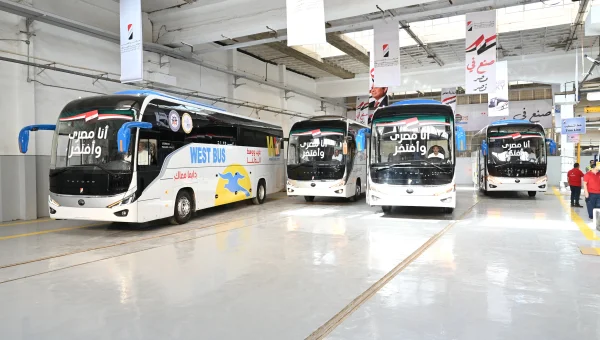
Bus sales in Egypt reached 12,101 units in the first eight months of the year, up 78.5% from 6,781 vehicles last year. Locally assembled buses drove the growth, rising 73.5%…