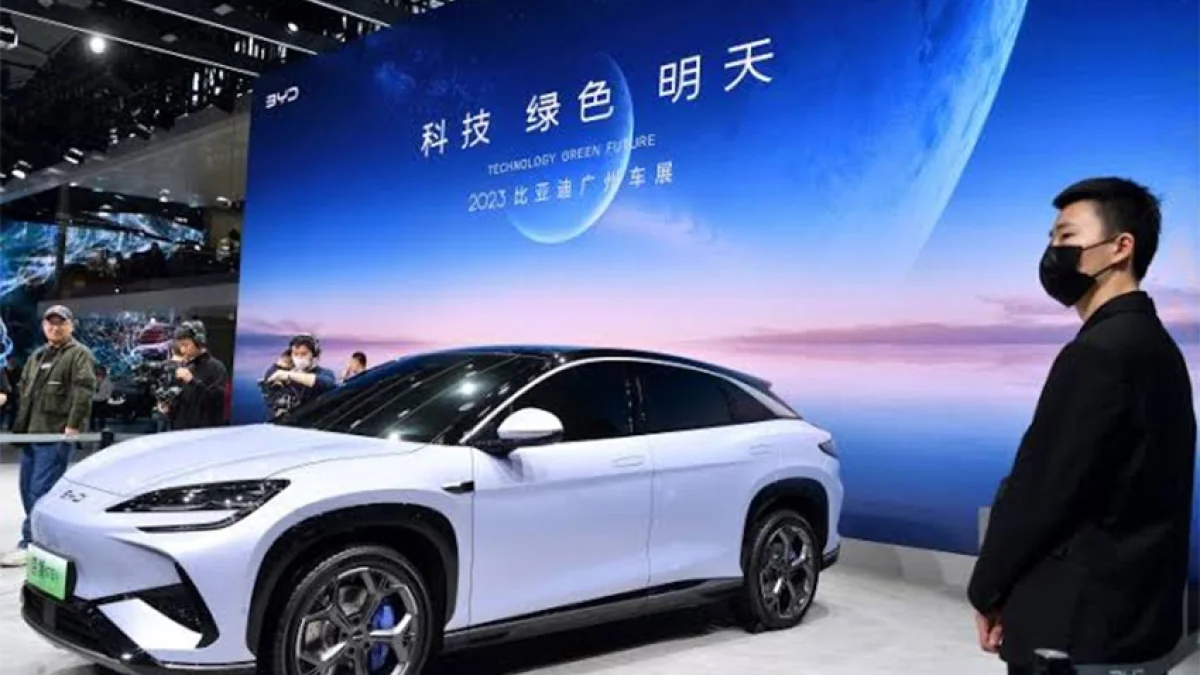
End of First Half 2026 Reshapes Competition in the Egyptian Car Market
As the first half of 2026 comes to an end, the competitive landscape of the Egyptian car market has become clearer than ever. The market has entered a new phase led by Chinese brands, while Korean, Japanese, European, and American manufacturers are fighting fiercely to maintain their positions in the face of the expanding Chinese influence.
The Egyptian Consumer Between Value, Price, and After-Sales Service
Car market experts revealed that the value-for-money equation has become a decisive factor in shaping Egyptian consumer choices. Price alone is no longer the primary driver of purchasing decisions; factors such as after-sales services, spare parts availability, and technological features are now reshaping the balance of power within the market fundamentally.
Chinese Expansion Transforms Customer Perception
The Chinese advance continues strongly in the Egyptian market during the first half of 2026, relying on a comprehensive strategy that goes beyond low prices. Chinese brands have expanded across various price segments, from economy cars to mid-range and even higher-priced models. These brands now compete fiercely with advanced technological features, modern safety systems, contemporary designs, and extended warranties. The significant expansion of service centers and spare parts distribution networks has contributed to a major shift in the perception of Chinese cars, boosting consumer confidence, which is clearly reflected in the growing demand. For instance, Chery offers a diverse range of models catering to different needs, while Geely continues to strengthen its presence with competitive vehicles. MG also provides options that blend technology and modern design.
Korean, Japanese, European, and American Brands Face the Chinese Challenge
As Chinese brands expand, Korean manufacturers are struggling to hold their ground, especially in the mid-range segments that have long been their stronghold. Korean cars still possess key strengths, including reliability, a balance between price and features, a strong service network, and a solid reputation built over many years among Egyptian consumers. Hyundai and Kia maintain a loyal customer base thanks to these factors.
Japanese cars retain their traditional standing, backed by a long history of reliability, durability, and low failure rates. They also enjoy high resale value, which gives Japanese brands a stable customer base even as competition intensifies. Toyota and Honda continue to offer models that reflect this strong reputation in the market.
European and American cars face increasing pressure on pricing and features, but they rely on brand prestige and design strength to attract a specific segment of consumers. Mercedes and BMW maintain a strong presence in the premium segments, while Ford faces greater challenges in preserving its market share.
Experts expect the coming period to witness even more competition, with Chinese brands continuing their expansion while traditional manufacturers seek to strengthen their strategies with additional services, warranties, and competitive pricing. The Egyptian consumer remains the biggest beneficiary of this battle, enjoying more diverse options at better prices.
Related News
View All News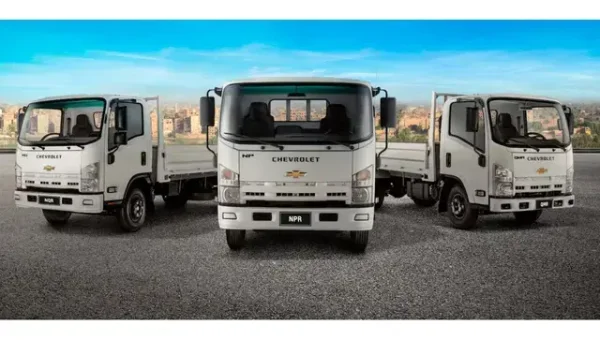
Local Assembly Drives Truck Sales in Egypt Up 22.7% in 8 Months
Truck sales in Egypt rose 22.7% in the first eight months of 2026 to 21,852 units. Locally assembled trucks grew 16.1% to 18,719 vehicles, while imported trucks surged 85.4% to…
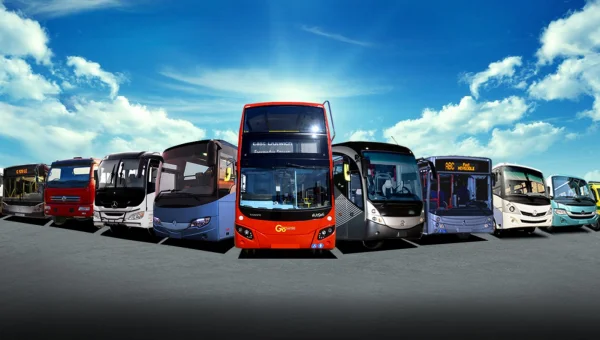
King Long Leads Egypt Bus Sales with 29.6% Share in First 8 Months
King Long led Egypt's bus market with a 29.6% share and 3,581 vehicles in the first eight months of 2026. Toyota came second at 18.6% with 2,251 units, followed by…
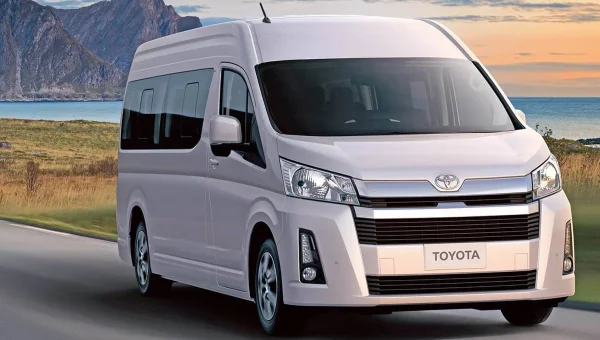
Toyota HiAce Dominates Egypt's Tourist Minibus Sales with 85% Share in 8 Months
Toyota HiAce commanded 85% of Egypt's tourist minibus segment in the first eight months of 2026, selling 1,022 units. Foton CS2 placed second with 134 vehicles and an 11% share,…
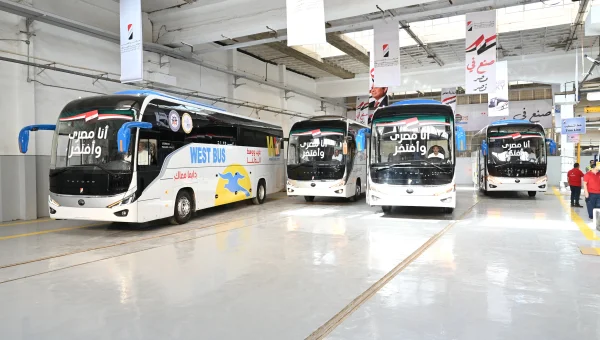
Local Assembly Drives Bus Sales in Egypt Up 78.5% Over 8 Months
Bus sales in Egypt reached 12,101 units in the first eight months of the year, up 78.5% from 6,781 vehicles last year. Locally assembled buses drove the growth, rising 73.5%…
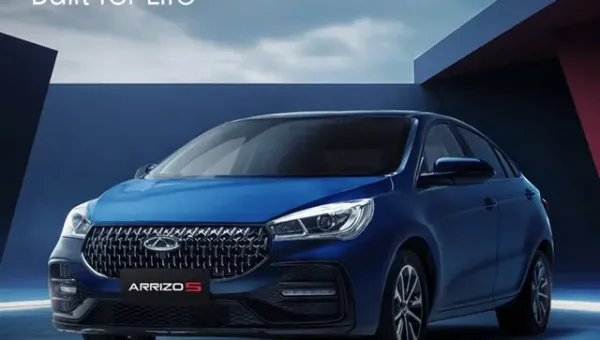
Chery Dominates Egypt's Locally Assembled Car Sales in August with 34% Share
Chery led Egypt's locally assembled car sales in August with a 34% market share and 1,470 vehicles. Nissan came second at 20% with 872 cars, followed by Hyundai at 14%…