

Egypt Unveils Tax and Customs Incentives to Attract Indian Auto Investments
Egypt's Finance Minister Ahmed Kojak confirmed that the state is intensifying efforts to create a more attractive and competitive investment environment. The goal is clear: draw in more foreign capital, support economic development plans. Generate new job opportunities. That requires a comprehensive package of tax and customs incentives targeting private sector growth, entrepreneurship. Expansion of productive activities.
Meeting on the BRICS Sidelines
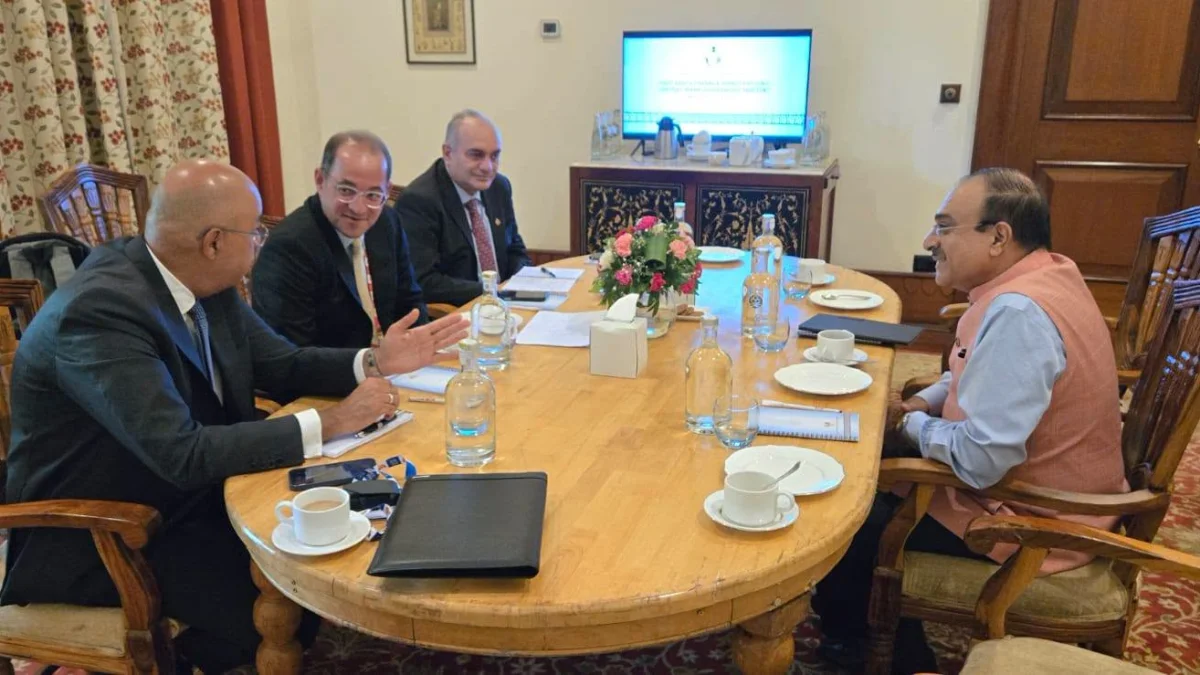
The minister's statements came during his meeting with S. Ganesh Kumar, Managing Director of India's TCI Sanmar, on the sidelines of the BRICS meetings in India. The talks covered opportunities to boost Indian investments in the Egyptian market, particularly in sectors tied to automobile manufacturing and its feeder industries. TCI Sanmar stands out as one of the largest producers of chemical materials, including PVC. That goes into making numerous parts and components used in modern cars. That strengthens the case for leveraging Egypt's growing auto sector and its expanding base of supporting industries.
Simplifying Procedures and Boosting Local Manufacturing
Kojak stated that the government is moving forward with simplifying and digitizing investment-related procedures. Working to remove obstacles that investors might face. The numbers tell the story: improving the business climate and accelerating economic activity requires a more suitable environment for industrial expansion. The finance minister also extended a direct invitation to Indian companies to increase their investments in the Egyptian market, tapping into the promising opportunities the economy offers. He emphasized the importance of strengthening investment cooperation between the two countries, especially in high-value-added industrial fields.
This invitation carries particular weight for the automotive sector, given Egypt's push toward deepening local manufacturing and broadening the base of feeder industries. That supports growth in domestic production and enhances the sector's ability to integrate into regional and global supply chains. The government's moves reflect a growing trend toward attracting qualitative industrial investments — not just assembly operations, but also the manufacturing of components and materials used in vehicles. That approach boosts local value addition and strengthens the competitiveness of Egyptian industry. With a focus on raw materials like PVC, Egypt appears to be building a comprehensive industrial base to serve the auto sector both locally and regionally.
Related News
View All NewsReport reveals: The turbo engines most prone to failure after 80,000 km
Recent fleet data shows that several turbocharged engines in Egypt begin showing costly failures at just 80,000 kilometers, while others last much longer. The main cause isn't design alone but…

Unqualified Influencers Threaten Egypt's Economy and Corporate Reputation
Dr. Said Hamed, a media professor at Suez University, warned that content from unqualified influencers on social media can damage Egypt's national economy and the reputation of state institutions. He…

Beyond the Headlines: What Really Drives Engagement on Egyptian Auto Sites?
The report examines competition among auto sites in Egypt, noting that superiority depends on understanding local buyer needs for content combining price and running costs. Analyses show over 60% of…

Egypt's One-Billion-Pound Fund Revives Ailing Auto Factories
Egypt's Central Bank and Ministry of Industry have launched a one-billion-pound fund to restructure struggling factories and restore idle production capacity. The fund will take equity stakes, restructure debt, and…

Is Now the Right Time to Buy a New Car in Egypt? 6 Indicators That Decide
New car sales in Egypt rose 29.7% in the first seven months of 2026, reaching 116,869 vehicles, with passenger car sales up 25%. Overprice premiums have declined on several models…

