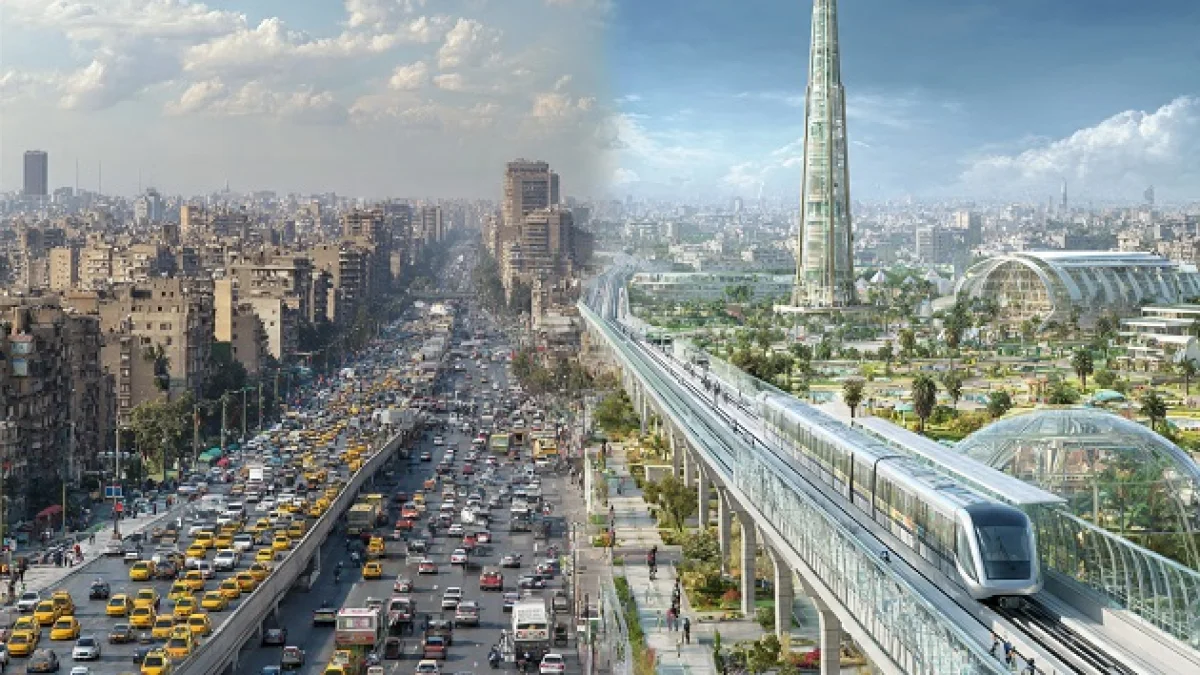
Egypt's Smart Transport Network Post-June 30: From 50 Billion EGP Losses to an Unprecedented Development Leap
Egypt's transport sector has undergone a radical transformation since the June 30 revolution, moving from a traffic congestion crisis that cost the economy around 50 billion EGP annually to a modern, advanced, and environmentally friendly transport system. This shift goes beyond infrastructure improvements, encompassing massive national projects aimed at easing citizen mobility, reducing travel times, and connecting new cities with smart transport networks that support sustainable development and enhance quality of life.
Pre-June 30 Challenges and Massive Losses
The media center of the Egyptian Cabinet, as part of its infographic series titled "June 30: A National Journey from Challenges to Sustainable Development Paths," highlighted the key achievements in the transport sector. The center revealed that before June 30, the sector faced major challenges, most notably that traffic congestion in Cairo cost approximately 50 billion EGP annually, according to World Bank estimates. This was accompanied by millions of hours wasted in commuting, declining productivity, higher fuel consumption and transport costs, as well as increased emissions and environmental pollution.
An Integrated Vision for Developing Public Transport
After the June 30 revolution, the state adopted an integrated vision to develop a modern and sustainable transport system, based on implementing major national projects aimed at improving the efficiency of public transport and reducing traffic bottlenecks. The first and second phases of the light rail transit (LRT) project "Salam - 10th of Ramadan - New Administrative Capital" were completed in July 2022, spanning 70 kilometers and including 12 stations. Additionally, the Cathedral of the Nativity and Strategic Command stations of the third phase were inaugurated, covering 20.4 kilometers and featuring four stations, thereby enhancing connectivity between new and old cities.
The Monorail Project and Adly Mansour Interchange Station
The transport system witnessed another achievement with the completion of the East Nile monorail project, stretching 56.5 kilometers and comprising 22 stations. It became fully operational from Cairo Stadium Station in Nasr City to the City of Justice Station in the New Administrative Capital, boosting modern public transport and serving urban expansion. Among the most notable projects is the opening of the Adly Mansour Central Station, one of the largest interchange stations in the region, offering connections between six different transport modes including the light rail transit, the third line of the Cairo Metro, and the Adly Mansour/Suez railway line, providing citizens with a seamless and integrated travel experience.
Related News
View All News
Passenger Cars Drive Egyptian Market Growth in 2026.. Nissan Leads
Passenger car sales in Egypt rose 22% in the first eight months of 2026 to 101,492 units. Nissan led the market with 16,616 vehicles, followed by MG and Chery. Changan…
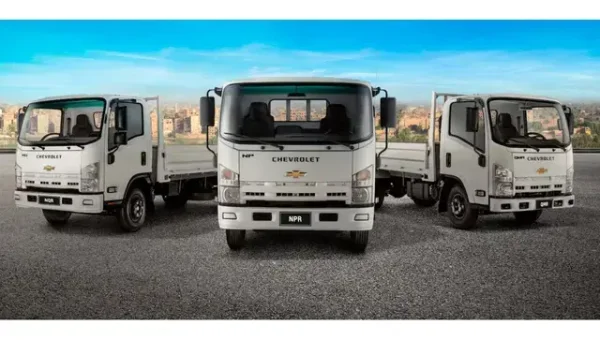
Local Assembly Drives Truck Sales in Egypt Up 22.7% in 8 Months
Truck sales in Egypt rose 22.7% in the first eight months of 2026 to 21,852 units. Locally assembled trucks grew 16.1% to 18,719 vehicles, while imported trucks surged 85.4% to…
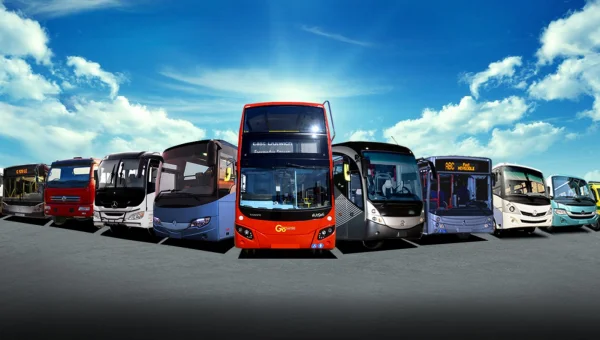
King Long Leads Egypt Bus Sales with 29.6% Share in First 8 Months
King Long led Egypt's bus market with a 29.6% share and 3,581 vehicles in the first eight months of 2026. Toyota came second at 18.6% with 2,251 units, followed by…
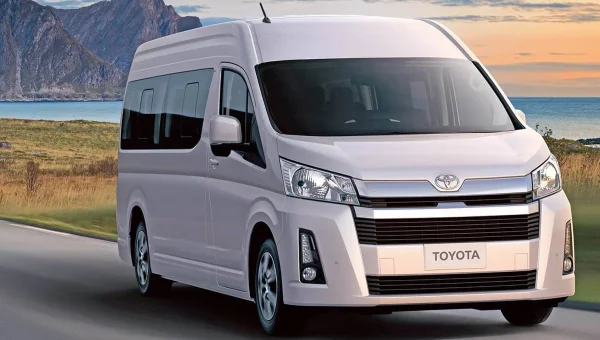
Toyota HiAce Dominates Egypt's Tourist Minibus Sales with 85% Share in 8 Months
Toyota HiAce commanded 85% of Egypt's tourist minibus segment in the first eight months of 2026, selling 1,022 units. Foton CS2 placed second with 134 vehicles and an 11% share,…
Local Assembly Drives Bus Sales in Egypt Up 78.5% Over 8 Months
Bus sales in Egypt reached 12,101 units in the first eight months of the year, up 78.5% from 6,781 vehicles last year. Locally assembled buses drove the growth, rising 73.5%…