New Refractories Plant in Egypt to Cut Imports and Boost Automotive Competitiveness
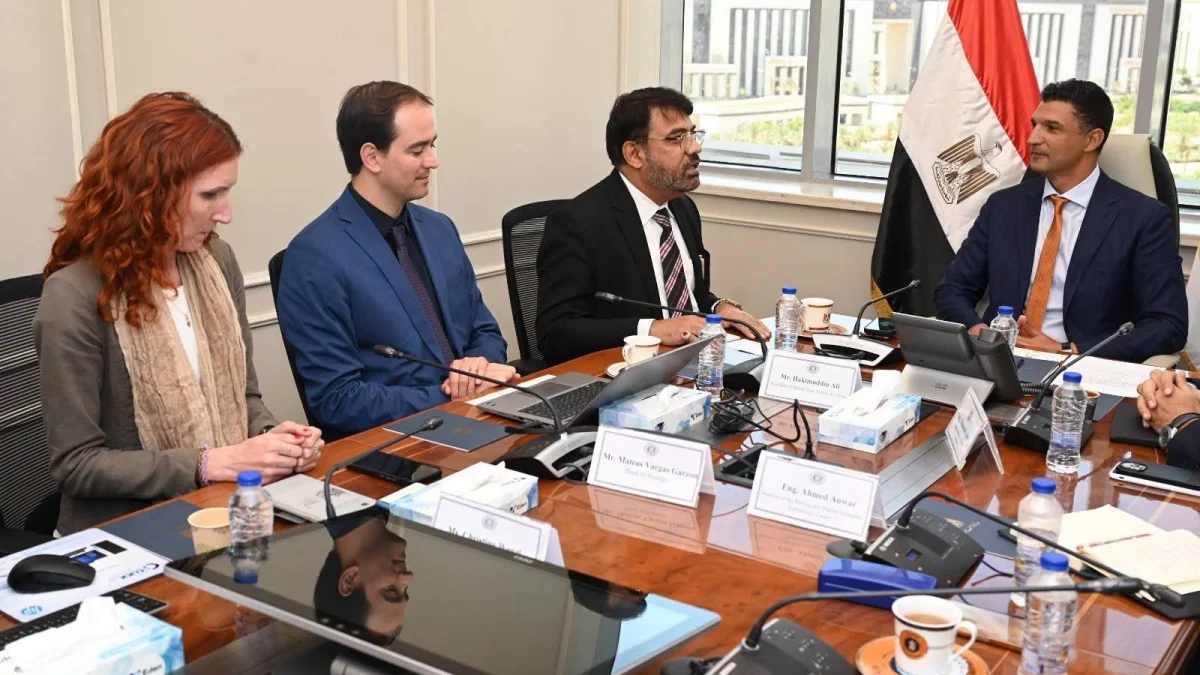
Egypt is positioning itself to attract another global investment that could reshape local manufacturing. RHI Magnesita, the international refractory maker, is studying the establishment of its first integrated production plant in the Egyptian market, a move that would strengthen local supply chains for the metal and engineering industries that the automotive sector relies on. The company's regional president for the Middle East, Turkey and Africa presented the project's roadmap during a meeting with Industry Minister Khaled Hashem.
Investment Plans and Strategic Alignment
The meeting covered the company's global operations and its recent expansions through acquisitions in Asia, with clear signals about Egypt's appeal. Officials including Mohamed Zada, assistant minister for strategic industries, attended the discussions which focused on implementation opportunities and the company's investment plans. The minister emphasized that the project aligns with Egypt's 2030 industrial strategy. That prioritizes localization of complementary industries and the transfer of modern technology.
Refractories are strategic industrial components used in furnaces and production lines for iron, steel, aluminum, copper and glass. These sectors form the base for producing various automotive parts, from metal structures to different engineering components. Localizing this industry directly supports increasing the local content ratio in the automotive sector, a long-standing goal for the Egyptian government. The availability of high-purity raw materials and Egypt's strategic location were cited as decisive factors in the company's interest.
Export Hub Ambitions and Market Impact
The proposed plant won't only cater to domestic demand. The vision extends to making Egypt a regional hub for manufacturing and exporting refractories to Middle East and African markets. This would bolster heavy and engineering industries while supporting the state's broader plans to expand local manufacturing, including أوبل operations in the country.
Industry watchers see this as a step toward reducing import dependency for high-value industrial sectors. The company's regional leadership confirmed that Egypt offers one of the most promising market opportunities in the region, thanks to its natural resources and growing industrial base. With the ongoing global shifts in supply chains, this investment could position Egypt as a key player in the regional automotive ecosystem. The next phase will involve detailed feasibility studies and regulatory approvals.
Related News
View All News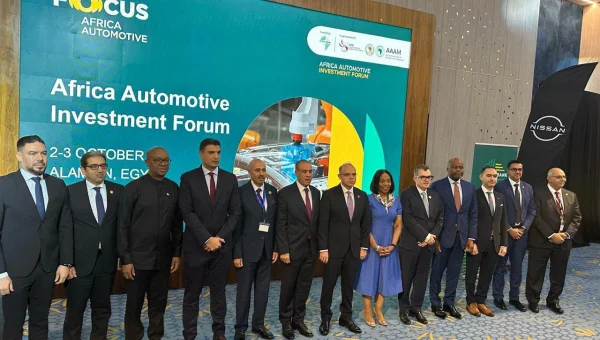
From Assembly to Export: Egypt Redraws Africa's Automotive Map
The Alamein-Africa Business Forum 2026 concluded with a clear message: Egypt's automotive sector is transitioning from assembly to full manufacturing and export. The Ministry of Industry's strategy under Engineer Khaled…
Report reveals: The turbo engines most prone to failure after 80,000 km
Recent fleet data shows that several turbocharged engines in Egypt begin showing costly failures at just 80,000 kilometers, while others last much longer. The main cause isn't design alone but…

Unqualified Influencers Threaten Egypt's Economy and Corporate Reputation
Dr. Said Hamed, a media professor at Suez University, warned that content from unqualified influencers on social media can damage Egypt's national economy and the reputation of state institutions. He…

Beyond the Headlines: What Really Drives Engagement on Egyptian Auto Sites?
The report examines competition among auto sites in Egypt, noting that superiority depends on understanding local buyer needs for content combining price and running costs. Analyses show over 60% of…
Egypt's One-Billion-Pound Fund Revives Ailing Auto Factories
Egypt's Central Bank and Ministry of Industry have launched a one-billion-pound fund to restructure struggling factories and restore idle production capacity. The fund will take equity stakes, restructure debt, and…