Egypt's Industry Ministry Identifies 5 Challenges Behind Car Price Hikes and a Swift Action Plan
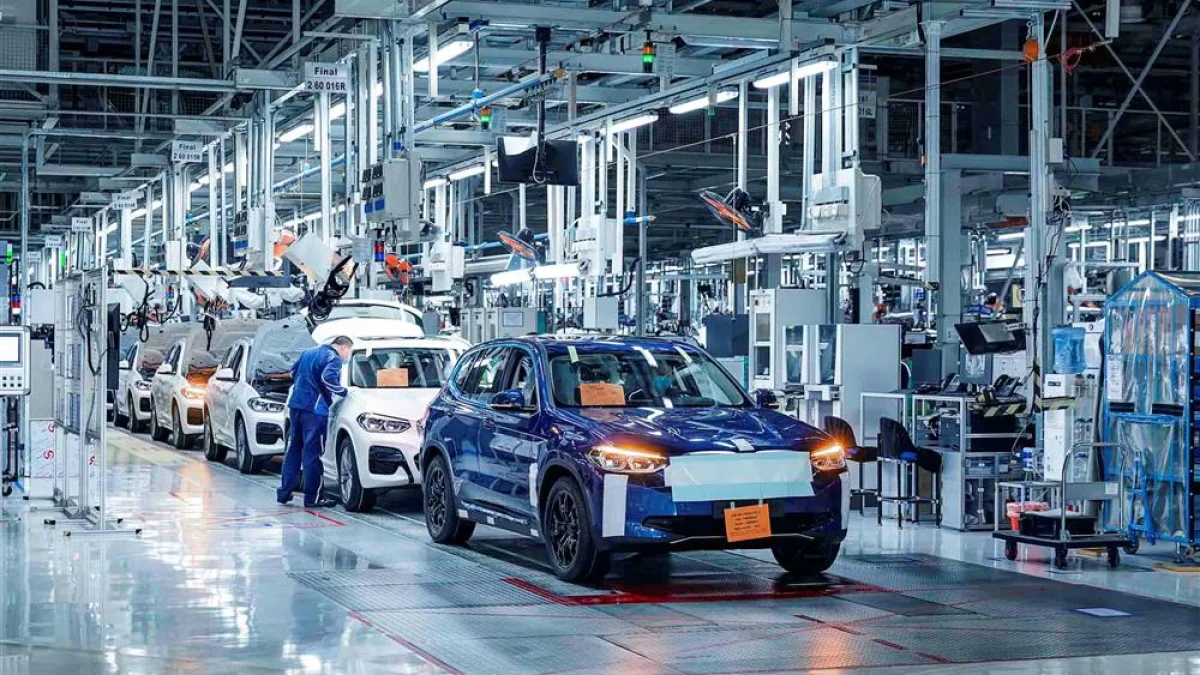
Five core issues are driving up the cost of automotive feeding industries in Egypt. Engineer Alaa Salah El-Din, head of the Automotive Industry Unit at the Ministry of Industry and supervisor of the national program for developing the automotive industry and deepening local component manufacturing, revealed these challenges during an interview on the 'Arabety' program broadcast on Egypt Radio. He stressed that addressing this file represents one of the most critical keys to reducing a car's final price in the local market.
Extensive Meetings with Manufacturers
The ministry didn't just observe the problem. Intensive meetings were held with the Feeding Industries Division at the Federation of Egyptian Industries, with manufacturers present alongside representatives from the Supreme Council for Automobiles and the Ministry of Finance. The aim was to examine the reasons behind rising production costs in detail. These gatherings brought together every party in the supply chain, from raw material suppliers to final assembly lines.
The number is surprising. The five challenges have been precisely identified, with the increase in raw material prices topping the list as the backbone of the feeding industry. The relevant team is currently developing practical solutions to overcome these obstacles, with a clear focus on incentivizing companies to boost local production rather than relying on imports.
Direct Impact on Final Prices
The final cost of a car in Egypt is heavily influenced by the prices of feeding industry products, which explains the government's intense focus on this file right now. Developing these industries isn't just a support measure for manufacturers; it also boosts the local component ratio and enhances the competitiveness of locally produced cars in regional and global markets.
The current landscape points to tangible movement on reducing component costs in the coming period. Egypt's automotive sector is eagerly awaiting the outcomes of these meetings, especially with officials confirming that incentivizing companies to increase production is a top priority within the national program. Plenty of promises are on the table; execution is what the market ultimately cares about.
Related News
View All News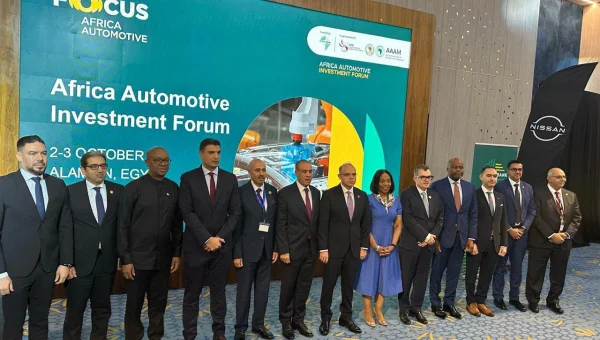
From Assembly to Export: Egypt Redraws Africa's Automotive Map
The Alamein-Africa Business Forum 2026 concluded with a clear message: Egypt's automotive sector is transitioning from assembly to full manufacturing and export. The Ministry of Industry's strategy under Engineer Khaled…
Report reveals: The turbo engines most prone to failure after 80,000 km
Recent fleet data shows that several turbocharged engines in Egypt begin showing costly failures at just 80,000 kilometers, while others last much longer. The main cause isn't design alone but…

Unqualified Influencers Threaten Egypt's Economy and Corporate Reputation
Dr. Said Hamed, a media professor at Suez University, warned that content from unqualified influencers on social media can damage Egypt's national economy and the reputation of state institutions. He…

Beyond the Headlines: What Really Drives Engagement on Egyptian Auto Sites?
The report examines competition among auto sites in Egypt, noting that superiority depends on understanding local buyer needs for content combining price and running costs. Analyses show over 60% of…

Egypt's One-Billion-Pound Fund Revives Ailing Auto Factories
Egypt's Central Bank and Ministry of Industry have launched a one-billion-pound fund to restructure struggling factories and restore idle production capacity. The fund will take equity stakes, restructure debt, and…