

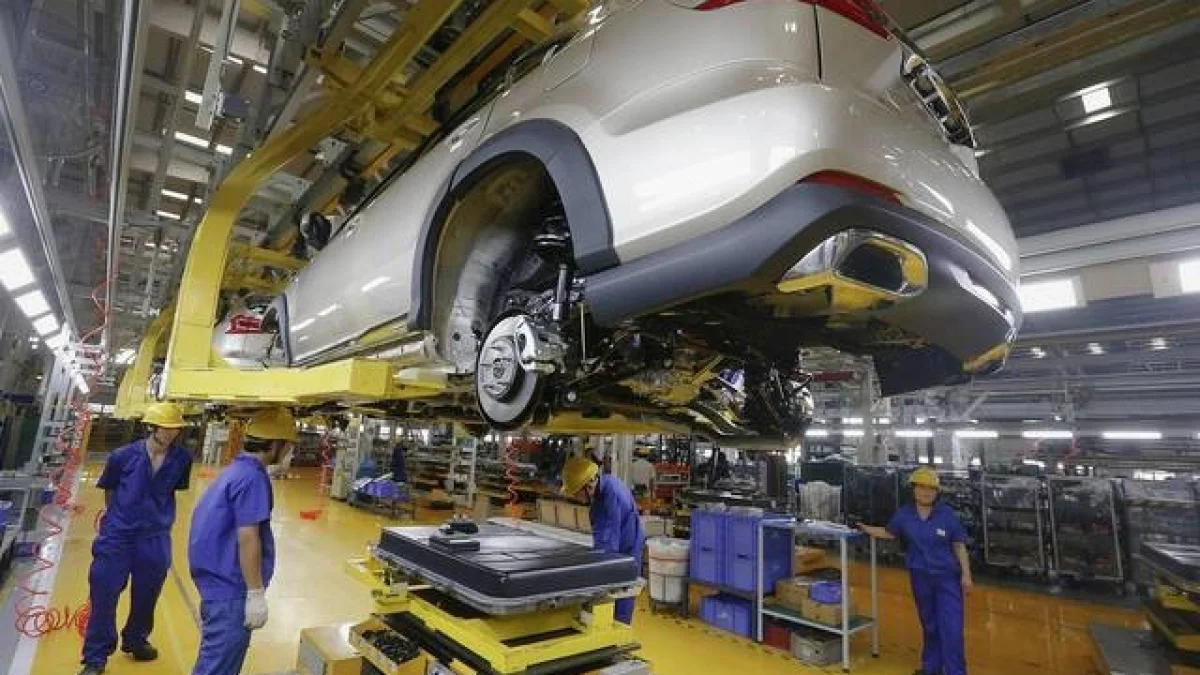
Egypt Targets 40% Local Auto Manufacturing Content by 2030 in New Deep Localization Plan
Egypt announced a plan to raise the local content ratio in its automotive industry from 20% to 40% by 2030. The goal is to deepen domestic manufacturing and reduce reliance on imports by expanding the base of feeder industries. This strategy is linked to enhancing economic security and attracting new investments in the automotive supply chain within Egypt.
Egypt's government has unveiled an ambitious strategy to more than double the local content ratio in its automotive industry from roughly 20% today to 40% by 2030. Mohamed Sami, Assistant Minister of Industry for Strategic Affairs, announced the target during a televised interview. The plan marks a fundamental shift.
From 20% to 40%: A Calculated Leap in Local Manufacturing
The new policy focuses on transforming Egypt from a mere assembly hub into a genuine manufacturing base. This move is expected to open doors for increased domestic production of components and attract more companies into the supply chains of car factories operating in the country.
Increasing the local component is one of the core pillars of the vehicle localization strategy, as it deepens manufacturing and reduces reliance on imported parts, according to Sami. He clarified that the auto industry isn't just about final vehicle assembly; it relies on a vast network of feeder industries and supply chains. Consequently, raising local manufacturing content has a direct impact on numerous sectors linked to the automotive business.
Cars as a Gateway to Expanding Local Industry
Policymakers view the automotive sector as an integrated system and a locomotive for growth across several other industries, given its strong ties to many ancillary sectors. Raising the local content ratio means greater demand for domestically produced parts, which supports the expansion of existing plants and encourages fresh investment in various used cars and new vehicle components.
This step comes within a broader framework to establish local industry and boost domestic value added. New investments in the auto sector will no longer be limited to setting up assembly lines; they will gradually extend to producing a larger share of the parts used in manufacturing processes.
Localization and Economic Security
Sami connected the industrialization plans to the concept of economic security, stressing that localizing production is a fundamental goal, especially for industries with extensive supply chains and a direct impact on the economy's momentum. The 40% target by 2030 signals a clear transition from merely counting locally assembled cars to actually deepening the manufacturing process itself, thereby increasing the value retained within the Egyptian economy. The coming years will show how quickly local suppliers can scale up to meet these targets and reshape the new cars landscape.
Frequently Asked Questions
3 questions answered
Related News
View All News
Passenger Cars Drive Egyptian Market Growth in 2026.. Nissan Leads
Passenger car sales in Egypt rose 22% in the first eight months of 2026 to 101,492 units. Nissan led the market with 16,616 vehicles, followed by MG and Chery. Changan…
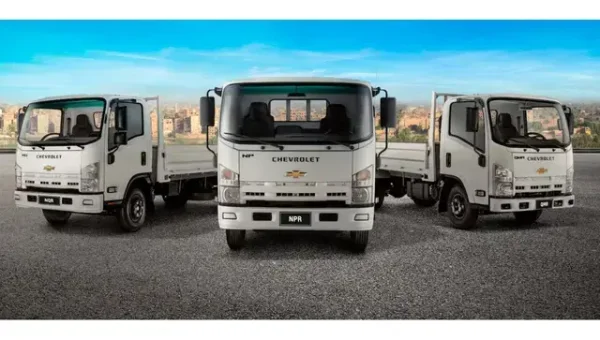
Local Assembly Drives Truck Sales in Egypt Up 22.7% in 8 Months
Truck sales in Egypt rose 22.7% in the first eight months of 2026 to 21,852 units. Locally assembled trucks grew 16.1% to 18,719 vehicles, while imported trucks surged 85.4% to…
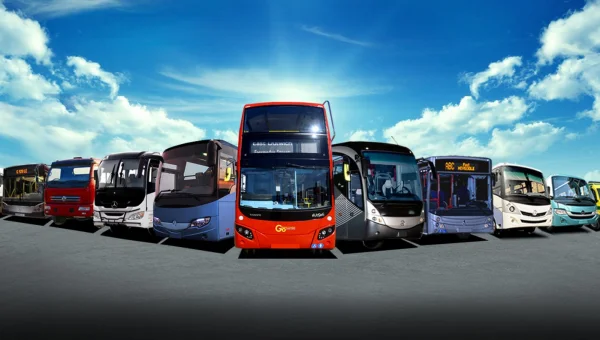
King Long Leads Egypt Bus Sales with 29.6% Share in First 8 Months
King Long led Egypt's bus market with a 29.6% share and 3,581 vehicles in the first eight months of 2026. Toyota came second at 18.6% with 2,251 units, followed by…
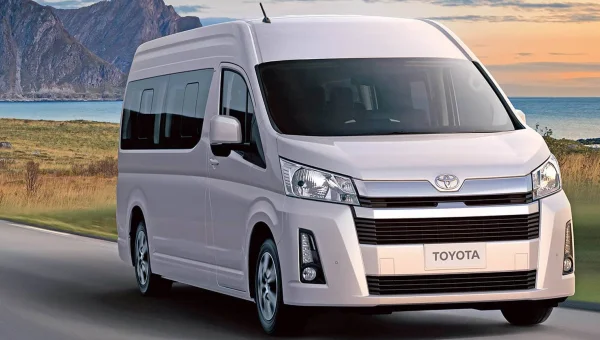
Toyota HiAce Dominates Egypt's Tourist Minibus Sales with 85% Share in 8 Months
Toyota HiAce commanded 85% of Egypt's tourist minibus segment in the first eight months of 2026, selling 1,022 units. Foton CS2 placed second with 134 vehicles and an 11% share,…
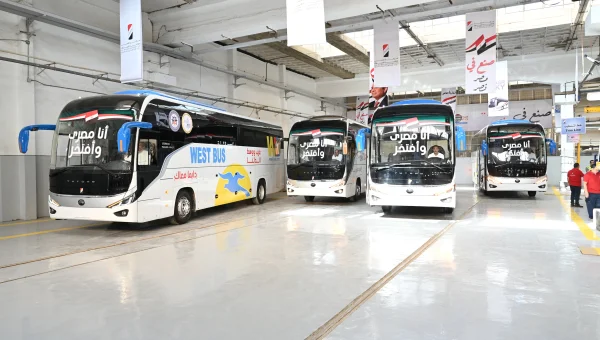
Local Assembly Drives Bus Sales in Egypt Up 78.5% Over 8 Months
Bus sales in Egypt reached 12,101 units in the first eight months of the year, up 78.5% from 6,781 vehicles last year. Locally assembled buses drove the growth, rising 73.5%…

