

Egypt's Auto Industry: The Growth Engine Reshaping the Economy
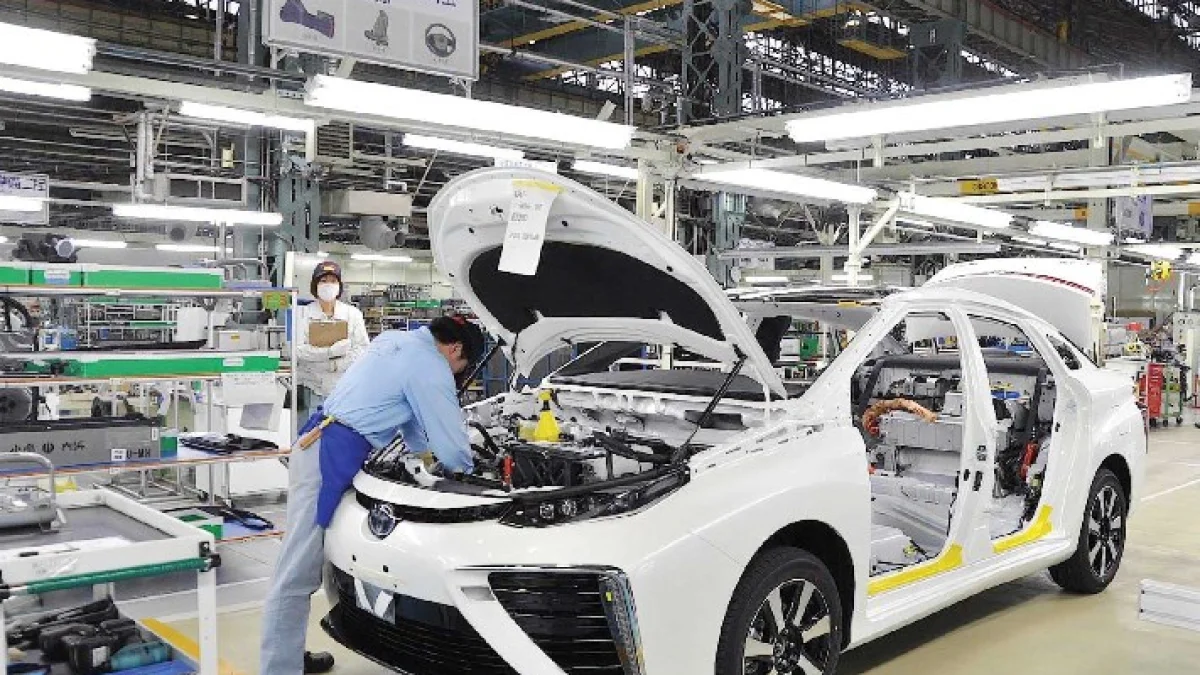
Egypt's Deputy Assistant Minister of Industry for Strategic Affairs has confirmed that car manufacturing is a top priority in the ministry's new strategy. The industry is viewed as a complete ecosystem spanning iron and aluminum production to software and electronics. He stressed that industrial localization strengthens economic security by reducing imports before moving to exports. The strategy builds on previous experiences and identifies key sectors for development.
Egypt's Deputy Assistant Minister of Industry for Strategic Affairs, Engineer Mohamed Sami, has confirmed that vehicle manufacturing tops the ministry's priority list. A new strategy is being drafted based on previous experiences and lessons learned, with new cars at the very heart of the plan. This isn't merely about assembly lines — it's a complete industrial ecosystem.
An Industrial Chain from Steel to Sophisticated Software
Investment in car manufacturing doesn't stop at the metal body shell. The ministry views this industry as an interconnected network that stretches into iron, aluminum, rubber. Glass production, extending all the way to cutting-edge software and electronics. This holistic approach signals a fundamental shift in how Egypt handles this sensitive dossier, recognizing that a thriving automotive sector can drag entire industries forward into sustainable growth.
The benefits aren't confined to factories alone. Every locally produced component translates into new job opportunities and stronger supply chains. Modern vehicles rely on complex electronics and advanced software systems, making this industry the perfect gateway for transferring technology into the broader Egyptian market.
Industrial Localization: From Economic Security to an Export Leap
The state's primary goal is clear: full industrial localization. The Deputy Assistant Minister emphasized that this direction isn't merely about boosting the local economy — it's fundamentally an issue of economic security. A nation with a powerful industrial base can reduce its imports, meet the needs of its citizens. Build strategic independence in critical sectors.
Exporting is the natural next step after securing the home front. Every successful industrial story worldwide began by conquering its domestic market first. Egypt's market is massive by nature. The coming years are expected to witness a significant jump in the percentage of locally manufactured components in domestically assembled cars.
The message is now reaching both local and foreign investors: the opportunity exists today. The legislative infrastructure is moving toward facilitation, not complexity. The government is betting on Egypt becoming a regional hub for automotive manufacturing — and the preliminary steps already taken suggest this industrial ambition is far from fantasy.
Frequently Asked Questions
3 questions answered
Related News
View All News
Passenger Cars Drive Egyptian Market Growth in 2026.. Nissan Leads
Passenger car sales in Egypt rose 22% in the first eight months of 2026 to 101,492 units. Nissan led the market with 16,616 vehicles, followed by MG and Chery. Changan…
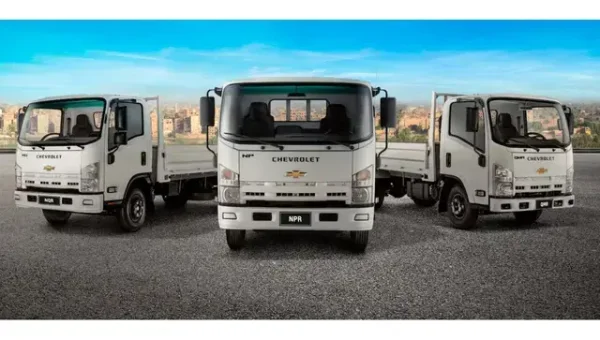
Local Assembly Drives Truck Sales in Egypt Up 22.7% in 8 Months
Truck sales in Egypt rose 22.7% in the first eight months of 2026 to 21,852 units. Locally assembled trucks grew 16.1% to 18,719 vehicles, while imported trucks surged 85.4% to…
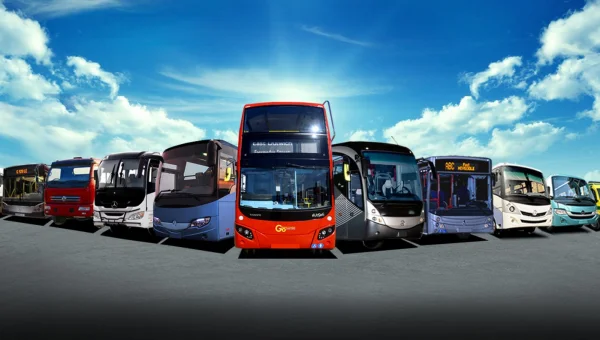
King Long Leads Egypt Bus Sales with 29.6% Share in First 8 Months
King Long led Egypt's bus market with a 29.6% share and 3,581 vehicles in the first eight months of 2026. Toyota came second at 18.6% with 2,251 units, followed by…
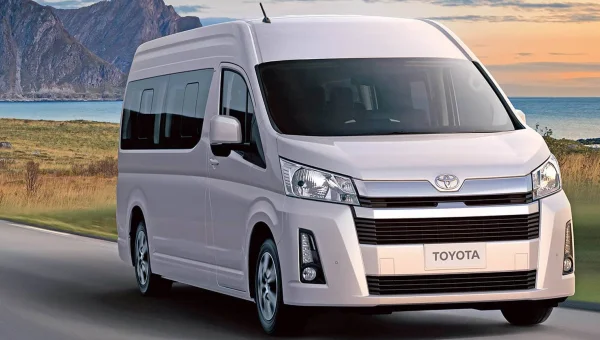
Toyota HiAce Dominates Egypt's Tourist Minibus Sales with 85% Share in 8 Months
Toyota HiAce commanded 85% of Egypt's tourist minibus segment in the first eight months of 2026, selling 1,022 units. Foton CS2 placed second with 134 vehicles and an 11% share,…
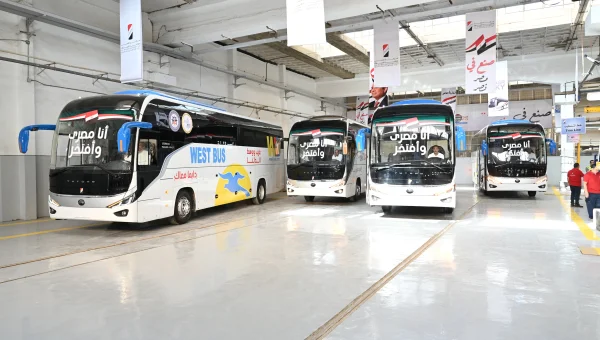
Local Assembly Drives Bus Sales in Egypt Up 78.5% Over 8 Months
Bus sales in Egypt reached 12,101 units in the first eight months of the year, up 78.5% from 6,781 vehicles last year. Locally assembled buses drove the growth, rising 73.5%…

