The Growing Influence of Content Creators on Egypt's Auto Market
Egypt's automotive market is witnessing a state of anticipation and concern as 2027 approaches, with anxiety spreading among market players across all segments amid vehicle inventory buildup. However, what draws even more attention is the increasingly pivotal role played by social media content creators, who have become central figures in shaping consumer opinions and driving purchase decisions in the automotive sector.
The Rise of Paid Promotions and Their Market Impact
Companies and distributors are increasingly turning to influencers to promote specific car models, resulting in a flood of videos and reviews focusing on particular vehicles. These campaigns sometimes turn into pressure tools, as dealers and brands fear harsh criticism or smear campaigns from influencers' followers if they fail to meet financial demands. The situation has created a complex dynamic where market players feel compelled to comply, even when they recognize that a significant portion of these influencer audiences may not be genuine and could include purchased followers.
The Complex Relationship Between Dealers and Content Creators
Many market participants admit they yield to content creators' demands out of fear of damaging their products' reputation and facing backlash from follower armies. This occurs despite their awareness that much of the audience may not be authentic. Nevertheless, concerns persist that any stray remark could be enough to harm their business. The financial arrangements vary widely, from simple posts to full video reviews of driving experiences, with compensation determined by follower count and influence level.
Types of Paid Content and Promotion Methods
Collaborations between companies and content creators range from standard posts to comprehensive driving experience videos. Financial agreements vary based on audience size and impact level, with both parties investing in these relationships that often result in excessive praise for vehicles being promoted. Ultimately, the deceived customer bears the real cost of these non-neutral recommendations, trusting influencers who may not provide genuinely objective reviews.
Calls for Tax Accountability and Transparency
This situation raises legitimate questions about the need to hold content creators tax-accountable for the money they receive from companies, just like any other commercial activity in the media and advertising sector. Repeated calls are directed to relevant authorities, particularly the Ministry of Finance, to regulate this relationship and ensure transparency while protecting consumers from misleading practices in Egypt's automotive market. The time has come for clear regulations that balance the interests of all parties and safeguard consumer confidence.
Related News
View All News
Passenger Cars Drive Egyptian Market Growth in 2026.. Nissan Leads
Passenger car sales in Egypt rose 22% in the first eight months of 2026 to 101,492 units. Nissan led the market with 16,616 vehicles, followed by MG and Chery. Changan…
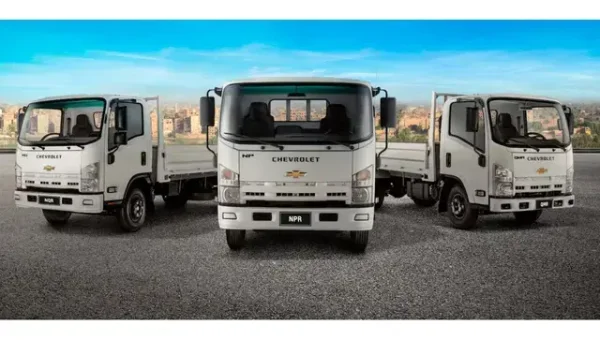
Local Assembly Drives Truck Sales in Egypt Up 22.7% in 8 Months
Truck sales in Egypt rose 22.7% in the first eight months of 2026 to 21,852 units. Locally assembled trucks grew 16.1% to 18,719 vehicles, while imported trucks surged 85.4% to…
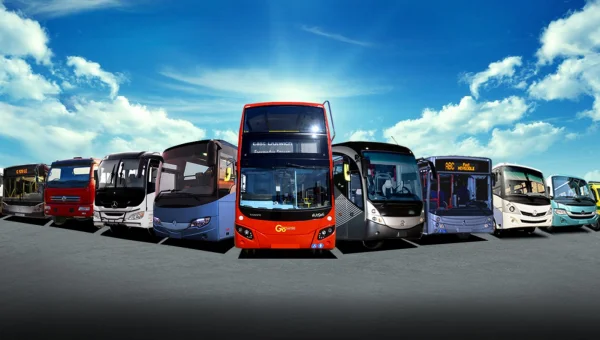
King Long Leads Egypt Bus Sales with 29.6% Share in First 8 Months
King Long led Egypt's bus market with a 29.6% share and 3,581 vehicles in the first eight months of 2026. Toyota came second at 18.6% with 2,251 units, followed by…
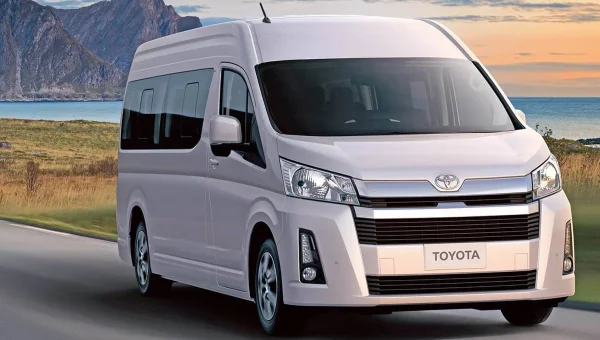
Toyota HiAce Dominates Egypt's Tourist Minibus Sales with 85% Share in 8 Months
Toyota HiAce commanded 85% of Egypt's tourist minibus segment in the first eight months of 2026, selling 1,022 units. Foton CS2 placed second with 134 vehicles and an 11% share,…
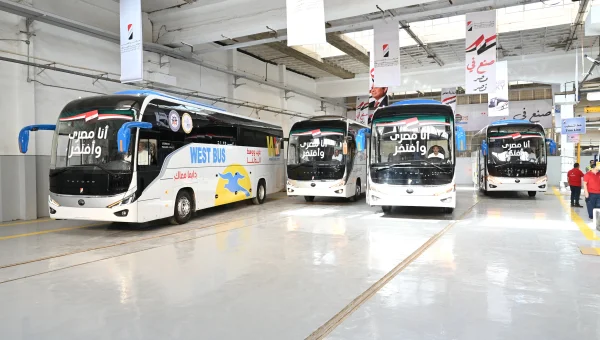
Local Assembly Drives Bus Sales in Egypt Up 78.5% Over 8 Months
Bus sales in Egypt reached 12,101 units in the first eight months of the year, up 78.5% from 6,781 vehicles last year. Locally assembled buses drove the growth, rising 73.5%…