

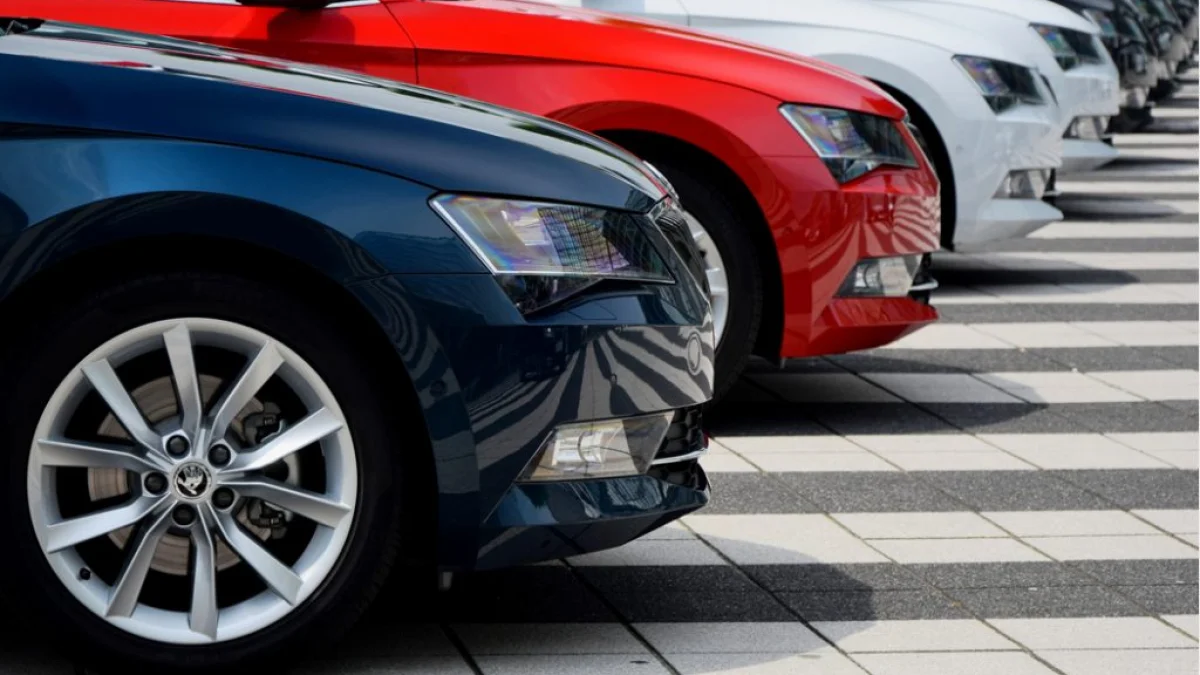
80 New Models: Chinese Cars Take Over the Egyptian Market
The Egyptian automotive market has witnessed a dramatic transformation in recent years, with Chinese brands emerging as dominant players after facing relative consumer reluctance nearly 15 years ago. Today, Chinese cars top the list of new model launches and have established themselves as key competitors in one of the region's most competitive markets, leveraging technological advancements, attractive pricing, and a diverse product portfolio.
Unprecedented Expansion in Model Lineup
Industry experts reveal that the number of new Chinese models entering the Egyptian market has approached 80 units in recent months, a clear indicator of the massive expansion Chinese automakers are pursuing in Egypt. This unprecedented momentum reflects an ambitious strategy aimed at covering a wide spectrum of consumers, from budget-friendly economy cars to sport utility vehicles and electric and hybrid models.
Experts noted that this diversity in available models has given Egyptian consumers extensive choices across various price segments, making the market more dynamic and competitive than ever. Companies such as Chery, Geely, BYD, Haval, and Jetour are competing fiercely to deliver modern models that meet buyer expectations with competitive specifications.
Quality and Features Leap Forward
Experts emphasized that Chinese automakers have made significant progress in improving quality levels, equipment, and safety systems, transitioning from pure price competition to challenging global brands in technology and design. Today's Chinese cars offer advanced features such as driver assistance systems, large infotainment screens, and smart connectivity systems that were once exclusive to European and Japanese brands just a few years ago.
The expansion of dealer networks, service centers, and spare parts availability has also played a crucial role in building customer trust, leading to increased demand and a shift away from the old negative perceptions associated with Chinese cars. Egyptian consumers now view Chinese brands as reliable options that combine affordable pricing with modern features.
The Future of Competition in Egypt
Experts confirmed that the continued influx of new Chinese models into the Egyptian market will intensify competition in the coming period, bringing multiple benefits in terms of features, prices, and after-sales services. This openness to Chinese models gives buyers greater opportunities to choose from dozens of available alternatives, pushing other global automakers to improve their offerings and reduce prices to maintain market share.
The Chinese wave in the Egyptian market appears far from reaching its peak, with new model launches continuing and after-sales service levels improving. With growing interest in electric and hybrid vehicles, Chinese companies are expected to play a pivotal role in shaping the future of mobility in Egypt over the coming years.
Related News
View All News
Passenger Cars Drive Egyptian Market Growth in 2026.. Nissan Leads
Passenger car sales in Egypt rose 22% in the first eight months of 2026 to 101,492 units. Nissan led the market with 16,616 vehicles, followed by MG and Chery. Changan…
Local Assembly Drives Truck Sales in Egypt Up 22.7% in 8 Months
Truck sales in Egypt rose 22.7% in the first eight months of 2026 to 21,852 units. Locally assembled trucks grew 16.1% to 18,719 vehicles, while imported trucks surged 85.4% to…
King Long Leads Egypt Bus Sales with 29.6% Share in First 8 Months
King Long led Egypt's bus market with a 29.6% share and 3,581 vehicles in the first eight months of 2026. Toyota came second at 18.6% with 2,251 units, followed by…
Toyota HiAce Dominates Egypt's Tourist Minibus Sales with 85% Share in 8 Months
Toyota HiAce commanded 85% of Egypt's tourist minibus segment in the first eight months of 2026, selling 1,022 units. Foton CS2 placed second with 134 vehicles and an 11% share,…
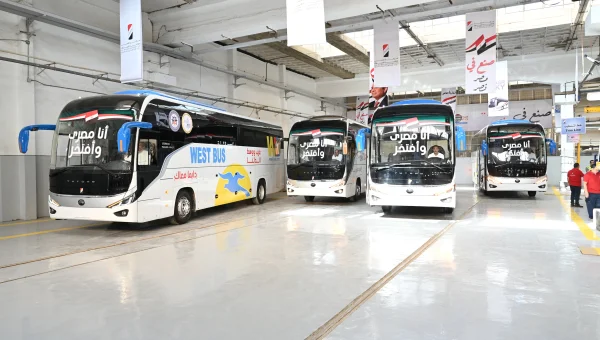
Local Assembly Drives Bus Sales in Egypt Up 78.5% Over 8 Months
Bus sales in Egypt reached 12,101 units in the first eight months of the year, up 78.5% from 6,781 vehicles last year. Locally assembled buses drove the growth, rising 73.5%…

