Analyst: China's shrinking oil demand is a bigger threat than Houthi blockades
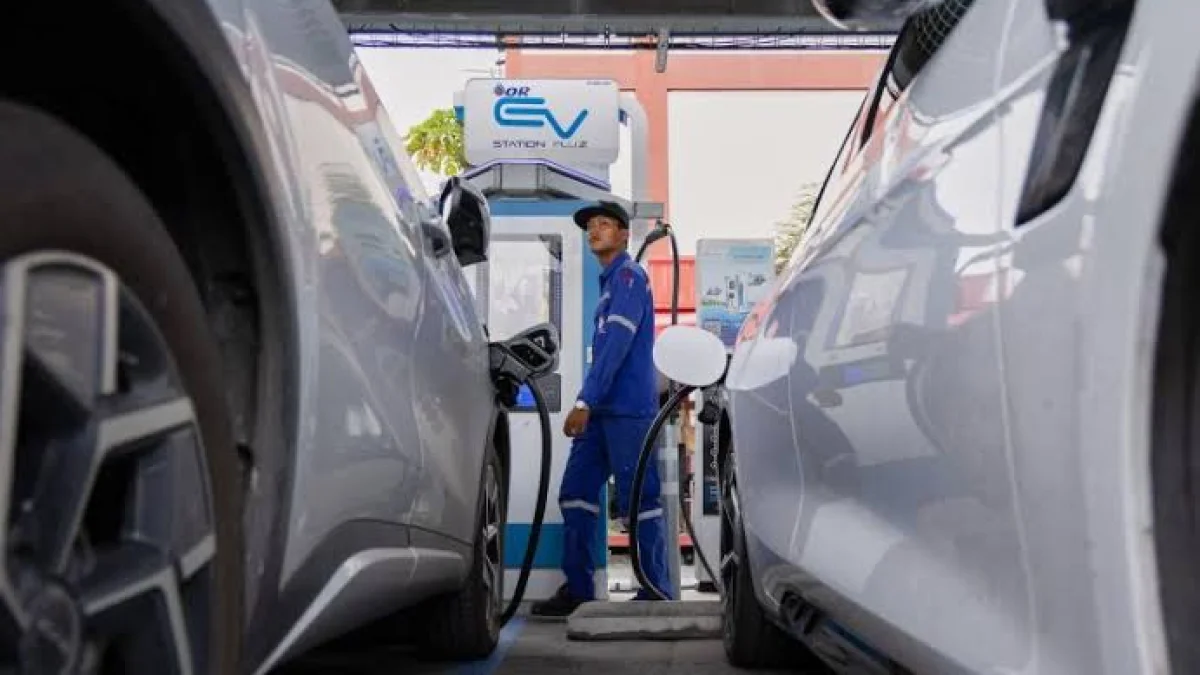
The Houthi threat is real. An economic report, however, suggests that China's declining appetite for oil—driven by electric vehicles, lower imports, and rising inventories—poses a far more sustainable risk to crude prices. The biggest importer is shifting gears.
A temporary risk at Bab el-Mandeb
Henik Fung, an analyst at Bloomberg Intelligence, states that a Houthi closure of the Bab el-Mandeb strait could cut off over 4 million barrels of crude oil daily. This would send prices higher and benefit producers like Sinopec and Inpex. But this is a temporary risk premium, not a structural price shift. West Texas Intermediate crude could range between $70 and $100 per barrel, depending on the Middle East conflict and China's consumption trends.
China is the real problem
Geopolitical tensions matter. Yet the sustainable factor is China's falling demand. Electric cars, lower imports, and swelling stockpiles point to one trend: declining consumption. Fung calls China "the biggest problem people are ignoring" in oil. He argues that China's reduced reliance on oil will have more lasting price consequences. A $70 WTI crude price may become the new normal—once the US-Iran dispute is resolved and the risk premium evaporates.
Four million barrels sounds alarming. It's not the whole story. China's shift is the real game-changer. Global markets are watching closely.
Related News
View All News
Beyond the Headlines: What Really Drives Engagement on Egyptian Auto Sites?
The report examines competition among auto sites in Egypt, noting that superiority depends on understanding local buyer needs for content combining price and running costs. Analyses show over 60% of…

Egypt's One-Billion-Pound Fund Revives Ailing Auto Factories
Egypt's Central Bank and Ministry of Industry have launched a one-billion-pound fund to restructure struggling factories and restore idle production capacity. The fund will take equity stakes, restructure debt, and…
Is Now the Right Time to Buy a New Car in Egypt? 6 Indicators That Decide
New car sales in Egypt rose 29.7% in the first seven months of 2026, reaching 116,869 vehicles, with passenger car sales up 25%. Overprice premiums have declined on several models…
Egyptian Car Market 2025: Challenges and Opportunities
Egypt's car market in 2025 faces up to 15% price hikes for Toyota and Nissan, an 8% drop in new car sales, and growing demand for used cars. Electric and…
China Tops Global Auto Industry: From Imitation to Technological Leadership
China's auto industry has shifted from imitation to global leadership, driven by massive investments in electric vehicles and AI. Companies like BYD adopted self-integration in production, cutting costs and boosting…