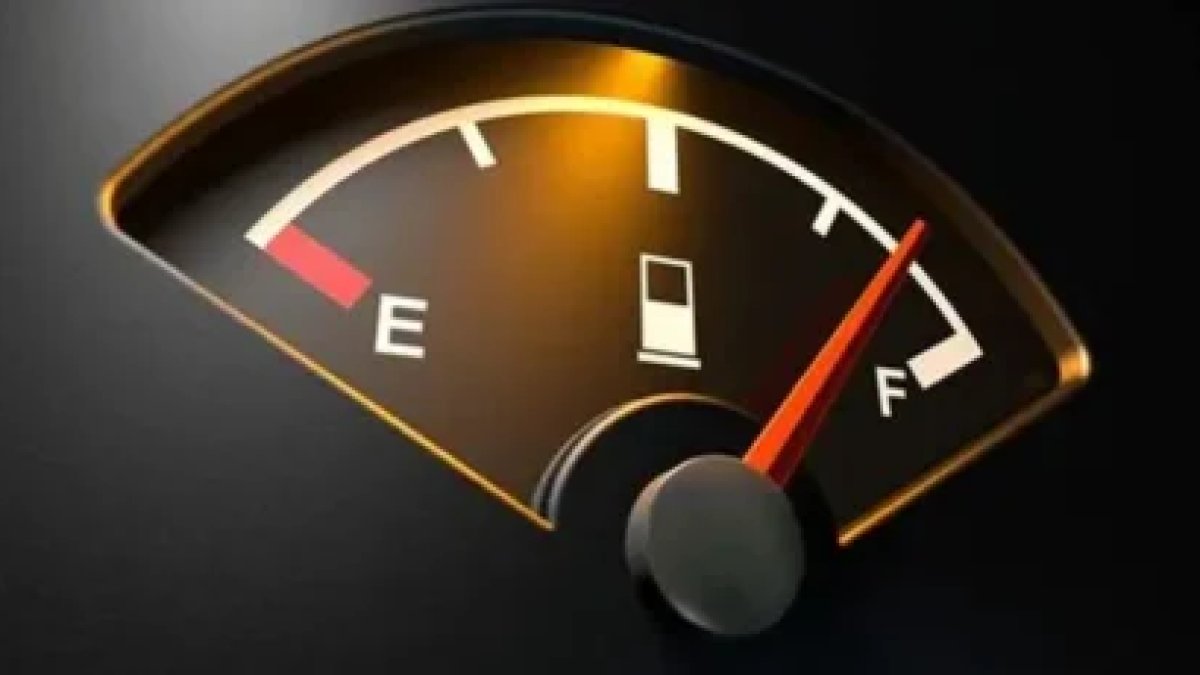
Top Causes of Increased Fuel Consumption in Cars and How to Avoid Them
There are times when you drive your car in the same manner and cover the same distances, yet you notice a significant difference in fuel consumption. The rate of fuel usage rises without any obvious reason, and the issue could be simple or complex. Here are the most common causes behind increased fuel consumption in cars.
Low Tire Pressure
When tire pressure drops, the contact patch between the tire and the road surface increases, leading to higher friction. The engine must then work harder to move the vehicle, which can raise fuel consumption by up to 10% above normal levels. The solution is to check tire pressure every two weeks, especially before long trips or when weather conditions change.
Using Sport Mode
Engaging Sport Mode in your car enhances acceleration and keeps engine RPM higher for longer periods, which significantly increases fuel consumption even during city driving. While Sport Mode delivers exciting performance, it is not suitable for everyday use on regular roads, particularly in heavy traffic.
Excess Weight and Cargo
The heavier the load in your car—whether passengers or luggage—the greater the strain on the engine, especially when starting from a standstill or climbing hills. Additionally, placing items on the roof rack increases aerodynamic drag, raising fuel consumption by up to approximately 10% for every extra 100 kg of weight.
Running the Air Conditioner
Operating the car's air conditioning system puts extra load on the engine, increasing fuel consumption by 10% to 30%, depending on the AC's power and the ambient temperature.
Using Incorrect Fuel and Oil
Using fuel with a lower octane rating than required causes incomplete combustion, reducing engine efficiency and raising fuel consumption. Similarly, using engine oil with the wrong viscosity increases internal friction, forcing the engine to use more fuel.
Delayed Oil Changes
When engine oil changes are postponed, the oil loses its proper viscosity, increasing friction between engine components and leading to higher fuel usage. Contaminants in old oil also raise the temperature inside the engine compartment, further increasing fuel consumption.
Dirty Air Filter
The air filter supplies clean air for engine cooling and combustion. If the filter is clogged or dirty, airflow is restricted, disrupting the air-fuel mixture and causing the engine to consume more fuel. Regular inspection and replacement of the air filter according to the manufacturer's recommendations are essential.
Related News
View All News
Passenger Cars Drive Egyptian Market Growth in 2026.. Nissan Leads
Passenger car sales in Egypt rose 22% in the first eight months of 2026 to 101,492 units. Nissan led the market with 16,616 vehicles, followed by MG and Chery. Changan…
Local Assembly Drives Truck Sales in Egypt Up 22.7% in 8 Months
Truck sales in Egypt rose 22.7% in the first eight months of 2026 to 21,852 units. Locally assembled trucks grew 16.1% to 18,719 vehicles, while imported trucks surged 85.4% to…
King Long Leads Egypt Bus Sales with 29.6% Share in First 8 Months
King Long led Egypt's bus market with a 29.6% share and 3,581 vehicles in the first eight months of 2026. Toyota came second at 18.6% with 2,251 units, followed by…
Toyota HiAce Dominates Egypt's Tourist Minibus Sales with 85% Share in 8 Months
Toyota HiAce commanded 85% of Egypt's tourist minibus segment in the first eight months of 2026, selling 1,022 units. Foton CS2 placed second with 134 vehicles and an 11% share,…
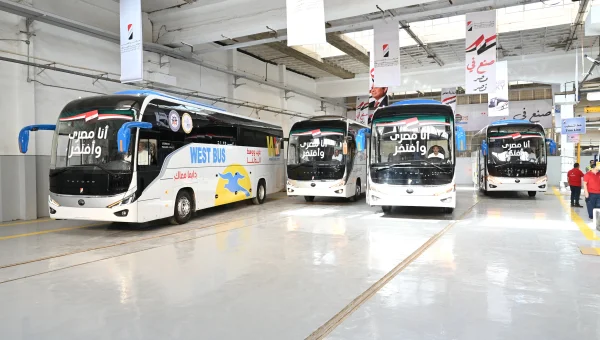
Local Assembly Drives Bus Sales in Egypt Up 78.5% Over 8 Months
Bus sales in Egypt reached 12,101 units in the first eight months of the year, up 78.5% from 6,781 vehicles last year. Locally assembled buses drove the growth, rising 73.5%…