Content Creation in Egypt's Car Market: When Criticism Becomes a Commodity
Sharp criticism is no longer just an opinion. It has transformed into a paid profession in Egypt's automotive world, where so-called "bloggers" have imposed a new equation on car companies. It starts with a paid "post" and doesn't stop at "stories" or "reels." The market that once was an open space for opinion has become a bargaining table.
The Self-Appointed Consumer Protectors
Initially, this group emerged as a new player in an almost empty media landscape in Egypt. They relied on moving images and easy access through phone screens, speaking for a public suffering from rising prices and the "overprice" phenomenon that hit the market hard. But the real question is: what professional or cultural background qualifies them to criticize specific companies and magnify their mistakes under a microscope? Followers seek honest opinions, yet some found in aggressive tone a fast track to popularity.
Results came quickly. Follower counts surged remarkably, turning these influencers into the primary reference for anyone planning to buy a car but struggling to find something matching their budget amid successive price waves. A massive number of users gradually withdrew from traditional media, gravitating toward fast, direct content delivered by people whose backgrounds remain unknown.
The Companies' Curse
The companies themselves fueled the phenomenon. Instead of addressing criticism head-on, they chose to sign contracts with these bloggers and build entire teams — all for money in exchange for any published content, regardless of its quality. A Facebook post has its price, a story has another, and a reel differs completely. This pricing structure created a parallel market controlling the narrative around new and used cars in Egypt.
The results have become alarming for the very companies that started it. The number of bloggers in Egypt has grown beyond any ability to track them, with some publicly pressuring companies through both permissible and non-permissible criticism to secure a spot on their media teams. The companies that thought they had hired a genie to tame it found themselves facing an uncontrollable beast — some are now screaming at what they unleashed.
Who Pays the Price?
At the end of the day, confusion persists between those seeking objective content and those using their platforms for personal gain. The Egyptian case reflects a genuine crisis of trust between consumers and influencers, especially with a new blogger emerging every second on social media platforms.
The reality is that the battle is far from over. Companies try to regain control of the game, while bloggers defend their gains. In the middle stands the Egyptian citizen who simply wants the truth about their next car — and any advice they receive might be paid for. This difficult equation is what will shape the future of specialized media in the coming years.
Related News
View All News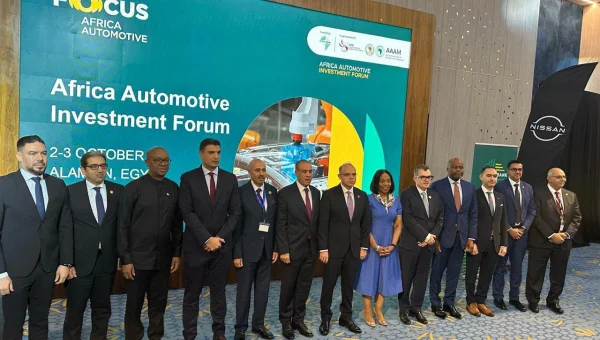
From Assembly to Export: Egypt Redraws Africa's Automotive Map
The Alamein-Africa Business Forum 2026 concluded with a clear message: Egypt's automotive sector is transitioning from assembly to full manufacturing and export. The Ministry of Industry's strategy under Engineer Khaled…
Report reveals: The turbo engines most prone to failure after 80,000 km
Recent fleet data shows that several turbocharged engines in Egypt begin showing costly failures at just 80,000 kilometers, while others last much longer. The main cause isn't design alone but…
Unqualified Influencers Threaten Egypt's Economy and Corporate Reputation
Dr. Said Hamed, a media professor at Suez University, warned that content from unqualified influencers on social media can damage Egypt's national economy and the reputation of state institutions. He…

Beyond the Headlines: What Really Drives Engagement on Egyptian Auto Sites?
The report examines competition among auto sites in Egypt, noting that superiority depends on understanding local buyer needs for content combining price and running costs. Analyses show over 60% of…
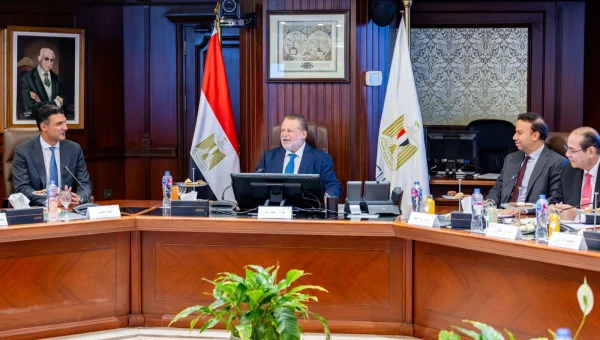
Egypt's One-Billion-Pound Fund Revives Ailing Auto Factories
Egypt's Central Bank and Ministry of Industry have launched a one-billion-pound fund to restructure struggling factories and restore idle production capacity. The fund will take equity stakes, restructure debt, and…