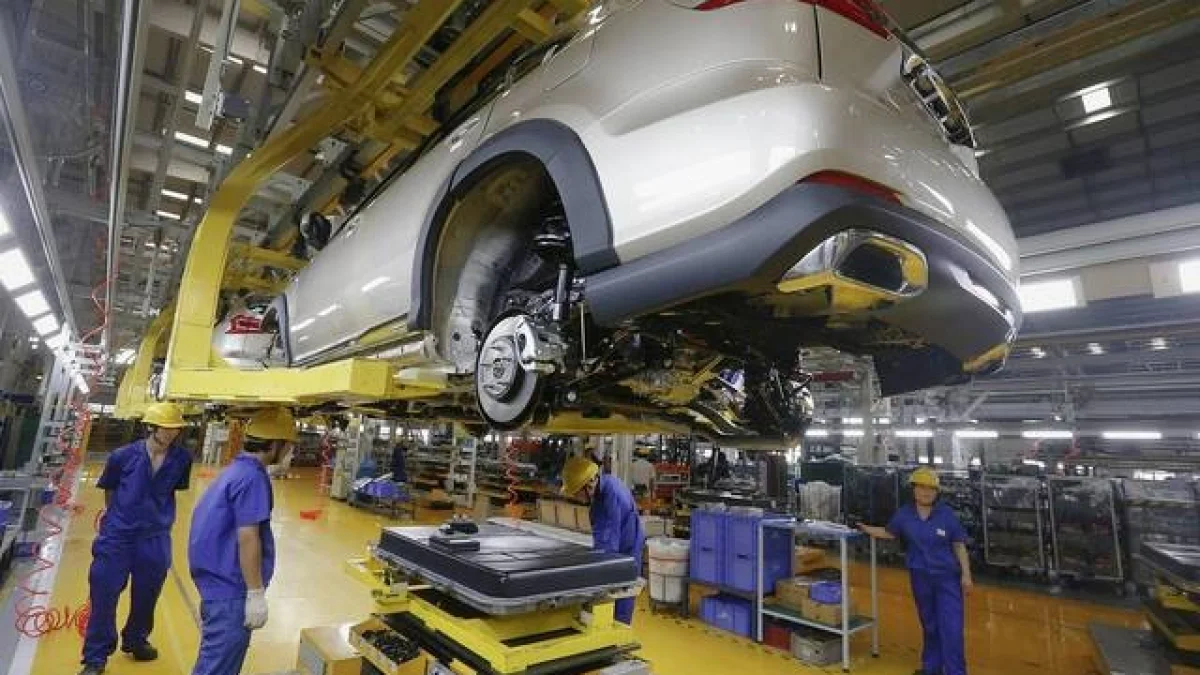
Behind Every Car, Dozens of Industries: How Automotive Sector Reshapes Manufacturing Map
Engineer Mohamed Sami, Assistant Minister of Industry for Strategic Affairs, confirmed that car manufacturing is an integrated system connected to feeder industries and supply chains. He explained that expanding production creates growing demand for components and services, supporting a broader industrial base. He emphasized that industrial localization strengthens economic security and extends its impact across multiple sectors. The core message is that automotive manufacturing is now a key economic driver, not just vehicle assembly.
Engineer Mohamed Sami, Assistant Minister of Industry for Strategic Affairs, declared that car manufacturing can no longer be viewed as a standalone industrial activity. The sector connects to a vast network of feeder industries, supply chains. Services, which means its growth can move multiple sectors simultaneously within Egypt's economy. The shift from assembly to deep manufacturing is underway.
The Car Starts Before the Production Line
Building a vehicle demands an integrated web of suppliers and supporting industries. That reality links any rise in local production directly to greater opportunities for companies making components — from spare parts to electrical systems, plastics, glass, and seating. Transportation and logistics services benefit too.
Sami explained that expanding vehicle manufacturing fuels growing demand for raw materials and services. This interconnected nature is exactly what gives the automotive industry its power to lead other sectors forward, rather than limiting its impact to assembly plants and final production lines. He made these remarks during an interview with journalist Rania Hashim on the 'Fourth Dimension' program — the distinction matters when drawing Egypt's new industrial map.
Localization Expands the Circle of Beneficiaries
Industrial localization represents a core goal for the state, enabling greater reliance on domestic capabilities. Expanding localization means the value generated by car manufacturing doesn't stop at the factory gate but extends to a larger number of suppliers and linked industries. The question is: how does this reshape the broader economy?
The answer is that localization pushes a wider industrial base to grow through a more extensive production cycle covering component makers, feeder industries, and after-sales services. This integrated ecosystem means every vehicle rolling off the assembly line carries added value distributed across dozens of economic activities. The beneficiaries are many, from small suppliers to major component manufacturers.
Automotive Industry and Economic Security
The Assistant Minister linked localization directly to the concept of economic security. He stressed that greater local production capacity strengthens the economy's resilience against external shocks and global supply chain disruptions. The automotive sector stands at the heart of this strategy because it depends on such a wide network of components and activities.
The message from the ministry is clear: vehicle manufacturing in Egypt isn't merely about factories and assembly lines anymore. It serves as a gateway toward a more diversified and resilient industrial economy, where every investment multiplies through a complex chain of productive relationships stretching far beyond the factory doors.
Frequently Asked Questions
3 questions answered
Related News
View All News
Passenger Cars Drive Egyptian Market Growth in 2026.. Nissan Leads
Passenger car sales in Egypt rose 22% in the first eight months of 2026 to 101,492 units. Nissan led the market with 16,616 vehicles, followed by MG and Chery. Changan…
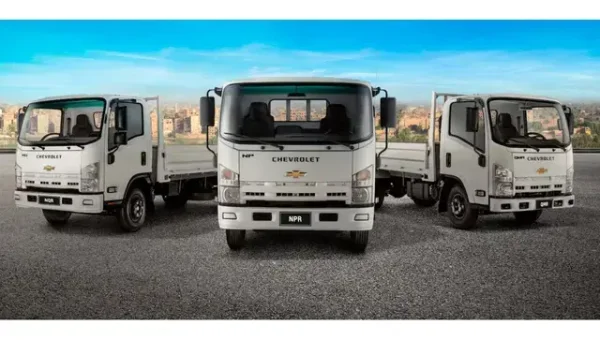
Local Assembly Drives Truck Sales in Egypt Up 22.7% in 8 Months
Truck sales in Egypt rose 22.7% in the first eight months of 2026 to 21,852 units. Locally assembled trucks grew 16.1% to 18,719 vehicles, while imported trucks surged 85.4% to…
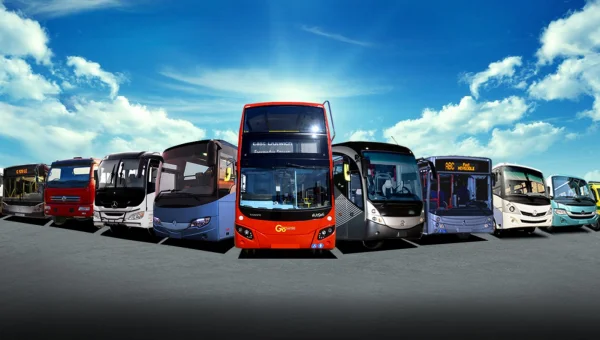
King Long Leads Egypt Bus Sales with 29.6% Share in First 8 Months
King Long led Egypt's bus market with a 29.6% share and 3,581 vehicles in the first eight months of 2026. Toyota came second at 18.6% with 2,251 units, followed by…
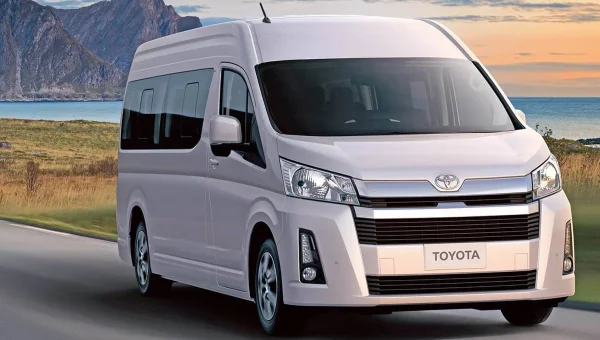
Toyota HiAce Dominates Egypt's Tourist Minibus Sales with 85% Share in 8 Months
Toyota HiAce commanded 85% of Egypt's tourist minibus segment in the first eight months of 2026, selling 1,022 units. Foton CS2 placed second with 134 vehicles and an 11% share,…
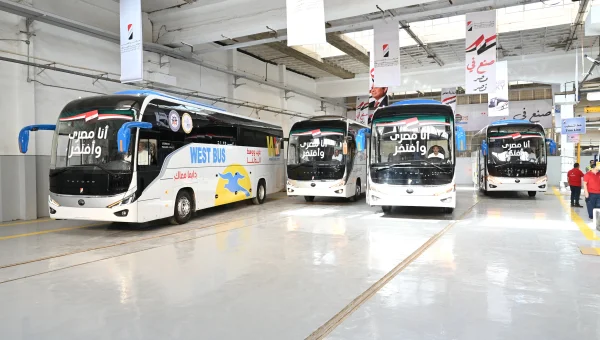
Local Assembly Drives Bus Sales in Egypt Up 78.5% Over 8 Months
Bus sales in Egypt reached 12,101 units in the first eight months of the year, up 78.5% from 6,781 vehicles last year. Locally assembled buses drove the growth, rising 73.5%…