Toyota Corolla (2014-2019) Review
Corolla 11th Generation (2014 - 2019)

The 11th-generation Corolla is a dependable family sedan with an economical 1.6L engine, a roomy cabin, and widely available spare parts. It is known in the Egyptian market for reliability and strong resale value.
Pros
- Economical fuel consumption around 6L/100km
- Spacious, comfortable cabin for all passengers
- Widely available, affordably priced spare parts
- Strong resale value in the Egyptian market
- Smooth, shift-free CVT automatic
- Electronic stability control standard across trims
Cons
- Noticeable hard plastic use in parts of the cabin
- Audible wind noise at higher speeds
- Missing some safety features such as blind-spot monitoring
- Turkish assembly seen as lower quality than the prior Japanese-built generation
- Lacks extras such as a sunroof or rear spoiler
Full Generation Review
Engine & Performance
The car uses a 1.6L four-cylinder 16-valve engine with dual VVT-i, producing about 120 hp at 6000 rpm and 154 Nm of torque at 5200 rpm, paired with a front-wheel-drive CVT automatic. It accelerates from 0-100 km/h in roughly 12 seconds with a top speed near 180 km/h, and fuel economy sits around 6L/100km, which is strong for the segment. A Sport Mode button adds a sportier feel at the cost of higher consumption, while the CVT delivers smooth, shift-free power delivery.
Interior & Cabin Space
At 4.62m long, 1.775m wide, with a 2.7m wheelbase, the cabin is spacious and comfortable, approaching the interior room of the larger Camry. The trunk holds up to 440 liters, generous for a family car. Seats are comfortable and the dashboard feels relatively upscale, though hard plastics are noticeable in parts of the cabin, and wind noise becomes audible at higher speeds despite otherwise decent insulation.
Maintenance & Resale
Spare parts are widely available both inside and outside authorized dealers at reasonable prices, and the car is known for having few mechanical issues. It also holds its resale value well in the Egyptian market, though this generation uses Turkish assembly rather than the Japanese assembly of its predecessor, which slightly affects build quality perception.
Toyota Corolla Cars for Sale (2014 - 2019) in Egypt
Show more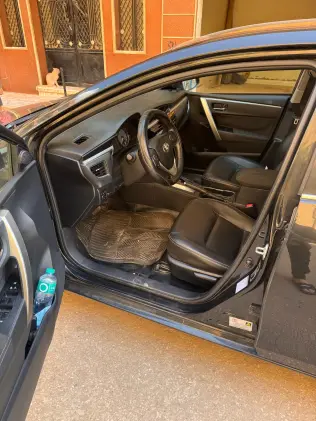
Toyota Corolla 2016 for sale in Egypt. It's a sedan with an automatic transmission, a 1600cc engine, and it's black.…

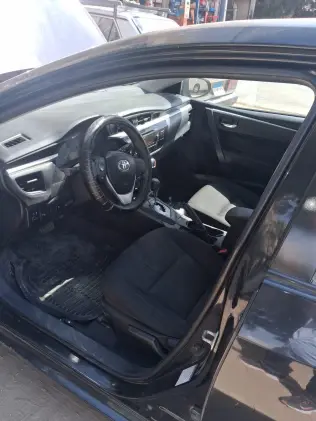
Toyota Corolla 2014 for sale in Egypt. It's a black sedan with a 1600cc engine and 4 cylinders, and the…
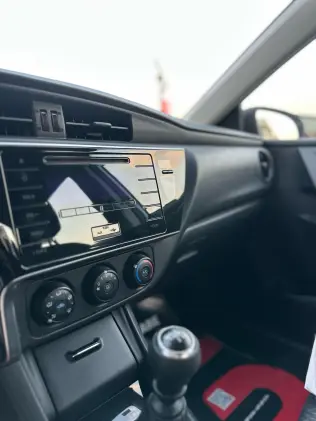
Toyota Corolla 2018 for sale in Egypt. This is the first trim level with a manual transmission, showing 30,000 km…

Toyota Corolla 2018 for sale in [email protected]. It's a sedan with an automatic transmission, 1,600cc engine, 4 cylinders, and 200,000…
Generation Years (2014 – 2019)
Related News
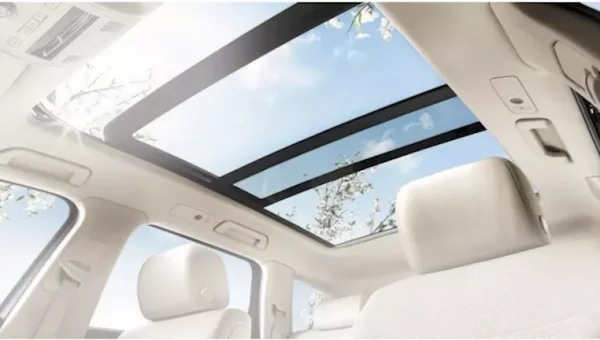
Panoramic Sunroof Problems: What Dealers Won't Tell You Before You Buy
Panoramic sunroofs are increasingly common in new and used cars thanks to their premium look, but they carry significant drawbacks including excessive cabin heat in hot climates and water leaks…
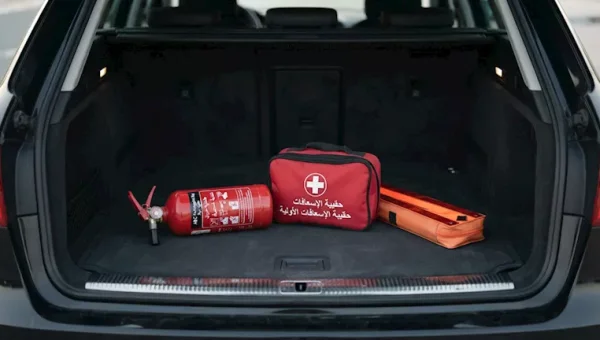
First Aid Kit in Cars: Can It Save Lives in an Accident?
A first aid kit in your car contains essential supplies to handle emergency injuries from road accidents. It can help control external bleeding and cover wounds, but it is not…

Egypt's State Information Service and Military Academy Sign Strategic Cooperation Protocol
Egypt's State Information Service, headed by Ambassador Alaa Youssef, signed a strategic cooperation protocol with the Military Academy for Higher and Strategic Studies, led by Major General Mohamed Mahmoud Awad.…
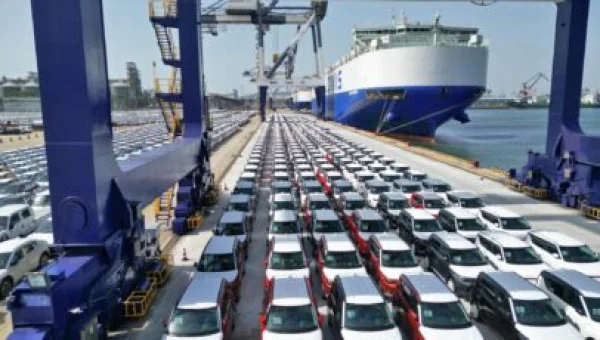
Top 10 Best-Selling Car Brands in Egypt for September: Chevrolet Leads as Market Grows 12.7%
Egypt's September vehicle sales reached 76,575 units, up 12.7% from August's 67,936, according to the Egyptian Compulsory Motor Vehicle Insurance Pool report. Chevrolet topped the list with 2,899 units, followed…

Rohan Fernandes, New GM Chairman, Makes First Cairo Appearance in Exclusive Interview
Rohan Fernandes, the new chairman of General Motors, made his first press appearance in Cairo, granting an exclusive interview to Al-Ahram Auto. The interview reveals GM's new strategy for Egypt…
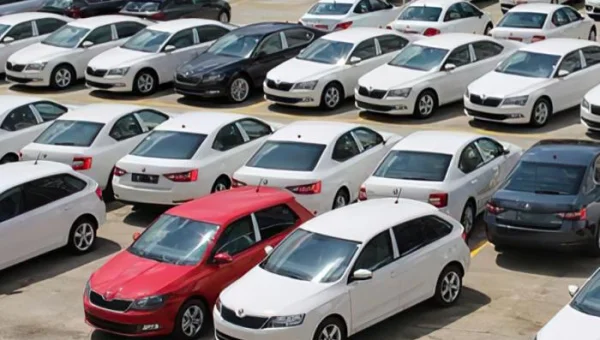
Expert Reveals Used Car Pricing Crisis in Egypt: A Market Without a Ruling Price
Egypt's used car market suffers from the absence of clear pricing standards, according to Hisham El-Zini, editor-in-chief of Ahram Auto. New car prices influence used vehicle values but without any…
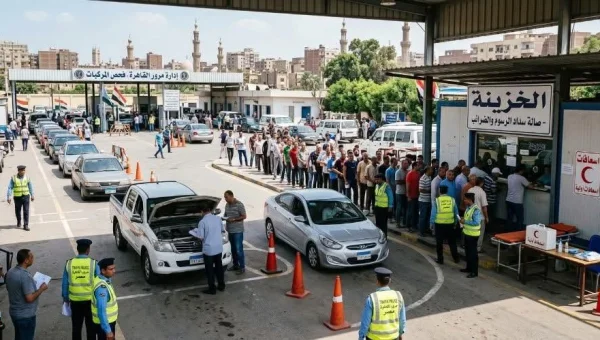
Egypt Interior Ministry Scraps Fire Extinguisher Requirement, Launches One-Stop Window for Car Licensing
Egypt's Interior Ministry has cancelled the requirement to present a fire extinguisher, first-aid kit, and reflective triangle when licensing vehicles, starting October. A one-stop window system has also been introduced…

15 Dangerous Habits Threatening Elderly Drivers: From Slow Driving to Ignoring Blind Spots
Walid Abdo, manager of a car maintenance center, revealed 15 habits that elderly drivers must review to ensure safe driving, including driving too slowly without reason, relying on mirrors and…