

Why Sports Cars Refuse to Have Four Doors
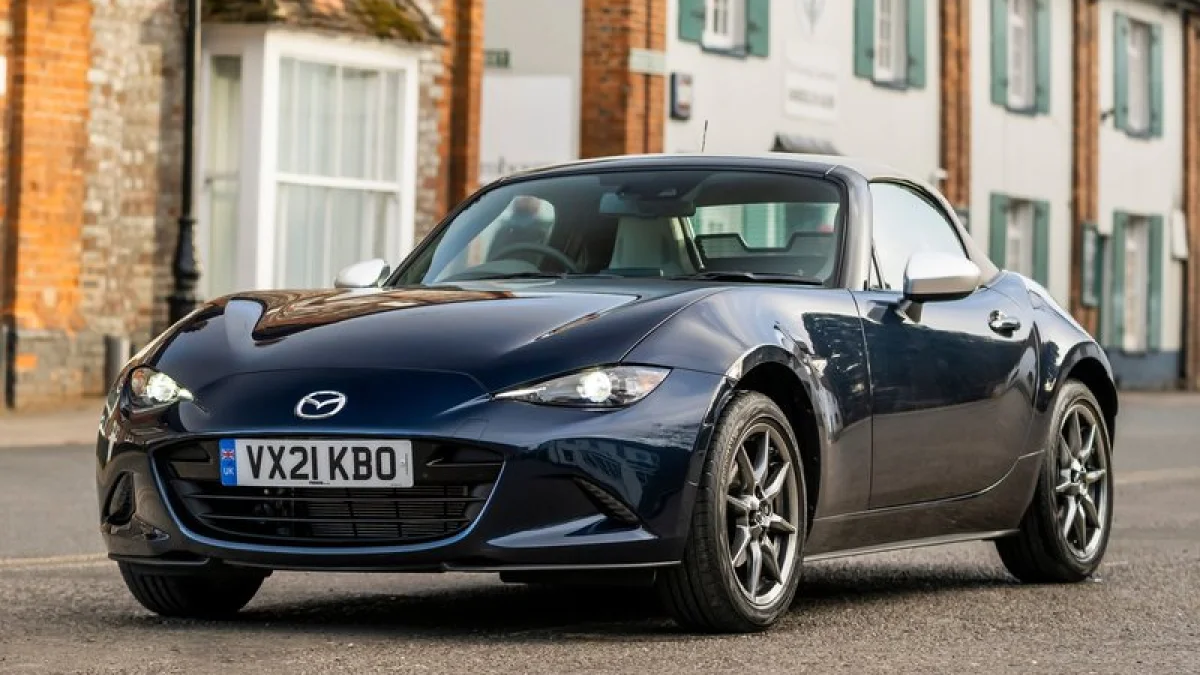
Porsche 911. Ford Mustang. Toyota GR86. Three completely different names, yet they share one striking detail. All of them come with two doors only, and that's not a coincidence or a fixation on classic styling.
A Different Set of Priorities
A sports car is engineered according to priorities far removed from the logic of a family sedan or SUV. Rear-seat passenger access isn't at the top of the list when the goal is acceleration, stability, and instant response. Every kilogram and every part of the body structure gets scrutinized.
A door isn't just a metal piece that opens and closes. Inside it sits hinges, locks, glass, window regulator, wiring, sound deadening, speakers, trim. Often electric motors and keyless entry systems. Adding two rear doors means duplicating most of these components, and that means extra weight. In a car whose engineers are fighting to shed every unnecessary kilogram, dropping the rear doors becomes a logical decision. Less weight improves acceleration, braking. Directional changes, and it also reduces stress on the tires and brakes.
Body Rigidity Is Precious
But weight isn't the whole story. To fit four doors, you need four large openings in the body shell instead of two. Every opening affects structural rigidity. A sports car demands a very stiff chassis so the suspension works with the required precision and the body doesn't flex undesirably in corners or on uneven roads. Two doors let engineers preserve a larger continuous area of the body, especially around the sides, making it easier to achieve the needed stiffness without extra bracing.
Longer front doors hide another benefit. In sports cars, the driver and front passenger often sit closer to the ground, with a low seat and a high shoulder line. That means a bigger opening is needed to get in and out. The elongated front doors provide exactly that. It's a practical solution to a real ergonomic challenge.
The verdict is clear: two rear doors aren't just a styling choice in the Porsche 911 or the Mustang — they're an engineering call that puts performance first. Those who want practicality with a dose of sportiness can find alternatives from Toyota or Honda in more practical sedan segments. But for the pure driving experience, giving up two doors is a small price to pay for what these machines deliver on the road.
Related News
View All News
Ford Model 1932: Naguib El-Rihani and Asmahan's Car Ignites a Tuning Revolution
The Ford Model 1932, known as the Deuce, is one of the most prominent classic cars linked to Egyptian art stars like Naguib El-Rihani and Asmahan. With a 3.6-liter V8…
Why Pink and Orange Cars Steal the Spotlight Over Silver and Black
Driving experiments showed that a pink Lamborghini Revuelto drew attention wherever it went, while a silver Bentley Flying Spur went largely unnoticed in Los Angeles. When the writer drove the…
Nissan Patrol vs Toyota Land Cruiser: The Ultimate SUV Showdown
The Nissan Patrol and Toyota Land Cruiser continue their legendary rivalry in the Egyptian market. The Patrol offers a powerful V8 and luxurious interior, while the Land Cruiser boasts a…
After the Nissan Crisis: How to Inspect Your Car and Avoid Post-Sale Headaches
A major crisis involving Nissan vehicles in Egypt has shaken buyer confidence due to delivery delays and subsequent complaints. This guide outlines essential inspection steps before signing, covering body, engine,…

For Beginners: Simple Steps to Correctly Measure Your Car's Engine Oil
Measuring engine oil is a critical maintenance task, yet many drivers get it wrong. Park on a level surface, wait a few minutes after shutting off the engine, then pull…

