

For Beginners: Simple Steps to Correctly Measure Your Car's Engine Oil
Measuring engine oil is a critical maintenance task, yet many drivers get it wrong. Park on a level surface, wait a few minutes after shutting off the engine, then pull the dipstick, clean it, reinsert it, and check the level. If low, add oil gradually without exceeding the maximum mark, and inspect the oil's condition for debris or leaks.
Checking your engine oil isn't complicated, but doing it wrong can be costly. The correct method requires a level surface, a shut-off engine, and a clean dipstick. These simple details separate an accurate reading from a misleading one that could hide a serious oil shortage.
Why beginners get engine oil checks wrong
The most common mistake is measuring on a sloped surface. When the car is parked on an incline, oil pools on one side of the sump, showing a false level. The result? Adding oil the car doesn't need, or ignoring a real shortage that puts the engine at risk. Measuring your car's engine oil demands attention, not years of experience.
The correct steps to check engine oil
Stop the engine and wait
After switching off the engine, don't rush. Wait several minutes for the oil to drain back into the sump. The exact time varies by model, so check your owner's manual. The rule is simple: the longer you wait, the more accurate the reading.
Pull the dipstick, clean it, then reinsert
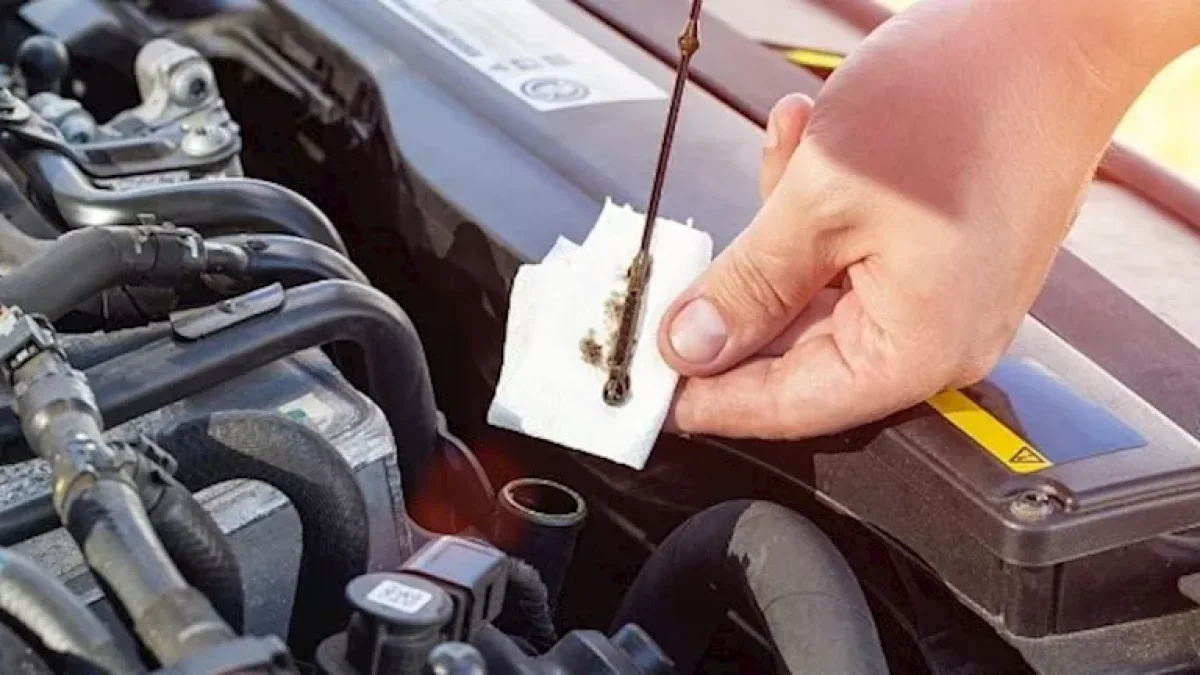
Open the hood and locate the dipstick. Pull it out fully and wipe the tip with a clean cloth or tissue. This step is essential because leftover oil from a previous check gives a false reading. Reinsert the dipstick completely, then pull it out again and inspect the level. The oil should sit between the minimum and maximum marks.
What to do if the oil level is low
If the level is below the minimum mark, add the required amount of oil that meets the manufacturer's specifications. Pour gradually and recheck after each addition. Never exceed the maximum mark. Overfilling can cause engine problems, including increased pressure and damaged rings.
Check the oil condition, not just the level
While measuring, look at the oil's color and texture. The color darkens gradually with use, which is normal. But visible debris or an unusual change in appearance calls for an inspection and a look at the maintenance schedule. If the oil level drops repeatedly after topping up, there may be a leak or excessive consumption. In that case, don't just add oil — inspect the engine.
Frequently Asked Questions
4 questions answered
Related News
View All News
Ford Model 1932: Naguib El-Rihani and Asmahan's Car Ignites a Tuning Revolution
The Ford Model 1932, known as the Deuce, is one of the most prominent classic cars linked to Egyptian art stars like Naguib El-Rihani and Asmahan. With a 3.6-liter V8…

Why Pink and Orange Cars Steal the Spotlight Over Silver and Black
Driving experiments showed that a pink Lamborghini Revuelto drew attention wherever it went, while a silver Bentley Flying Spur went largely unnoticed in Los Angeles. When the writer drove the…
Nissan Patrol vs Toyota Land Cruiser: The Ultimate SUV Showdown
The Nissan Patrol and Toyota Land Cruiser continue their legendary rivalry in the Egyptian market. The Patrol offers a powerful V8 and luxurious interior, while the Land Cruiser boasts a…
After the Nissan Crisis: How to Inspect Your Car and Avoid Post-Sale Headaches
A major crisis involving Nissan vehicles in Egypt has shaken buyer confidence due to delivery delays and subsequent complaints. This guide outlines essential inspection steps before signing, covering body, engine,…

BMW E66 and Caprice 'Soap' — Two Sub-Million EGP Deals in 2026?
In Egypt's used car market, the BMW E66 (2007) and Chevrolet Caprice Classic LTZ (1996), known as the 'Soap,' compete for buyers seeking luxury under a million EGP. The BMW…

