


A Warning Light Turns a Mechanic Visit Into a Nightmare: What to Do When a Diagnosis Threatens Your Life
When a warning light or strange noise appears, a routine mechanic visit can turn into a stressful dilemma. Attorney Doug Burnetti emphasizes that a written diagnosis is your first line of defense, and a shop cannot legally keep your car just by declaring it unsafe. The difference between a safety warning and legal authority to hold the vehicle depends on local laws and varies by country.
A warning light on your dashboard isn't just a minor annoyance. That routine trip to the repair shop can spiral into a tense situation when the mechanic delivers a short, chilling verdict: 'This car isn't safe to drive.' That single sentence forces car owners into difficult territory, especially when the issue involves brakes, tires, steering, or suspension. These are components where failure can lead to serious accidents. The dilemma deepens when the repair cost is enormous, and suddenly you are caught between safety and your bank account.
Get the Diagnosis in Writing
The first step when told your car is unsafe is to demand a written diagnosis. Do not settle for a verbal explanation. Ask the shop to document the fault, the damaged part, its severity. Whether the car can be driven a short distance or requires towing. This document becomes your leverage if you decide to seek a second opinion, instead of making a rushed decision under fear of an accident. The written diagnosis also protects you from potential exploitation, though it doesn't mean the shop is necessarily trying to scam you; the technician may have genuinely discovered a dangerous defect you knew nothing about.
Can a Shop Legally Keep Your Car?
Legal rules vary from country to country. Attorney Doug Burnetti, who specializes in personal injury and auto accident cases, told Jalopnik that a shop declaring a car 'unsafe' doesn't automatically grant it the right to seize the vehicle or prevent the owner from retrieving it. In some U.S. states, other legal grounds may allow a shop to hold a car, such as a lien related to repair costs. But the distinction is clear between warning an owner against driving and having the legal authority to block them from taking their car. Most drivers are unaware of this difference, and they cave under pressure without knowing their rights.
Frequently Asked Questions
2 questions answered
Related News
View All News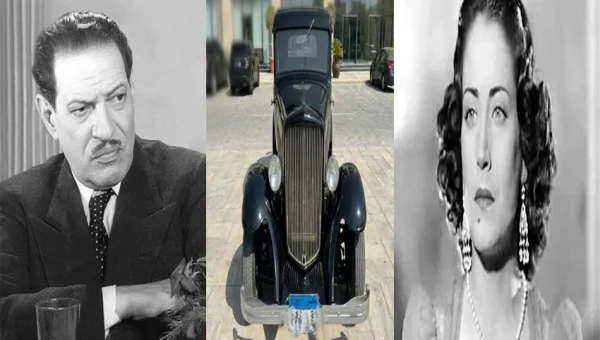
Ford Model 1932: Naguib El-Rihani and Asmahan's Car Ignites a Tuning Revolution
The Ford Model 1932, known as the Deuce, is one of the most prominent classic cars linked to Egyptian art stars like Naguib El-Rihani and Asmahan. With a 3.6-liter V8…

Why Pink and Orange Cars Steal the Spotlight Over Silver and Black
Driving experiments showed that a pink Lamborghini Revuelto drew attention wherever it went, while a silver Bentley Flying Spur went largely unnoticed in Los Angeles. When the writer drove the…
Nissan Patrol vs Toyota Land Cruiser: The Ultimate SUV Showdown
The Nissan Patrol and Toyota Land Cruiser continue their legendary rivalry in the Egyptian market. The Patrol offers a powerful V8 and luxurious interior, while the Land Cruiser boasts a…
After the Nissan Crisis: How to Inspect Your Car and Avoid Post-Sale Headaches
A major crisis involving Nissan vehicles in Egypt has shaken buyer confidence due to delivery delays and subsequent complaints. This guide outlines essential inspection steps before signing, covering body, engine,…
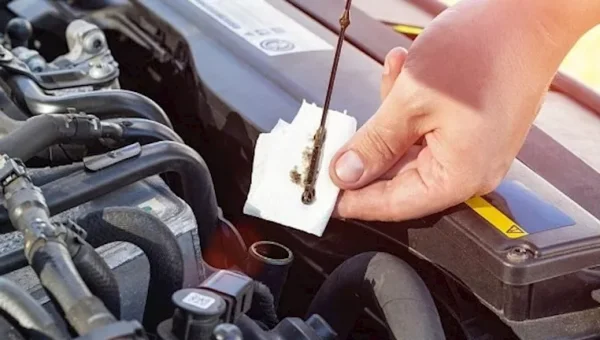
For Beginners: Simple Steps to Correctly Measure Your Car's Engine Oil
Measuring engine oil is a critical maintenance task, yet many drivers get it wrong. Park on a level surface, wait a few minutes after shutting off the engine, then pull…

