


10 Common Mistakes When Buying a Used Car: Avoid Them All
Buying a used car can save money, but common mistakes lead to lost investments. Key errors include ignoring the total budget and judging the car by its exterior only. A full technical inspection and a real test drive reveal hidden issues without fail. Smart buyers allocate an extra 10-15% for repairs and use certified independent inspection centers.
Looking for a used car? The savings are real, but so are the risks hiding under a polished hood. Ten common mistakes when buying a used car can turn a smart purchase into a financial headache. The biggest one is ignoring the total budget. Beyond the sticker price, you must budget for ownership transfer fees, insurance, technical inspection, and immediate repairs.
Why Do Buyers Fall Into Common Used Car Pitfalls?
Impulse buying on looks alone sends countless drivers home with a damaged vehicle. A clean, shiny exterior means nothing if the chassis is bent or the gearbox is failing, making mechanical inspection of the engine and transmission absolutely vital. These are some of the most common used car buying mistakes that cost people thousands.
The car's history remains a mystery to careless buyers. Most never request an accident report or verify the odometer readings, yet an OBD computer scan exposes hidden fault codes. The solution is simple: use an independent certified inspection center with no ties to the seller.
How to Protect Yourself from Buying Mistakes?
A real test drive is your safest bet. Strange engine noises, steering wheel vibrations, weak air conditioning, or jerky gear changes only surface when the wheels are turning. Set aside an extra 10 to 15 percent over the sale price for unexpected repairs that always appear.
Paperwork tells its own story. Verify that the VIN matches the official documents and carries no traffic violations, then inspect the chassis for signs of previous collision damage. These small checks make the difference between a bargain and a ruined weekend.
Don't overlook the interior condition. The cabin, brakes, and tires reveal how the previous owner treated the car, and spending a small fee on a professional inspection now is cheaper than major repairs later.
Maintenance Records: The Smart Buyer's Checklist
Ask for the full maintenance history. Regular oil and filter changes indicate a responsible owner, while zero records mean an unknown past. Check the cooling system and engine compression before signing anything — that peace of mind is worth the wait.
Frequently Asked Questions
3 questions answered
Related News
View All News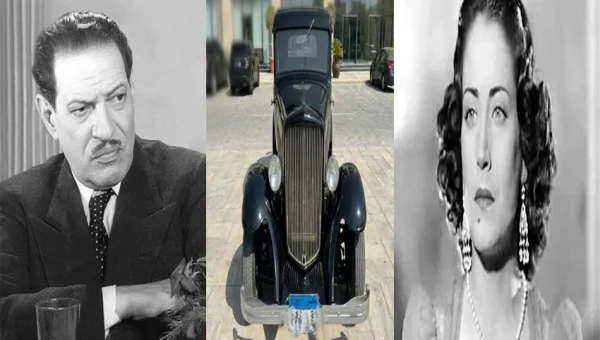
Ford Model 1932: Naguib El-Rihani and Asmahan's Car Ignites a Tuning Revolution
The Ford Model 1932, known as the Deuce, is one of the most prominent classic cars linked to Egyptian art stars like Naguib El-Rihani and Asmahan. With a 3.6-liter V8…
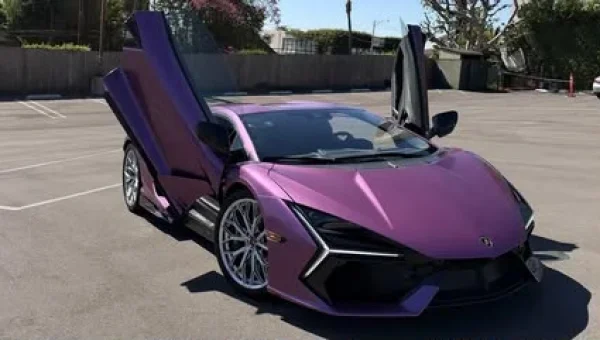
Why Pink and Orange Cars Steal the Spotlight Over Silver and Black
Driving experiments showed that a pink Lamborghini Revuelto drew attention wherever it went, while a silver Bentley Flying Spur went largely unnoticed in Los Angeles. When the writer drove the…
Nissan Patrol vs Toyota Land Cruiser: The Ultimate SUV Showdown
The Nissan Patrol and Toyota Land Cruiser continue their legendary rivalry in the Egyptian market. The Patrol offers a powerful V8 and luxurious interior, while the Land Cruiser boasts a…
After the Nissan Crisis: How to Inspect Your Car and Avoid Post-Sale Headaches
A major crisis involving Nissan vehicles in Egypt has shaken buyer confidence due to delivery delays and subsequent complaints. This guide outlines essential inspection steps before signing, covering body, engine,…
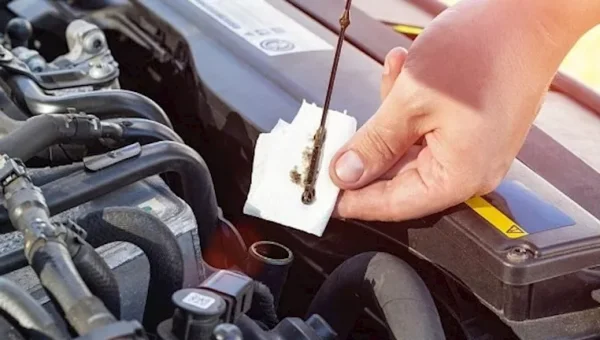
For Beginners: Simple Steps to Correctly Measure Your Car's Engine Oil
Measuring engine oil is a critical maintenance task, yet many drivers get it wrong. Park on a level surface, wait a few minutes after shutting off the engine, then pull…

