

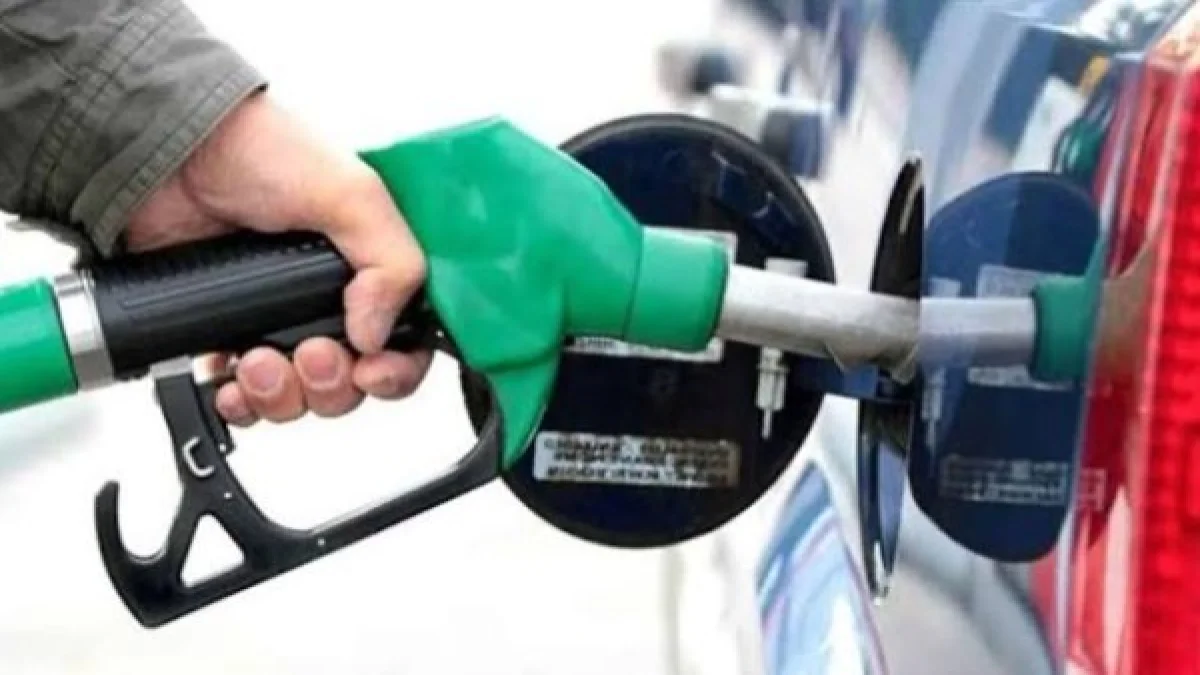
Fuel Consumption Spiked Suddenly? Check These Issues Before Visiting a Mechanic
A sudden increase in fuel consumption may result from simple issues such as low tire pressure, aggressive driving, a dirty air filter, worn spark plugs, or a faulty oxygen sensor. Checking these components regularly improves fuel efficiency and avoids unnecessary repair costs. Don't rush to a mechanic before reviewing these points.
A sudden increase in your car's fuel consumption doesn't always mean a major engine failure. Often, the causes are simple and accumulate with daily use, such as low tire pressure, a dirty air filter, or worn spark plugs. Reviewing these points before heading to a mechanic can save you unnecessary costs.
Low Tire Pressure Wastes Fuel
Driving with under-inflated tires increases rolling resistance, forcing the engine to work harder to move the car and maintain speed. Checking tire pressure regularly and adjusting it to the manufacturer's specifications improves fuel economy, extends tire life, and enhances vehicle stability.
Driving Habits: Aggressive Acceleration and Repeated Braking
Heavy and frequent pressure on the accelerator followed by braking shortly after is one of the most common habits that raise fuel consumption. Smooth driving and maintaining a steady speed reduce engine load, while constant acceleration and aggressive driving in traffic lead to higher fuel use.
Dirty Air Filter and Worn Spark Plugs
The engine needs a proper amount of air for combustion, and a clogged air filter reduces airflow. In modern cars, the control unit can compensate for some of this shortage, but neglecting the filter for long periods can affect performance and increase fuel consumption. Spark plugs are responsible for igniting the air-fuel mixture; when the spark weakens or plugs wear out, combustion may not be efficient, leading to poor acceleration, engine vibration, difficult starting. Noticeably higher fuel consumption.
Oxygen Sensor: The Hidden Culprit
The oxygen sensor is a key component in determining the fuel quantity the engine needs, as it measures the oxygen level in exhaust gases and sends data to the car's computer. When the sensor gives an inaccurate reading, the control unit may increase the fuel amount, raising consumption and possibly triggering the check engine light. Inspecting or replacing this sensor when needed helps restore fuel efficiency.
Frequently Asked Questions
3 questions answered
Related News
View All News
Ford Model 1932: Naguib El-Rihani and Asmahan's Car Ignites a Tuning Revolution
The Ford Model 1932, known as the Deuce, is one of the most prominent classic cars linked to Egyptian art stars like Naguib El-Rihani and Asmahan. With a 3.6-liter V8…

Why Pink and Orange Cars Steal the Spotlight Over Silver and Black
Driving experiments showed that a pink Lamborghini Revuelto drew attention wherever it went, while a silver Bentley Flying Spur went largely unnoticed in Los Angeles. When the writer drove the…
Nissan Patrol vs Toyota Land Cruiser: The Ultimate SUV Showdown
The Nissan Patrol and Toyota Land Cruiser continue their legendary rivalry in the Egyptian market. The Patrol offers a powerful V8 and luxurious interior, while the Land Cruiser boasts a…
After the Nissan Crisis: How to Inspect Your Car and Avoid Post-Sale Headaches
A major crisis involving Nissan vehicles in Egypt has shaken buyer confidence due to delivery delays and subsequent complaints. This guide outlines essential inspection steps before signing, covering body, engine,…
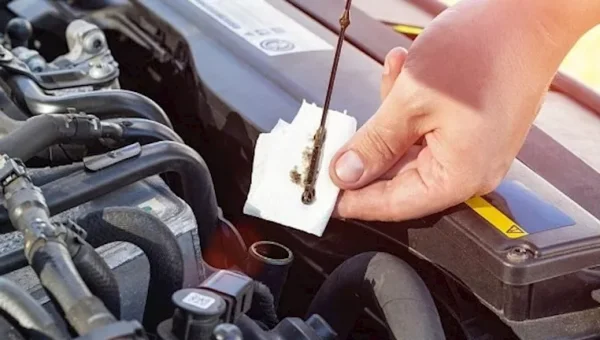
For Beginners: Simple Steps to Correctly Measure Your Car's Engine Oil
Measuring engine oil is a critical maintenance task, yet many drivers get it wrong. Park on a level surface, wait a few minutes after shutting off the engine, then pull…

