

Engine Oil Check: 6 Common Mistakes Ruining Your Dipstick Reading
Checking engine oil is essential for engine health, but common mistakes like parking on a slope or measuring right after shutting off the engine lead to inaccurate readings. The correct method requires level ground, waiting several minutes, and cleaning the dipstick before reinserting it. Overfilling past the maximum mark can cause engine problems, and repeated oil loss may signal a leak or excessive consumption that needs immediate inspection.
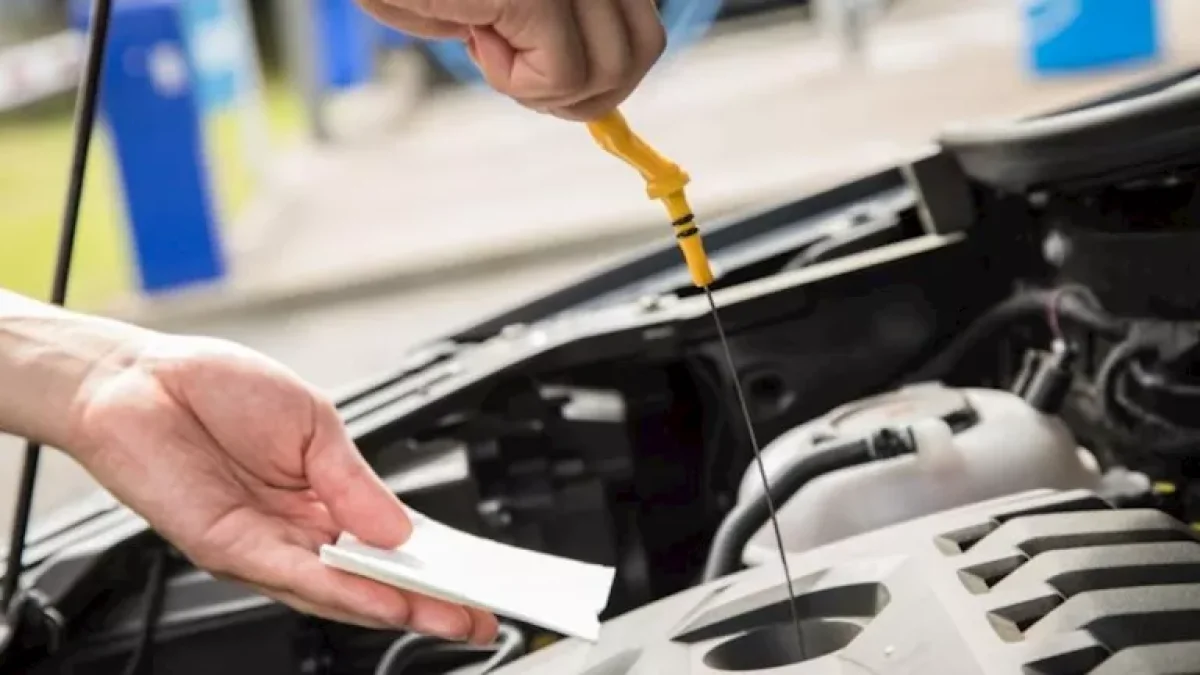
Checking engine oil sounds simple. Most drivers get it wrong. The first mistake happens before you even pull the dipstick — parking on uneven ground. When the car tilts, oil pools to one side of the pan, showing a level that's either too high or too low. The result? A maintenance decision built on a bad number. Since engine oil is the lifeblood of any internal combustion engine, a wrong reading can push you to overfill or ignore a real shortage.
Why a Wrong Reading Backfires
Measuring engine oil demands specific conditions. If the car sits on a slope, or if you check while the engine is still hot, the result doesn't reflect reality. Waiting after shutdown isn't optional — oil needs minutes to drain back into the pan. The right interval varies from one car to another, so checking the owner's manual is essential. Some vehicles need five minutes. Others ask for ten. These small details separate an accurate reading from a misleading one.
The Correct Step-by-Step Method
Start with the car on level ground. Shut off the engine and wait. Open the hood and locate the oil dipstick. Pull it out fully and wipe the tip with a clean cloth. Reinsert it all the way, then pull it again. Check the level — it should sit between the minimum and maximum marks. Don't trust the first reading. Repeat the check twice to confirm. That extra step catches plenty of errors.
Signs You Shouldn't Ignore
Oil color changes with use. If you spot clear debris or an unusual shift in appearance, that's a sign to inspect the car and consult the maintenance schedule. Repeated oil loss after topping up is another red flag — it could mean a leak or excessive consumption. Ignoring these signs shortens engine life. If you drive something like a Toyota Corolla or a Hyundai Elantra, a routine check every 1,000 km saves you from costly surprises.
Common Mistakes That Ruin the Result
Overfilling past the maximum mark is a serious error. Too much oil can cause engine problems — from leaks to internal pressure buildup. Add oil gradually, then recheck. Don't pour the whole amount at once. The rule is clear: a little with repeated checks beats too much with regret. Checking oil while the engine is running is another frequent mistake. The reading will always be low because the oil hasn't returned to the pan yet.
Checking engine oil isn't a luxury. It's the simplest preventive step that protects your engine from early wear. Spend two minutes every couple of weeks, and you'll catch any issue before it grows. Your car doesn't ask for much — but it punishes neglect with a hefty bill.
Frequently Asked Questions
3 questions answered
Related News
View All News
Ford Model 1932: Naguib El-Rihani and Asmahan's Car Ignites a Tuning Revolution
The Ford Model 1932, known as the Deuce, is one of the most prominent classic cars linked to Egyptian art stars like Naguib El-Rihani and Asmahan. With a 3.6-liter V8…

Why Pink and Orange Cars Steal the Spotlight Over Silver and Black
Driving experiments showed that a pink Lamborghini Revuelto drew attention wherever it went, while a silver Bentley Flying Spur went largely unnoticed in Los Angeles. When the writer drove the…
Nissan Patrol vs Toyota Land Cruiser: The Ultimate SUV Showdown
The Nissan Patrol and Toyota Land Cruiser continue their legendary rivalry in the Egyptian market. The Patrol offers a powerful V8 and luxurious interior, while the Land Cruiser boasts a…
After the Nissan Crisis: How to Inspect Your Car and Avoid Post-Sale Headaches
A major crisis involving Nissan vehicles in Egypt has shaken buyer confidence due to delivery delays and subsequent complaints. This guide outlines essential inspection steps before signing, covering body, engine,…
For Beginners: Simple Steps to Correctly Measure Your Car's Engine Oil
Measuring engine oil is a critical maintenance task, yet many drivers get it wrong. Park on a level surface, wait a few minutes after shutting off the engine, then pull…

