

As the Dollar Soars… Where Are Car Prices in Egypt Headed?
The Egyptian pound hit 56 EGP per dollar on October 26, raising foreign currency costs by at least 12%. Egypt's car market saw October price hikes affecting both imported and locally assembled models, with some companies adjusting prices twice in under 10 days. Fully imported vehicles face the most immediate increases, while locally assembled cars feel the impact through imported components, depending on local content ratios and inventory timing.
The dollar hit 56 EGP on October 26. That number puts Egypt's car market under fresh pressure, following a wave of price hikes in October that hit both imported and locally assembled models. The question is no longer whether prices will rise — it's how far and how fast.
How Car Prices React to the Dollar
Exchange rate is a core cost driver. Its impact goes beyond the import value of the vehicle itself — it extends to shipping, insurance, and import-related fees. The dollar climbed from 50 to 56 EGP, raising the cost of securing foreign currency by at least 12%. That isn't a marginal shift.
Some companies adjusted their price lists twice in under 10 days. That tells you how sensitive this market is to currency moves. Firms relying on imported vehicles or components are forced to act quickly to protect margins. Why? Because every new import batch is priced at a higher exchange rate.
Are Locally Assembled Cars Immune?
Fully imported vehicles bear the most direct impact. Their purchase cost from abroad is tied to the exchange rate, especially when new shipments arrive after the currency moves. But Hyundai, Kia, and other local assemblers aren't shielded. Assembly operations depend on imported key components — engines, transmissions, electronic systems. The import ratio varies by model.
The scale of impact depends on reliance on imported parts, the local content ratio, timing of component purchases, and whether a company can draw on inventory secured at a lower cost. That buffer buys time. It doesn't eliminate the increase.
Immediate Hikes… Inevitable or Delayed?
Prices don't always rise the moment the dollar moves. Some companies act within days. Others wait until old stock runs out. But the direction is clear. Egypt's car market is navigating uncertainty over exchange rate trends, and that alone pushes some players to hedge by raising prices early.
Fully imported vehicles face the fastest increases. Toyota, Nissan, and Mitsubishi — brands relying on full imports — will be first to revise price lists. Locally assembled cars may see milder hikes, but they aren't immune. The impact arrives later… yet it arrives.
The equation is simple: every dollar increase raises import costs, and every cost increase finds its way to the consumer's final price. Timing varies. Direction doesn't. Anyone watching the used car market knows hikes spill over within weeks. This wave is still building.
Frequently Asked Questions
3 questions answered
Related News
View All News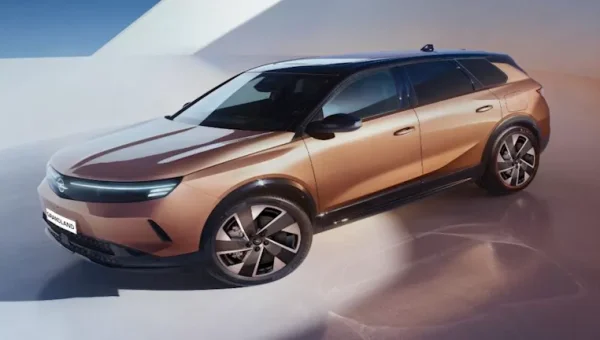
Opel Grandland 2027 in Egypt: EGP 50,000 Price Hike Hits Both Trims
Mansour Automotive Group raised Opel Grandland 2027 prices in Egypt by EGP 50,000 in October. The Topline trim now costs EGP 2,025,000 and Topline+ reaches EGP 2,175,000. The SUV retains…
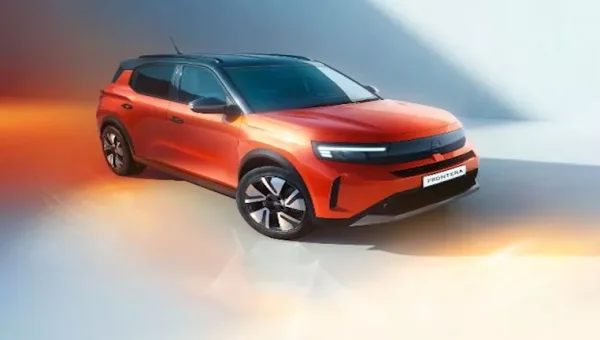
Opel Frontera 2027 Price Jumps EGP 50,000 in Egypt This October
Mansour Automotive Group has raised the price of the Opel Frontera 2027 in Egypt by EGP 50,000 in October, bringing the official price to EGP 1,280,000 from EGP 1,230,000. This…
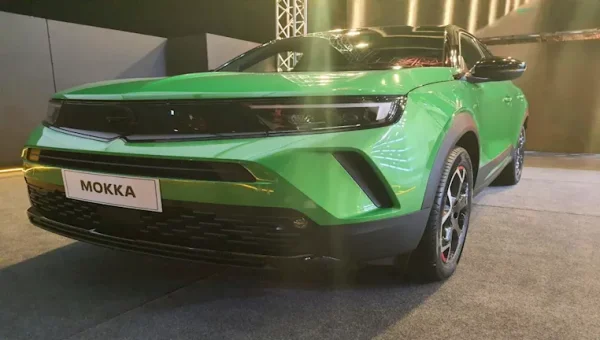
Opel Mokka 2027 Launched in Egypt with EGP 50,000 Price Increase — Specs and Price
Opel's Egyptian distributor has launched the 2027 Mokka at EGP 1,600,000, a EGP 50,000 increase over the 2026 model. The crossover comes in a single trim with a 1.2-liter turbo…
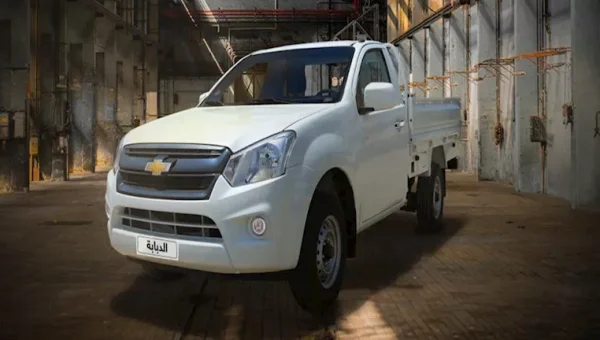
Chevrolet TFR Pickup Price Jumps EGP 40,000 in Egypt — Full Specs and New Pricing
Chevrolet has raised TFR 2027 pickup prices in Egypt by EGP 40,000 this October, with the base trim now at EGP 1,105,000 and the air-conditioned version at EGP 1,205,000. The…
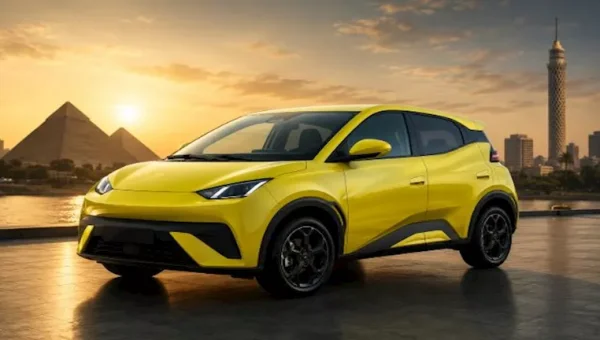
BYD Dolphin Surf 2026: Prices and Specs of Egypt's Cheapest BYD After Latest Hike
ManDream, BYD's exclusive agent in Egypt, has applied price increases across several models, with the Dolphin Surf — the brand's cheapest EV locally — among them. The car uses a…

