

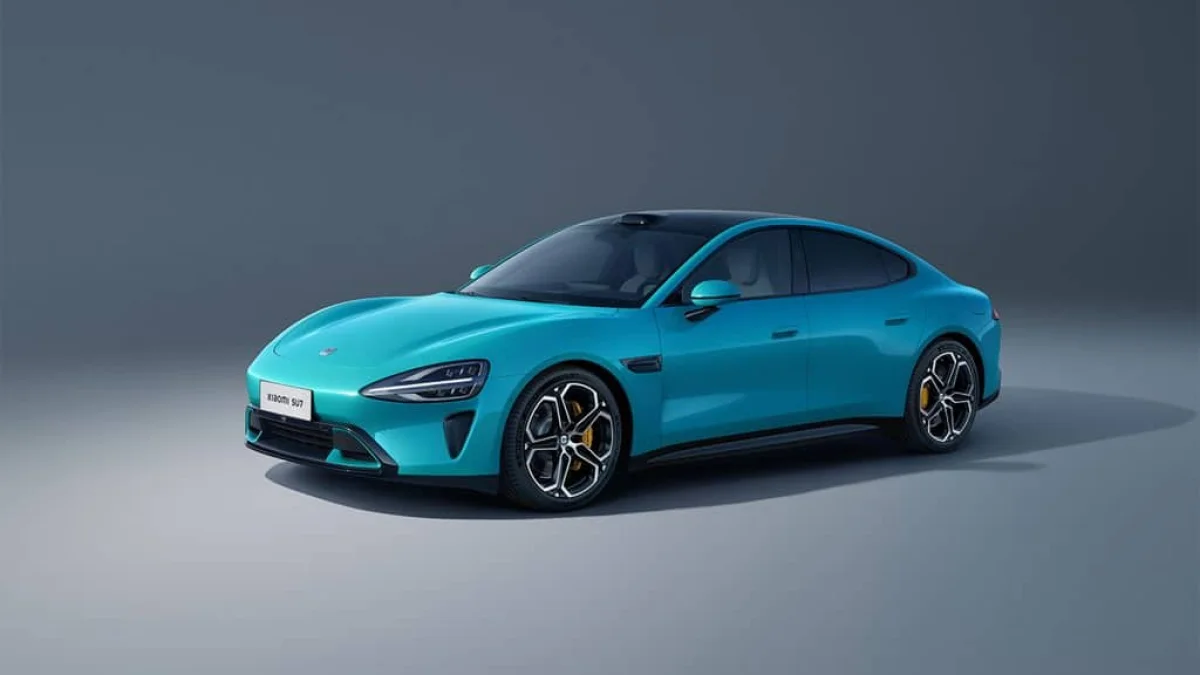
From Phones to Cars: Xiaomi Overtakes Mercedes and Sparks a Tech War in China
The Chinese auto market is witnessing a radical power shift. Tech giant Xiaomi sold over 80,000 cars in six months, a figure dwarfing the meager 1,153 units sold of the Mercedes electric CLA. This success stems from Chinese consumers' growing preference for software, AI, and digital car experiences. Traditional German manufacturers like BMW, Volkswagen, and Porsche now face new challenges in the world's largest car market.
The sales numbers from China paint a very different picture of global competition. Xiaomi electronics giant sold over 80,000 cars in just six months, while Mercedes electric CLA barely managed 1,153 units during the same period.
Why Did the Rules of the Game Change in China?
Chinese consumers aren't chasing traditional luxury or raw engine power anymore. They want a car that functions as a mobile smart device, with advanced software, constant connectivity. Autonomous driving systems that improve through frequent updates. This fundamental shift in priorities has put German giants like BMW, Volkswagen. Porsche under mounting pressure.
The gap isn't just about performance; it's about speed of response to market demands. Companies like Xiaomi and BYD are moving faster in smart car development, leveraging their extensive experience in electronics and software. That's a clear competitive advantage in a world where technology evolves every few months.
Software Triumphs Over Mechanical Engineering
German automakers dominated for decades thanks to precision mechanical engineering, superior build quality, and powerful brand heritage. But the Chinese market now operates on different criteria, where the car transforms into a fully integrated digital platform. The numbers tell this story unmistakably, showing that consumer interest has shifted toward software, artificial intelligence. Not merely engine power or conventional luxury.
Speed of technical updates is the new weapon in this battle. The ability to roll out periodic software updates and improve autonomous driving systems remotely creates a decisive difference. This advantage, which Xiaomi and other rising Chinese players possess, poses an existential challenge to the traditional long-cycle engineering approach of German manufacturers.
The smart car battle in China is more than just commercial competition; it's a radical shift in the very concept of the automobile. Companies that can deliver a fully integrated digital experience and rapid updates will lead the market in the coming phase, while household names built over a century face a true test of adaptability to this new revolution.
Frequently Asked Questions
3 questions answered
Related News
View All News
Yttrium Crisis Hits Global Supply Chains, Threatens Auto and Aviation Industries as Japan and US Face Rare Earth Test
The yttrium crisis is escalating after China's rare earth export restrictions, threatening Japan's stockpiles within months. Yttrium oxide prices have reached $1,150 per kilogram outside China versus just $9 inside…
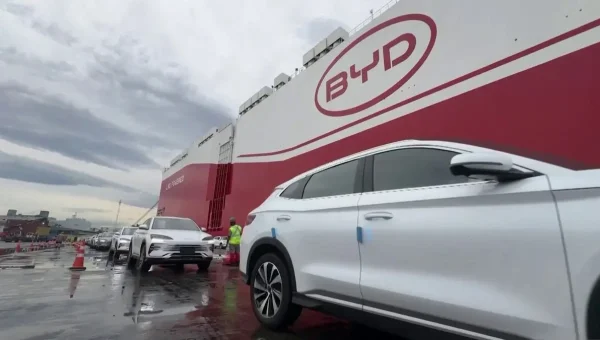
BYD Ignites German Price War with 32% Discount, Challenging Volkswagen and Mercedes
BYD offered discounts of 27.5% and 31.8% on its plug-in hybrid models in Germany during August. The company captured 10.7% of the market in July, taking fourth place. Discounts exceeded…
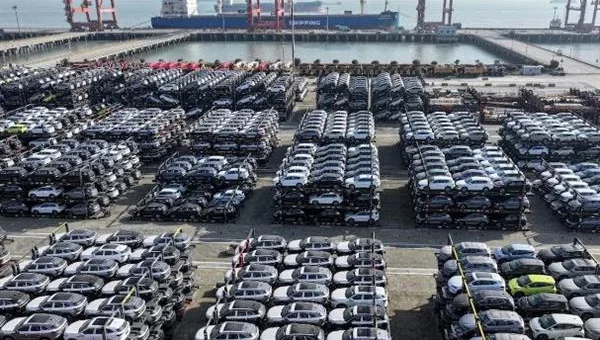
Mercedes, BMW, Volkswagen, and Porsche Sales Collapse 40% in China
German automotive giants saw sales in China plunge between 30% and 40% during parts of this year, outpacing the overall market's 20% contraction. The development cycle gap — 18 months…
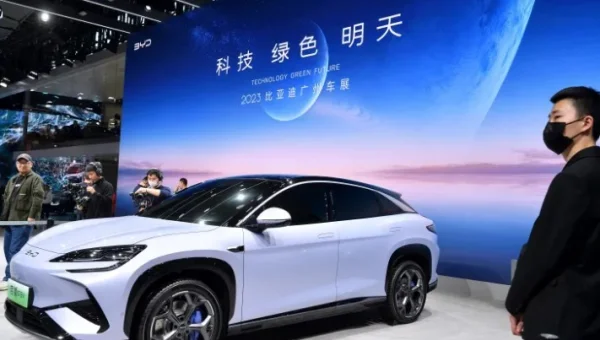
China Car Sales Set to Drop to 18.5 Million Units in 2026
Passenger car sales in China are projected to drop to 18.5 million units in 2026, down from 23.7 million in 2025. Forecasts point to a limited 2% recovery in 2027…
Hyundai Hydrogen Sales Surpass 50,000 Units in Korea
Hyundai Motor's cumulative hydrogen fuel cell vehicle sales in South Korea have exceeded 50,262 units as of the end of September. The Nexo SUV, launched in 2018, accounts for the…

