

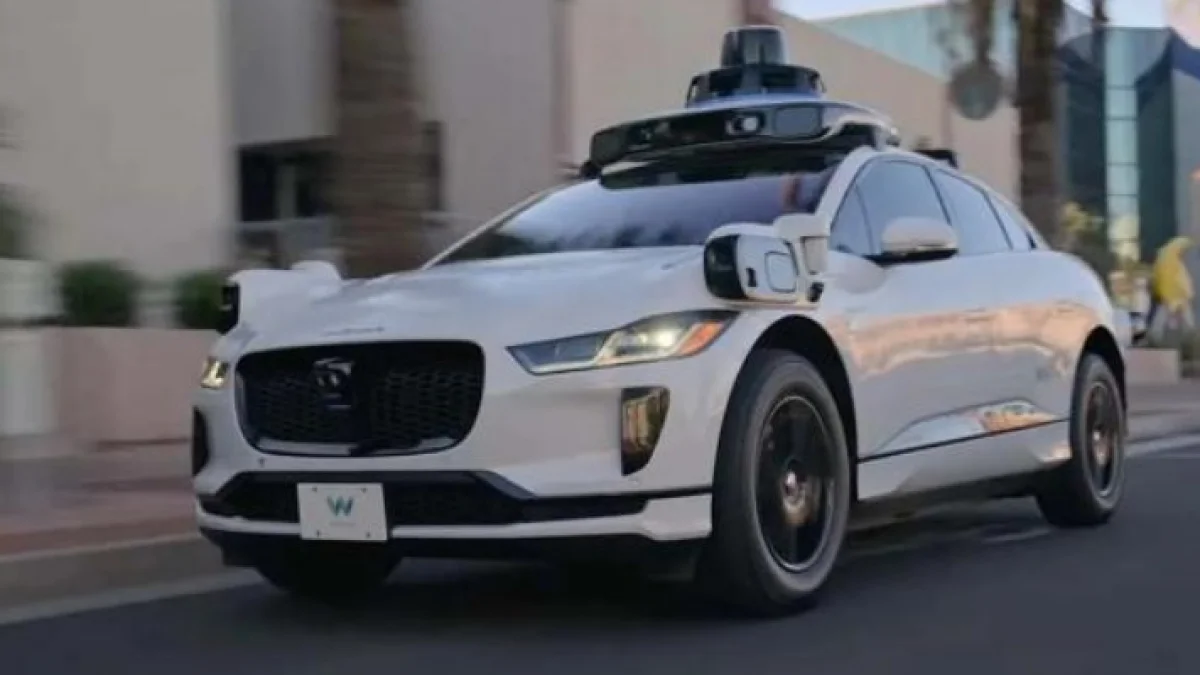
Waymo Targets First Commercial Robotaxi Service in Japan by 2027
Waymo aims to launch Japan's first fully commercial robotaxi service in Tokyo by 2027 in partnership with GO and Nihon Kotsu. The service will be driverless from day one, starting with a small fleet that will gradually expand to around 100 vehicles. Waymo began collecting data in Tokyo in 2025 using Jaguar I-PACE cars. The project targets Japan's growing driver shortage.
Waymo, Alphabet's self-driving unit, aims to launch Japan's first fully commercial robotaxi service in Tokyo by 2027. The plan is a partnership with Japanese taxi app operator GO and Nihon Kotsu. The service will operate without drivers once regulatory approvals are secured.
Fleet Starts Small, Scales to 100 Vehicles
The three companies plan to begin with a small fleet of vehicles. From there, they will gradually expand to around 100 cars across several key wards of the Japanese capital. This expansion depends on completing verification of Waymo technology and the service operating model, alongside obtaining regulatory approvals.
Booking Rides Through Mobile Apps
Once approvals are complete and the system is confirmed ready, customers will be able to book rides through the GO and Waymo apps. Tekedra Mawakana, co-CEO of Waymo, said at a joint press conference in Tokyo that the service will be "driverless for the public from day one." She stressed that the company will expand the fleet gradually and responsibly until anyone in Tokyo can use the app and request a ride.
Waymo Strengthens Its Japan Presence
This project marks the latest step in Waymo's expansion strategy within Japan. The company began collecting data in Tokyo during 2025 using Jaguar I-PACE vehicles driven by humans. Those were its first public operations on roads outside the United States. The initial trials helped Waymo understand Japanese driving behavior and the challenges of Tokyo's roads.
Betting on Solving Driver Shortages
The three companies are betting that robotaxis can help address Japan's growing shortage of drivers. Challenges linked to population decline are increasing pressure on the transportation sector. Services like this could offer a practical solution for maintaining mobility in major cities. The business model relies on reducing dependence on human labor while maintaining service levels.
The move reflects a broader shift in the global transportation industry. Waymo is positioning itself ahead in the Asian market. But success depends on the company's ability to meet Japan's strict regulatory requirements. The 2027 timeline gives the team enough time to test and refine the system before full commercial launch.
Frequently Asked Questions
3 questions answered
Related News
View All News
Yttrium Crisis Hits Global Supply Chains, Threatens Auto and Aviation Industries as Japan and US Face Rare Earth Test
The yttrium crisis is escalating after China's rare earth export restrictions, threatening Japan's stockpiles within months. Yttrium oxide prices have reached $1,150 per kilogram outside China versus just $9 inside…
BYD Ignites German Price War with 32% Discount, Challenging Volkswagen and Mercedes
BYD offered discounts of 27.5% and 31.8% on its plug-in hybrid models in Germany during August. The company captured 10.7% of the market in July, taking fourth place. Discounts exceeded…
Mercedes, BMW, Volkswagen, and Porsche Sales Collapse 40% in China
German automotive giants saw sales in China plunge between 30% and 40% during parts of this year, outpacing the overall market's 20% contraction. The development cycle gap — 18 months…
China Car Sales Set to Drop to 18.5 Million Units in 2026
Passenger car sales in China are projected to drop to 18.5 million units in 2026, down from 23.7 million in 2025. Forecasts point to a limited 2% recovery in 2027…

Hyundai Hydrogen Sales Surpass 50,000 Units in Korea
Hyundai Motor's cumulative hydrogen fuel cell vehicle sales in South Korea have exceeded 50,262 units as of the end of September. The Nexo SUV, launched in 2018, accounts for the…

