

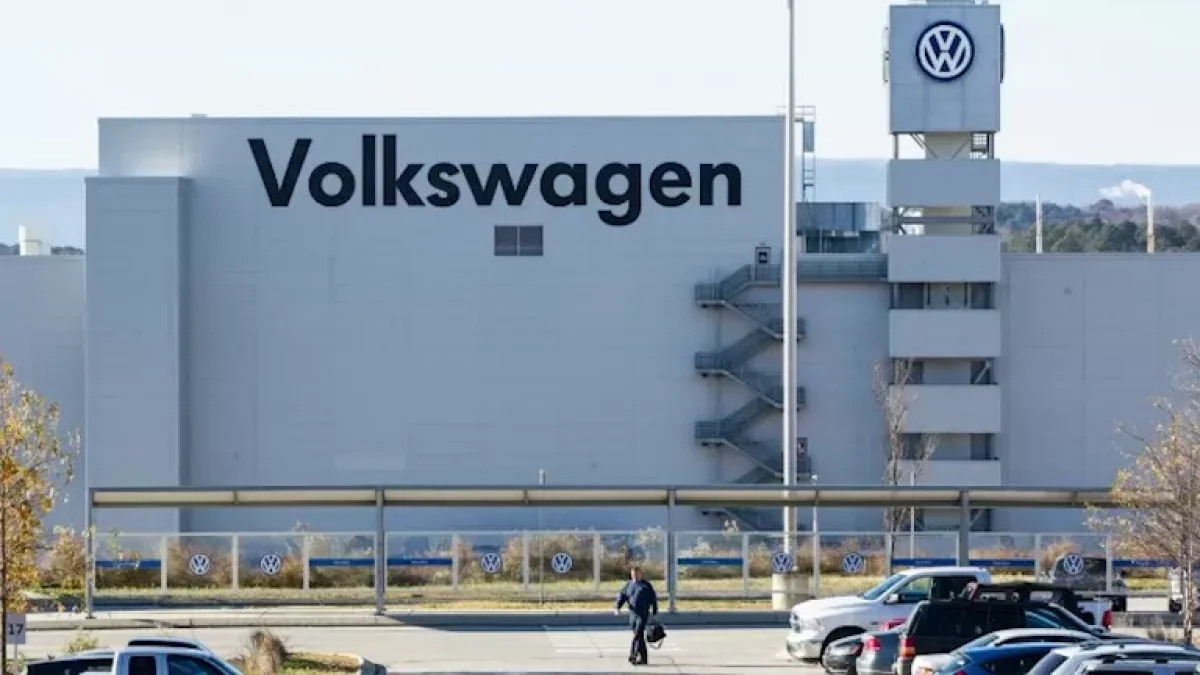
Volkswagen Plans to Shut Down 4 German Plants by 2034
Volkswagen's management board plans to propose ending production at four German factories from 2031 to 2034, according to documents reviewed by WirtschaftsWoche magazine. Emden and Zwickau close first in 2031, followed by Hanover in 2032, with Neckarsulm shutting down last in 2034. The company declined to comment on the leaked supervisory board documents.
A new report reveals that Volkswagen's management board intends to propose ending production at four German facilities, with closures stretching from 2031 through 2034. German business magazine WirtschaftsWoche reviewed internal documents prepared for the company's supervisory board, outlining a phased shutdown across the country.
The Closure Timeline for Volkswagen's German Plants
Emden and Zwickau plants will halt production first in 2031, followed by the Hanover facility a year later. Neckarsulm keeps running until 2034, longer than any other site on the list. Four factories. Billions in potential savings. The plan touches thousands of jobs and marks one of the most dramatic restructuring moves in the company's history, though Volkswagen has yet to confirm anything officially.
A company spokesperson said Volkswagen doesn't comment on the contents of supervisory board documents, declining to elaborate on what these locations might become once manufacturing ends. The leaked paperwork apparently doesn't specify whether the sites would be repurposed, sold, or dismantled entirely — leaving workers and local governments in limbo while the automaker weighs its options.
Why Volkswagen Faces Mounting Pressure in Germany
German car manufacturing carries heavy burdens these days — rising energy costs and expensive labor make domestic production less competitive against factories elsewhere. Chinese automakers are flooding the electric vehicle market with affordable models, squeezing margins for established European players like Volkswagen that once dominated the segment. The shift toward EVs isn't just about technology; it's rewiring consumer demand patterns across Europe's biggest auto market.
Volkswagen's restructuring efforts in Germany have been building for months, with cost-cutting programs aimed at boosting competitiveness amid what analysts describe as structural challenges rather than temporary hiccups. The company has already announced streamlining initiatives, but closing entire plants signals a deeper transformation of its industrial footprint in a country where automotive remains an economic cornerstone. Vehicle prices are expected to face more pressure as automakers across the continent pursue similar efficiency drives, potentially reshaping what German buyers can afford in the coming decade. The decisions made now will determine how VW navigates the transition while keeping its heritage brand intact through one of the most turbulent periods the industry has ever seen.
Frequently Asked Questions
3 questions answered
Related News
View All News
Yttrium Crisis Hits Global Supply Chains, Threatens Auto and Aviation Industries as Japan and US Face Rare Earth Test
The yttrium crisis is escalating after China's rare earth export restrictions, threatening Japan's stockpiles within months. Yttrium oxide prices have reached $1,150 per kilogram outside China versus just $9 inside…
BYD Ignites German Price War with 32% Discount, Challenging Volkswagen and Mercedes
BYD offered discounts of 27.5% and 31.8% on its plug-in hybrid models in Germany during August. The company captured 10.7% of the market in July, taking fourth place. Discounts exceeded…
Mercedes, BMW, Volkswagen, and Porsche Sales Collapse 40% in China
German automotive giants saw sales in China plunge between 30% and 40% during parts of this year, outpacing the overall market's 20% contraction. The development cycle gap — 18 months…
China Car Sales Set to Drop to 18.5 Million Units in 2026
Passenger car sales in China are projected to drop to 18.5 million units in 2026, down from 23.7 million in 2025. Forecasts point to a limited 2% recovery in 2027…
Hyundai Hydrogen Sales Surpass 50,000 Units in Korea
Hyundai Motor's cumulative hydrogen fuel cell vehicle sales in South Korea have exceeded 50,262 units as of the end of September. The Nexo SUV, launched in 2018, accounts for the…

