


Volkswagen Considers Cutting 100,000 Jobs in Largest Restructuring in European Auto History
Volkswagen Group is considering one of the most extensive restructuring plans in the history of the European automotive industry, which may involve cutting up to 100,000 jobs and halting production or closing several plants in Germany, as part of a cost-reduction strategy to regain competitiveness against Chinese rivals. According to news reports, the figure is not yet a final decision but a proposal under discussion within the group, facing strong opposition from worker representatives and lacking final approvals from company authorities.
Chinese Competition Hits the Group's Key Market
Volkswagen faces mounting pressure in the Chinese market, which for years was one of its primary sources of sales and profits, after local companies such as BYD, Geely, and Xiaomi succeeded in offering more advanced electric vehicles at competitive prices. The rise of Chinese brands has eroded the market share of foreign automakers in China, while these same competitors are expanding into Europe, presenting the German group with a dual challenge both in its largest market and abroad.
The group's global deliveries fell by 8.6% in the second quarter of 2026, while the decline in China exceeded 36%, increasing pressure on management to accelerate cost-cutting and capacity reduction measures. The need for deep restructuring has become urgent as the global automotive landscape shifts, with China transforming from a key market into a direct competitive threat.
100,000 Jobs at Risk
The proposals being circulated suggest a doubling of previous workforce reduction plans, potentially eliminating around 100,000 jobs globally in the coming years. This figure represents roughly one-sixth of the group's total workforce, making the plan, if implemented, one of the largest waves of layoffs in automotive industry history. However, Volkswagen has refrained from officially confirming the number, stating that discussions are still ongoing and that any final decisions require internal approvals and negotiations with employee representatives.
Four German Plants in Jeopardy
Scenarios under consideration include halting production or finding new uses for four German plants, with facilities in Hanover, Emden, Zwickau, and Neckarsulm reportedly among those potentially affected. This does not necessarily mean permanent closures, as the group is exploring options to convert some plants for other models, bring in new partners, or repurpose them for different industrial activities, aiming to mitigate the social and economic impact of the planned restructuring.
Related News
View All News
Yttrium Crisis Hits Global Supply Chains, Threatens Auto and Aviation Industries as Japan and US Face Rare Earth Test
The yttrium crisis is escalating after China's rare earth export restrictions, threatening Japan's stockpiles within months. Yttrium oxide prices have reached $1,150 per kilogram outside China versus just $9 inside…
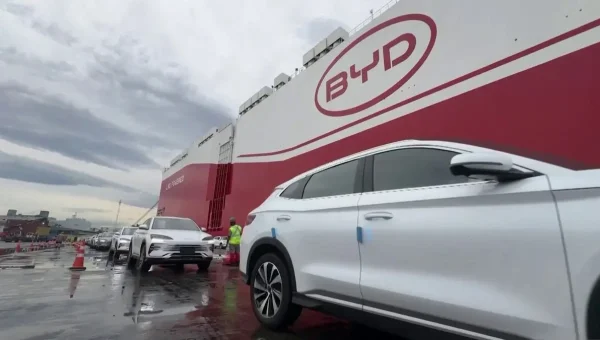
BYD Ignites German Price War with 32% Discount, Challenging Volkswagen and Mercedes
BYD offered discounts of 27.5% and 31.8% on its plug-in hybrid models in Germany during August. The company captured 10.7% of the market in July, taking fourth place. Discounts exceeded…
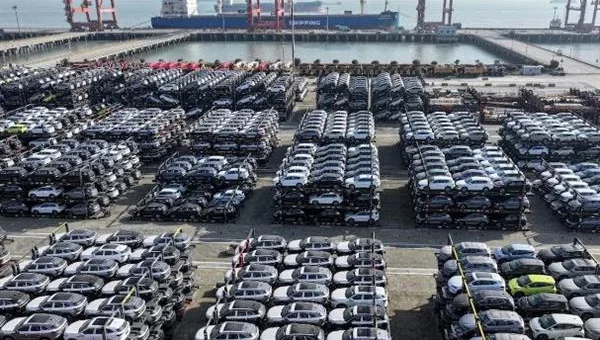
Mercedes, BMW, Volkswagen, and Porsche Sales Collapse 40% in China
German automotive giants saw sales in China plunge between 30% and 40% during parts of this year, outpacing the overall market's 20% contraction. The development cycle gap — 18 months…
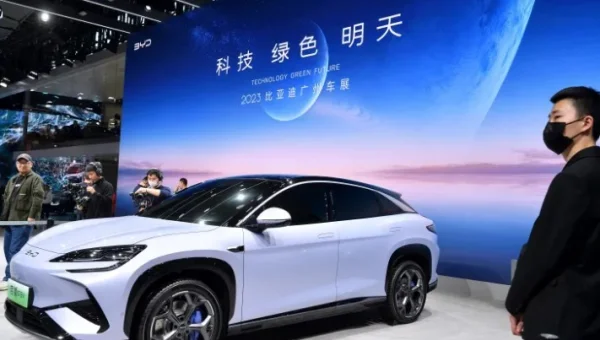
China Car Sales Set to Drop to 18.5 Million Units in 2026
Passenger car sales in China are projected to drop to 18.5 million units in 2026, down from 23.7 million in 2025. Forecasts point to a limited 2% recovery in 2027…
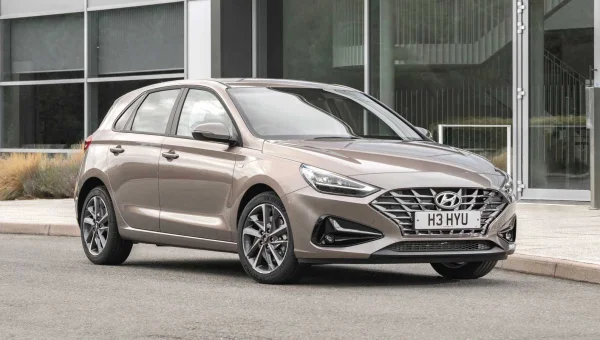
Hyundai Hydrogen Sales Surpass 50,000 Units in Korea
Hyundai Motor's cumulative hydrogen fuel cell vehicle sales in South Korea have exceeded 50,262 units as of the end of September. The Nexo SUV, launched in 2018, accounts for the…

