

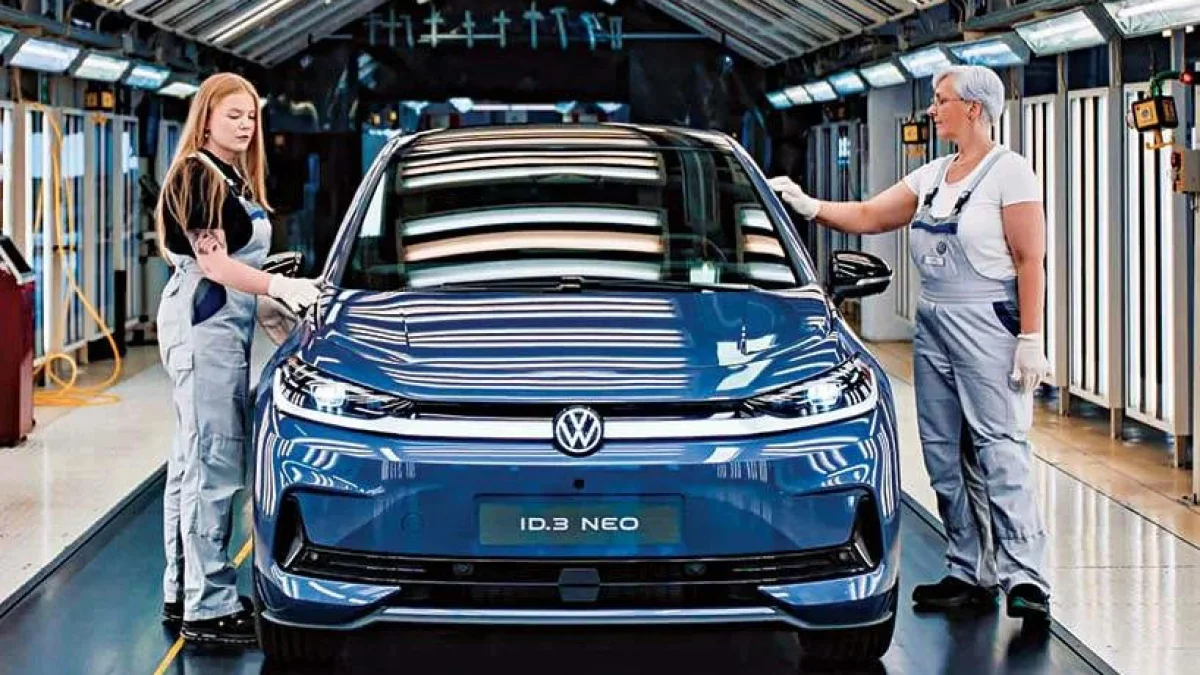
Volkswagen Sales Crash 38.5% in China, Pivots to Global Export Hub
Volkswagen announced a strategic shift in China from a domestic-focused approach to a global export hub under the banner 'In China, Beyond China.' The decision follows a 38.5% sales drop in China during Q3, with only 405,800 vehicles sold. The automaker plans to use its Chinese joint ventures to enter markets in southwest Asia, southern Africa, and South America.
Volkswagen sold just 405,800 vehicles in China during Q3 — a 38.5% drop that accounts for over 80% of the company's total global sales decline. The number is brutal. It forced the German giant into a strategic pivot nobody saw coming this fast.
From 'In China for China' to 'In China, Beyond China'
The company announced Wednesday a radical shift in its China strategy. The new direction is called 'In China, Beyond China.' The goal is clear — turn Beijing from a massive consumer market into a primary hub for innovation and export serving Volkswagen's entire global operation. China is no longer just a market.
Volkswagen is battling weak demand in the world's largest auto market while Chinese manufacturers ramp up competition abroad. The German automaker plans to leverage its Chinese joint ventures to enter new markets across southwest Asia, southern Africa, and South America.
Chinese Exports to the Rescue
Volkswagen already exports China-built cars to Middle Eastern countries, Kazakhstan, and Uzbekistan. Data from the China Passenger Car Association shows the overall Chinese market fell 21.7% in the first nine months of the year. But exports jumped 73.7% in September alone — the exact strategy the association is pushing to offset domestic stagnation.
The shift extends beyond Volkswagen. The entire industry is redrawing its map. Chinese brands are sweeping emerging markets with aggressive pricing and advanced EV technology, putting immense pressure on legacy European automakers that fell behind on electrification.
What This Means for Volkswagen in Egypt and the Region
Export-driven production from China could reshape pricing dynamics in markets like Egypt. Chinese joint-venture factories can build cars at lower cost — and that may eventually reflect on Volkswagen prices across the region. One question remains: can the company regain its footing before the train leaves the station?
Frequently Asked Questions
3 questions answered
Related News
View All News
Hyundai Motor India Loses Nearly 24% of Profits Despite Revenue Growth
Hyundai Motor India's net profit fell 24% to 11.96 billion rupees in the quarter ended September 30. Raw material costs pushed total expenses to 193.02 billion rupees, while operating revenue…

Yttrium Crisis Hits Global Supply Chains, Threatens Auto and Aviation Industries as Japan and US Face Rare Earth Test
The yttrium crisis is escalating after China's rare earth export restrictions, threatening Japan's stockpiles within months. Yttrium oxide prices have reached $1,150 per kilogram outside China versus just $9 inside…
BYD Ignites German Price War with 32% Discount, Challenging Volkswagen and Mercedes
BYD offered discounts of 27.5% and 31.8% on its plug-in hybrid models in Germany during August. The company captured 10.7% of the market in July, taking fourth place. Discounts exceeded…
Mercedes, BMW, Volkswagen, and Porsche Sales Collapse 40% in China
German automotive giants saw sales in China plunge between 30% and 40% during parts of this year, outpacing the overall market's 20% contraction. The development cycle gap — 18 months…
China Car Sales Set to Drop to 18.5 Million Units in 2026
Passenger car sales in China are projected to drop to 18.5 million units in 2026, down from 23.7 million in 2025. Forecasts point to a limited 2% recovery in 2027…

