

US Gas Prices Return to $4 Per Gallon Amid Rising Tensions
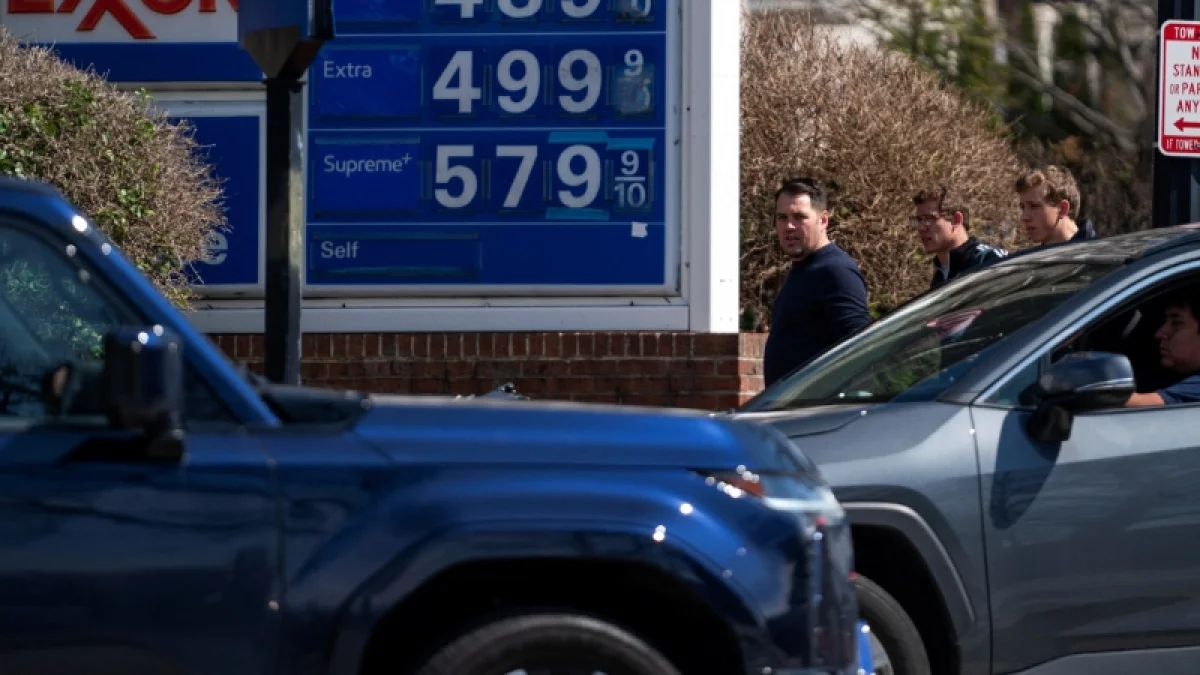
The average price of gasoline in the United States has climbed back above the $4-per-gallon mark, as escalating hostilities between the U.S. and Iran drive energy costs higher. The American Automobile Association reported that the national average for a gallon of regular gasoline reached $4 on Monday, compared to just $3.14 during the same period last year, highlighting the impact of geopolitical tensions on global energy markets.
Price Variations Across States
This price represents a national average, meaning drivers in some states have been paying more than $4 per gallon for some time, while others are paying less. Prices vary from state to state depending on several factors, including proximity to supply locations and differing tax rates. People around the world are also experiencing rising gasoline prices as a result of the conflict, adding further strain to the global economy.
Historical Price Trends
The average price of gasoline first exceeded the $4-per-gallon threshold in late March before falling below that level in mid-June. The decline continued as crude oil prices dropped following a temporary agreement between the United States and Iran. However, U.S. President Donald Trump expressed dissatisfaction that gasoline prices have not fallen as quickly as oil prices, raising questions about energy pricing mechanisms.
Impact on Daily Life and Politics
The cost of living and affordability are likely to become key issues for American voters during the midterm congressional elections, as higher gasoline and oil prices can drive up the cost of food and other products. This adds further burdens on American households. Oil prices have risen again recently as the U.S. and Iran move closer to resuming an all-out war.
Oil Market Movements
Crude oil prices saw significant gains on Monday, with Brent crude, the international benchmark, rising 3.2% to reach $90.95 per barrel. Meanwhile, U.S. West Texas Intermediate crude increased by 2.8% to $84.04 per barrel, reflecting market anxiety over any new military escalation that could threaten energy supplies.
Related News
View All News
Yttrium Crisis Hits Global Supply Chains, Threatens Auto and Aviation Industries as Japan and US Face Rare Earth Test
The yttrium crisis is escalating after China's rare earth export restrictions, threatening Japan's stockpiles within months. Yttrium oxide prices have reached $1,150 per kilogram outside China versus just $9 inside…

BYD Ignites German Price War with 32% Discount, Challenging Volkswagen and Mercedes
BYD offered discounts of 27.5% and 31.8% on its plug-in hybrid models in Germany during August. The company captured 10.7% of the market in July, taking fourth place. Discounts exceeded…
Mercedes, BMW, Volkswagen, and Porsche Sales Collapse 40% in China
German automotive giants saw sales in China plunge between 30% and 40% during parts of this year, outpacing the overall market's 20% contraction. The development cycle gap — 18 months…

China Car Sales Set to Drop to 18.5 Million Units in 2026
Passenger car sales in China are projected to drop to 18.5 million units in 2026, down from 23.7 million in 2025. Forecasts point to a limited 2% recovery in 2027…

Hyundai Hydrogen Sales Surpass 50,000 Units in Korea
Hyundai Motor's cumulative hydrogen fuel cell vehicle sales in South Korea have exceeded 50,262 units as of the end of September. The Nexo SUV, launched in 2018, accounts for the…

