

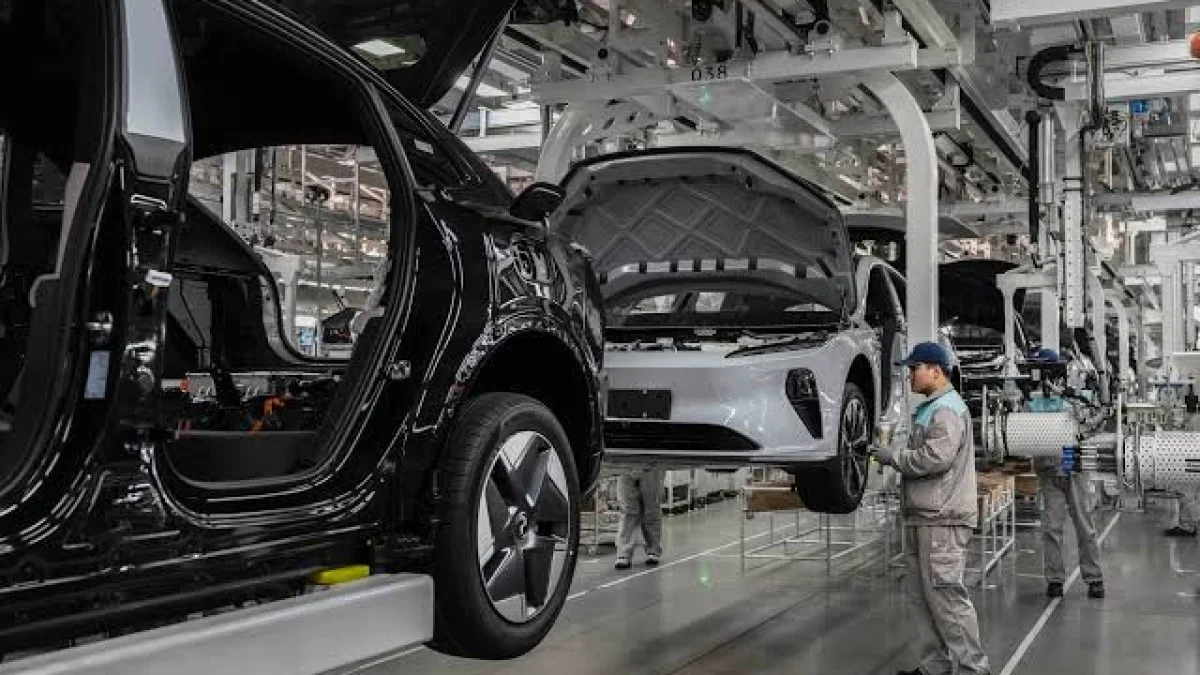
US Commerce Secretary Accuses China of Igniting Global EV Price War
Washington is firing new shots at China's electric vehicle industry. US Commerce Secretary Howard Lutnick revealed that Beijing relies on a massive state-backed production surplus, threatening European automakers and redrawing the global competitive map with prices that are hard to match.
An Economic Model Built on Production Surplus
The Commerce Secretary explained that the Chinese economy operates on a surplus-production model. Local governments across China are racing to establish EV companies with substantial state financial backing. Every province has at least two companies, and all are competing to produce the most successful one.
This approach didn't emerge from nowhere. China lacks sufficient oil and natural gas resources, making EV manufacturing a strategic priority. The result is a massive number of fiercely competing companies, all receiving government subsidies that allow them to significantly cut prices.
Prices Below Actual Cost
Government support allows some companies to sell cars at prices far below their actual production costs. A vehicle costing around $30,000 to produce may be offered in European markets for just $15,000. The goal is clear: capture market share and push competitors aside.
These policies are putting major European automakers under increasing pressure. Volkswagen is among the most affected, struggling to compete with Chinese cars on price despite their attractive features and specifications.
Market-Dumping Strategy
Lutnick stressed that China aims to export its production surplus to global markets through what he described as a "market-dumping" policy. This model, driven by intensive production and state support, has become one of the most significant challenges facing the global automotive industry today.
Related News
View All News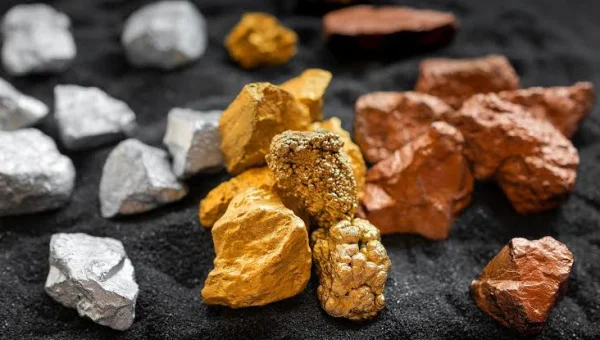
Yttrium Crisis Hits Global Supply Chains, Threatens Auto and Aviation Industries as Japan and US Face Rare Earth Test
The yttrium crisis is escalating after China's rare earth export restrictions, threatening Japan's stockpiles within months. Yttrium oxide prices have reached $1,150 per kilogram outside China versus just $9 inside…
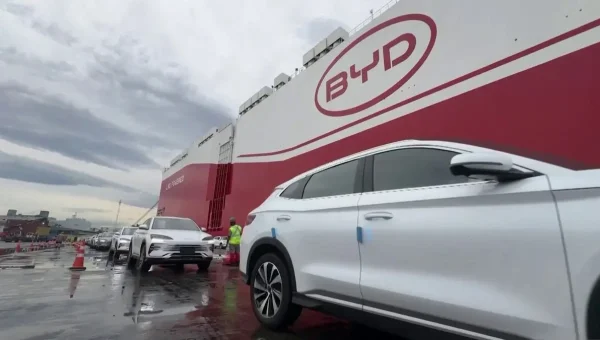
BYD Ignites German Price War with 32% Discount, Challenging Volkswagen and Mercedes
BYD offered discounts of 27.5% and 31.8% on its plug-in hybrid models in Germany during August. The company captured 10.7% of the market in July, taking fourth place. Discounts exceeded…
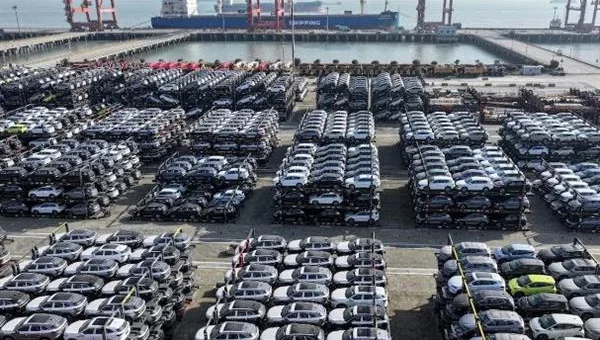
Mercedes, BMW, Volkswagen, and Porsche Sales Collapse 40% in China
German automotive giants saw sales in China plunge between 30% and 40% during parts of this year, outpacing the overall market's 20% contraction. The development cycle gap — 18 months…
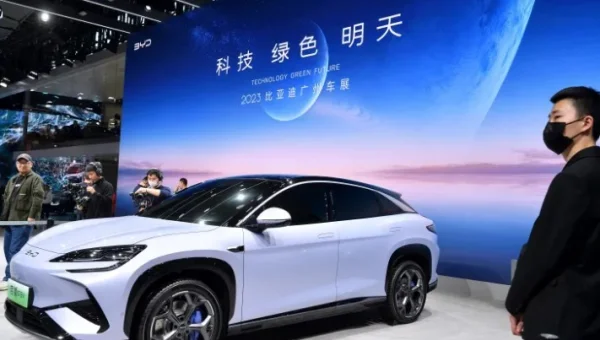
China Car Sales Set to Drop to 18.5 Million Units in 2026
Passenger car sales in China are projected to drop to 18.5 million units in 2026, down from 23.7 million in 2025. Forecasts point to a limited 2% recovery in 2027…
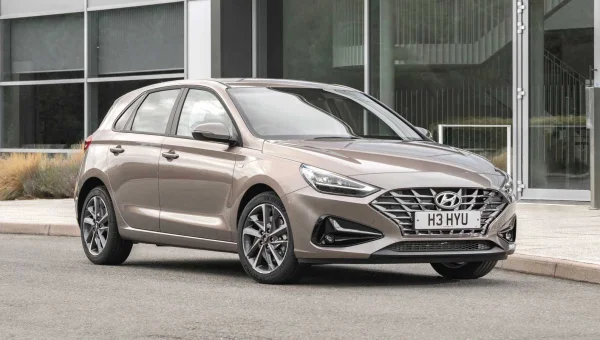
Hyundai Hydrogen Sales Surpass 50,000 Units in Korea
Hyundai Motor's cumulative hydrogen fuel cell vehicle sales in South Korea have exceeded 50,262 units as of the end of September. The Nexo SUV, launched in 2018, accounts for the…

