

UK Rethinks EV Strategy: 4 New Pathways to 2035
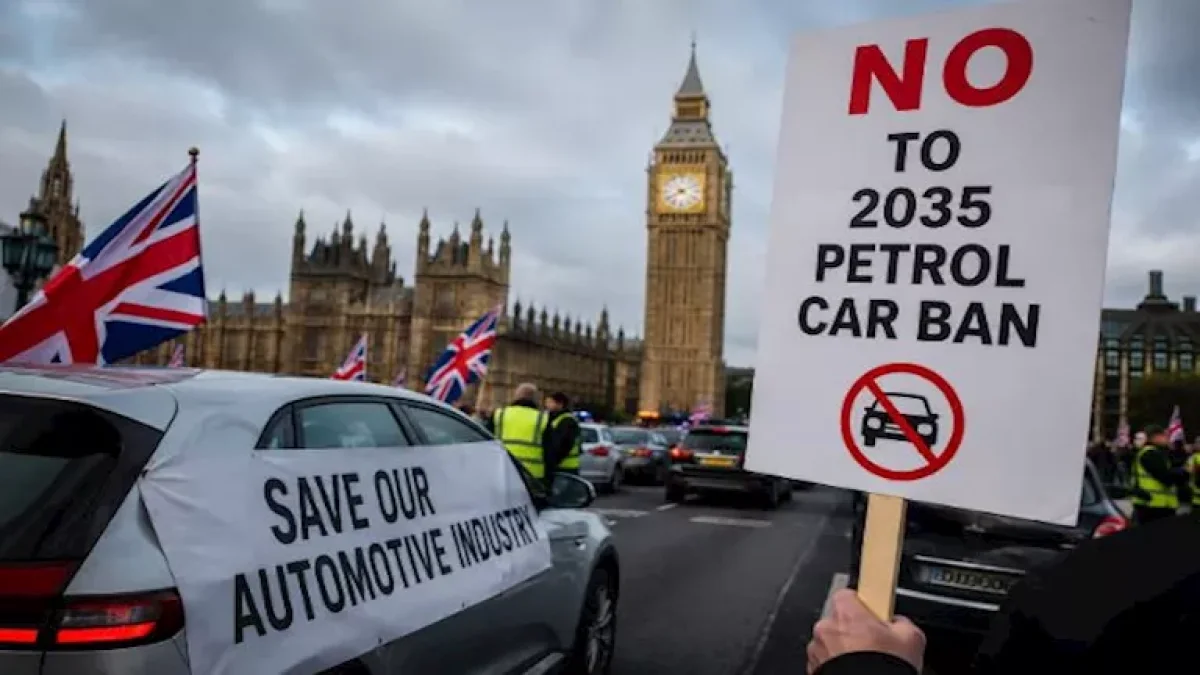
The UK government has begun reviewing its zero-emission vehicle mandate through four proposed alternative pathways. Three pathways keep the 2035 ban but lower the 2030 target to 50% instead of 80%. A fourth pathway suggests keeping current targets with added flexibility for automakers. The review comes amid supply chain disruptions and weak consumer demand.
The UK government has launched a comprehensive review of its zero-emission vehicle mandate, aiming to ease mounting pressure on automakers facing demand challenges and global supply chain disruptions. This strategic shift comes at a critical time for the European automotive sector.
The current numbers are ambitious, to say the least. Rules introduced in 2024 require manufacturers to progressively increase their zero-emission vehicle share, with electric cars expected to represent 33% of new sales by 2026, rising to 80% by 2030, and reaching a complete 100% by 2035.
Government Consultation Details
On Friday, the government opened consultations with the automotive industry to explore four alternative pathways for adjusting EV transition targets while preserving the overall direction toward emissions reduction. This move represents a tacit acknowledgment of the difficulties companies face in meeting current goals.
The four pathways offer distinctly different approaches to addressing today's challenges. Three of these maintain the 2035 end-date for new zero-emission sales but reduce the interim 2030 target to 50% instead of 80% — a significant adjustment that reflects current market realities.
The Fourth Pathway: Flexibility First
The fourth pathway takes a fundamentally different approach. It proposes keeping existing targets intact while introducing greater flexibility to help automakers achieve required percentages and comply with regulations — a solution favored by most major manufacturers.
Automakers face mounting challenges in the current climate. Supply chain disruptions and weak consumer demand for electric vehicles make achieving current targets increasingly difficult. The industry also grapples with uncertainty surrounding global trade and tariff policies, compounded by economic pressures squeezing markets across Europe.
A final decision is expected in the coming weeks, with these consultations representing a golden opportunity to recalibrate policies in line with market dynamics while maintaining the UK's long-standing environmental commitments.
Frequently Asked Questions
3 questions answered
Related News
View All News
Yttrium Crisis Hits Global Supply Chains, Threatens Auto and Aviation Industries as Japan and US Face Rare Earth Test
The yttrium crisis is escalating after China's rare earth export restrictions, threatening Japan's stockpiles within months. Yttrium oxide prices have reached $1,150 per kilogram outside China versus just $9 inside…
BYD Ignites German Price War with 32% Discount, Challenging Volkswagen and Mercedes
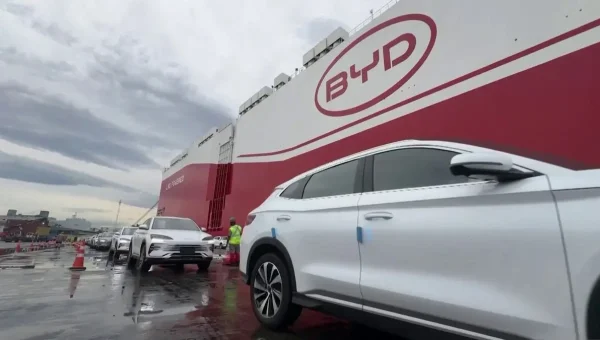
BYD offered discounts of 27.5% and 31.8% on its plug-in hybrid models in Germany during August. The company captured 10.7% of the market in July, taking fourth place. Discounts exceeded…
Mercedes, BMW, Volkswagen, and Porsche Sales Collapse 40% in China
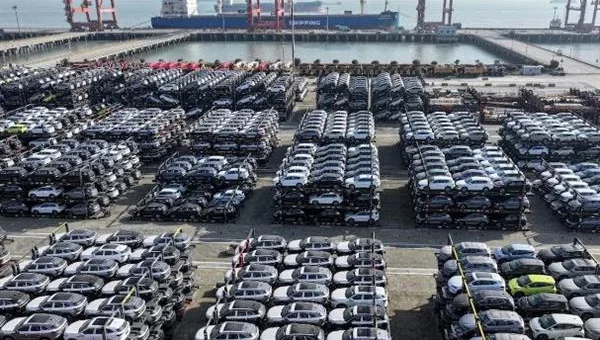
German automotive giants saw sales in China plunge between 30% and 40% during parts of this year, outpacing the overall market's 20% contraction. The development cycle gap — 18 months…
China Car Sales Set to Drop to 18.5 Million Units in 2026
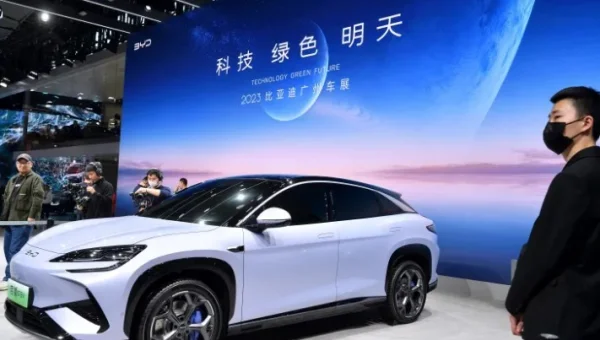
Passenger car sales in China are projected to drop to 18.5 million units in 2026, down from 23.7 million in 2025. Forecasts point to a limited 2% recovery in 2027…
Hyundai Hydrogen Sales Surpass 50,000 Units in Korea
Hyundai Motor's cumulative hydrogen fuel cell vehicle sales in South Korea have exceeded 50,262 units as of the end of September. The Nexo SUV, launched in 2018, accounts for the…

