


Uber Launches First Robotaxi Fleet in London with Electric Ford Mustang Mach-E
Uber has launched its first autonomous robotaxi service in London in partnership with British company Wayve. The initial fleet consists of fully electric Ford Mustang Mach-E vehicles equipped with AI-powered self-driving technology, with human safety drivers still present. London transport authorities granted the necessary licenses last month, and over 140,000 people have already expressed interest. Wayve was founded in 2017 by two Cambridge PhD graduates.
Uber has officially launched its first autonomous robotaxi service on the streets of London, partnering with British firm Wayve to deploy a small fleet of fully electric Ford Mustang Mach-E vehicles. The service is now live through the Uber app, marking the beginning of commercial operations for self-driving technology in the UK capital.
Safety First: Human Drivers Behind the Wheel
Every vehicle in the fleet still includes a human safety driver despite relying on autonomous driving systems. That driver can intervene and take control of the steering wheel whenever road conditions demand it — a cautious approach during this initial commercial phase. The cars use Wayve's AI-powered technology to analyze the road and surrounding environment automatically.
The launch follows licensing approval from London's transport authority just last month. Those new permits allow small self-driving taxi operations, opening the door for broader expansion of autonomous transport services across the city in the near future.
Massive Public Interest in Self-Driving Rides
Uber reports that more than 140,000 people in London have already expressed a preference for using self-driving cars through its application. That number signals genuine pent-up demand for autonomous mobility, even as the technology enters only its first limited phase of commercial deployment.
British startup Wayve traces its roots back to 2017, founded by two PhD graduates from the University of Cambridge. The company has focused exclusively on developing AI-based self-driving technology since its inception — and now, after years of research and development, it's finally operating on public roads. The milestone transforms both companies' positions in the global race toward autonomous urban transportation.
Frequently Asked Questions
3 questions answered
Related News
View All News
Yttrium Crisis Hits Global Supply Chains, Threatens Auto and Aviation Industries as Japan and US Face Rare Earth Test
The yttrium crisis is escalating after China's rare earth export restrictions, threatening Japan's stockpiles within months. Yttrium oxide prices have reached $1,150 per kilogram outside China versus just $9 inside…
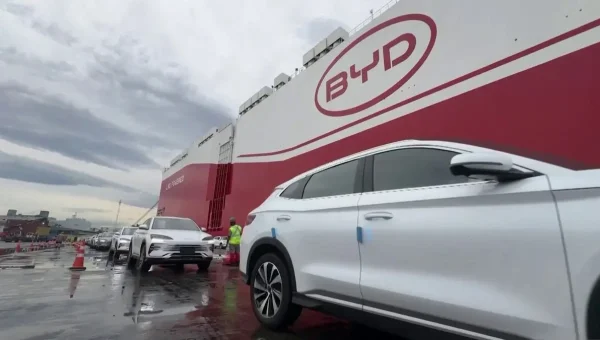
BYD Ignites German Price War with 32% Discount, Challenging Volkswagen and Mercedes
BYD offered discounts of 27.5% and 31.8% on its plug-in hybrid models in Germany during August. The company captured 10.7% of the market in July, taking fourth place. Discounts exceeded…
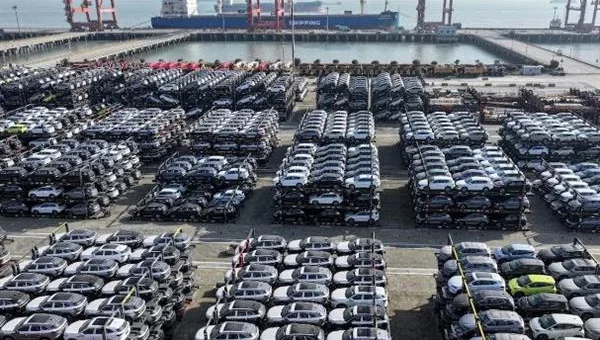
Mercedes, BMW, Volkswagen, and Porsche Sales Collapse 40% in China
German automotive giants saw sales in China plunge between 30% and 40% during parts of this year, outpacing the overall market's 20% contraction. The development cycle gap — 18 months…
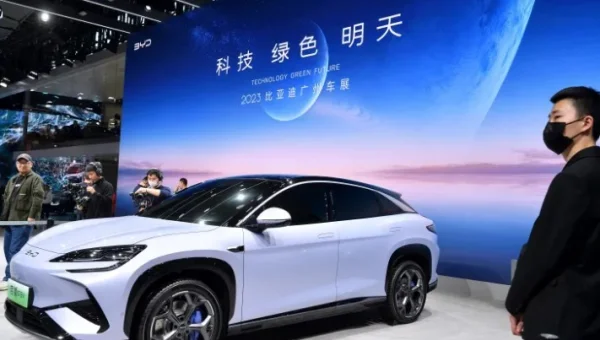
China Car Sales Set to Drop to 18.5 Million Units in 2026
Passenger car sales in China are projected to drop to 18.5 million units in 2026, down from 23.7 million in 2025. Forecasts point to a limited 2% recovery in 2027…
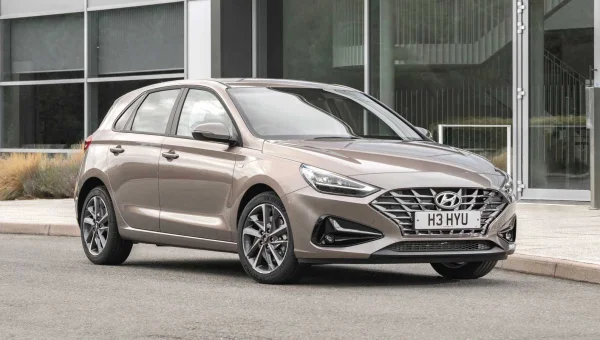
Hyundai Hydrogen Sales Surpass 50,000 Units in Korea
Hyundai Motor's cumulative hydrogen fuel cell vehicle sales in South Korea have exceeded 50,262 units as of the end of September. The Nexo SUV, launched in 2018, accounts for the…

