

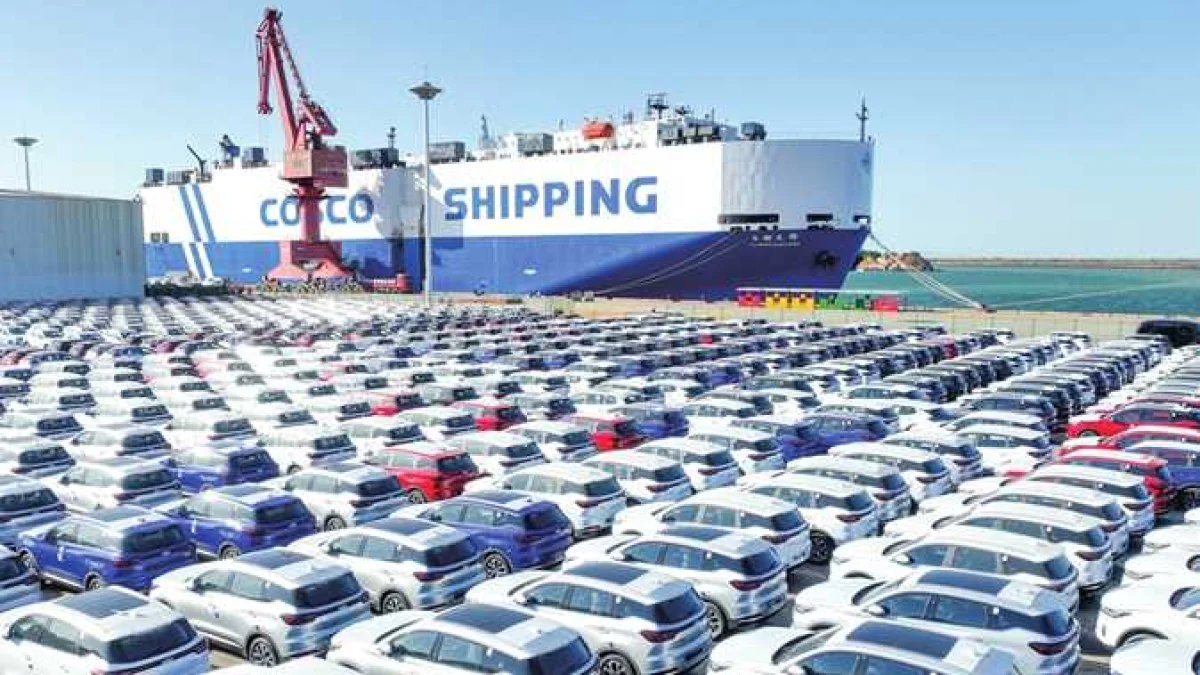
Trump's Shocking Plan: Chinese EV Invasion of US — Only with American Workers
US President Donald Trump has expressed openness to allowing Chinese electric vehicle companies like BYD and Geely to manufacture inside the United States, provided they hire American workers. His remarks come as Washington maintains a de facto ban on imported Chinese cars due to tariffs and national security concerns. The statement precedes a planned summit with Chinese President Xi Jinping in Washington.
US President Donald Trump has signaled openness to allowing Chinese electric vehicle makers like BYD to build factories on American soil—but only if they hire American workers. The announcement comes as Washington maintains a de facto ban on importing Chinese cars.
What Did Trump Say About Geely and Chinese EVs?
In a Fox News interview, Trump ruled out opening the US market to imported Chinese vehicles. Referring to Chinese President Xi Jinping, he said, "We don't allow his cars to come into the United States, and we never have." He added that without those restrictions, the US market would have been flooded with these vehicles. The message is dual: no imports, yes to domestic manufacturing.
American Labor Condition... Opportunity or Stalling Tactic?
Trump didn't stop at imports—he set a clear condition: "If China wants to come in and open a plant to produce cars here, I'm fine with that. Japan does it, but they have to hire our workers. The most important thing is they hire our workers and use them." Analysts suggest this stance could pave the way for massive Chinese investment in US EV manufacturing, especially amid intensifying global competition.
Why Are Chinese EVs Worrying Washington?
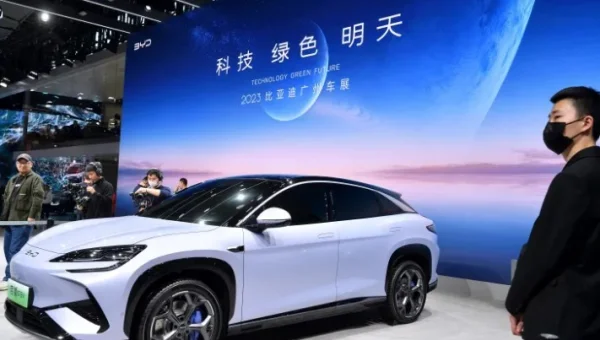
Low-cost, tech-loaded Chinese EVs from companies like BYD and Geely Automobile Holdings are rapidly gaining global market share. They have already appeared in Canada and Mexico, heightening fears among US automakers that they could soon try to crack the American market. Currently, Chinese cars are effectively blocked by high tariffs and a Commerce Department ban tied to national security concerns over connected vehicle systems.
Back in January, at the Detroit Economic Club in the heart of the US auto industry, Trump expressed openness to letting Chinese automakers manufacture inside the United States, saying: "Let China come in." These remarks come weeks before a planned summit with Xi in Washington, adding anticipation across the global auto industry.
Frequently Asked Questions
3 questions answered
Related News
View All News
Yttrium Crisis Hits Global Supply Chains, Threatens Auto and Aviation Industries as Japan and US Face Rare Earth Test
The yttrium crisis is escalating after China's rare earth export restrictions, threatening Japan's stockpiles within months. Yttrium oxide prices have reached $1,150 per kilogram outside China versus just $9 inside…
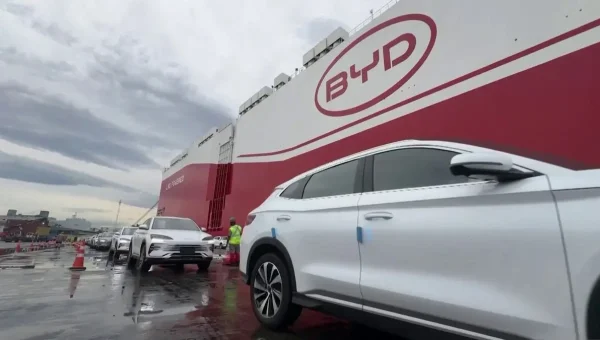
BYD Ignites German Price War with 32% Discount, Challenging Volkswagen and Mercedes
BYD offered discounts of 27.5% and 31.8% on its plug-in hybrid models in Germany during August. The company captured 10.7% of the market in July, taking fourth place. Discounts exceeded…
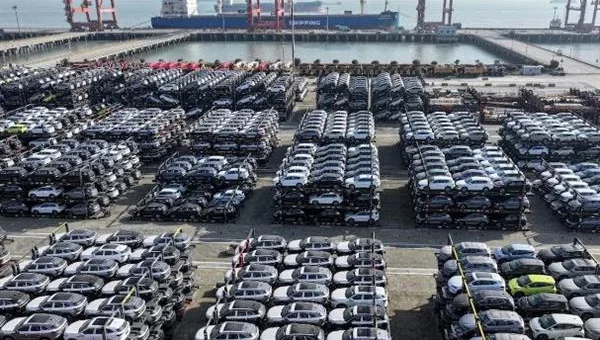
Mercedes, BMW, Volkswagen, and Porsche Sales Collapse 40% in China
German automotive giants saw sales in China plunge between 30% and 40% during parts of this year, outpacing the overall market's 20% contraction. The development cycle gap — 18 months…
China Car Sales Set to Drop to 18.5 Million Units in 2026
Passenger car sales in China are projected to drop to 18.5 million units in 2026, down from 23.7 million in 2025. Forecasts point to a limited 2% recovery in 2027…
Hyundai Hydrogen Sales Surpass 50,000 Units in Korea
Hyundai Motor's cumulative hydrogen fuel cell vehicle sales in South Korea have exceeded 50,262 units as of the end of September. The Nexo SUV, launched in 2018, accounts for the…

