

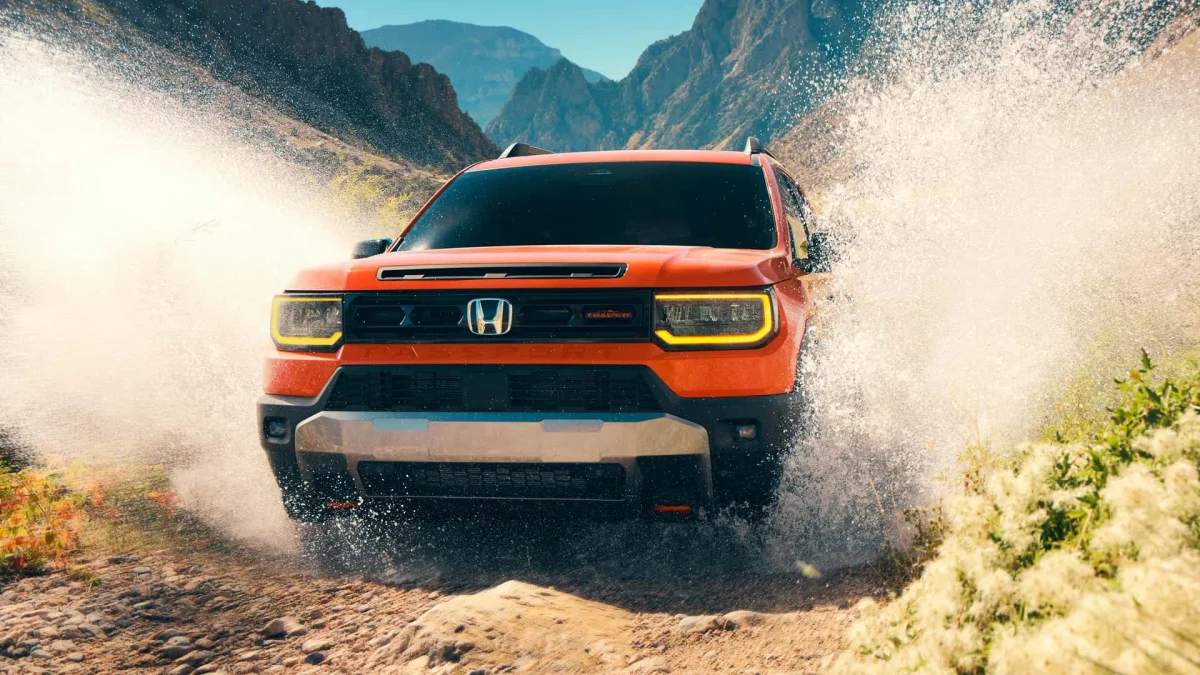
Truck Wars Intensify: Dakota Returns, Hyundai Enters, Kia Attacks, and Ridgeline Responds
Honda has confirmed it will continue using the unibody design for its next-generation Ridgeline, despite new entries from Hyundai, Kia, and Ram using traditional body-on-frame layouts. Annual sales have stayed stable above 45,000 units since 2021, with a towing capacity of 2,277 kg. The design gives the Ridgeline a unique blend of daily comfort and truck practicality.
The midsize truck segment is heating up worldwide. Ram prepares to revive the Dakota, while Hyundai and Kia plan to enter with body-on-frame designs, and Honda stays committed to its Ridgeline's unibody architecture. Honda has made its position clear.
Honda Refuses to Abandon the Ridgeline Philosophy
Speaking to media before the Freedom 250 race in Washington, Lance Woelfer, Honda's vice president of auto sales, confirmed the company will continue using the unibody design. The decision puts the Japanese brand on a direct collision course with Hyundai and Kia's traditional approach. The current truck has been a success story.
45,000 trucks per year is the current average for the Ridgeline, according to comments reported by automotive outlets. That figure has stayed above 40,000 units annually since 2021, compared to around 30,000 in its early years. Honda has carved out a market niche that competitors seem to have missed.
A Unique Advantage in the Truck World
The unibody platform gives the Honda a rare edge, shared only with the much smaller Ford Maverick. Ride comfort comes from sharing the Odyssey's platform, and handling feels far nimbler than traditional rivals. Most truck owners rarely use their vehicle's full capabilities in daily driving.
Practical numbers tell the story: a towing capacity of 2,277 kilograms and a 1.6-meter cargo bed. The Ridgeline is built for everyday usability without sacrificing truck functionality. Honda prices in the Egyptian market reflect this practical approach.
New competitors are coming, yet the Ridgeline's stable sales suggest Honda may be onto something. While Hyundai and Kia push toward body-on-frame trucks, Honda remains loyal to a proven philosophy backed by consistent numbers.
Frequently Asked Questions
3 questions answered
Related News
View All News
Yttrium Crisis Hits Global Supply Chains, Threatens Auto and Aviation Industries as Japan and US Face Rare Earth Test
The yttrium crisis is escalating after China's rare earth export restrictions, threatening Japan's stockpiles within months. Yttrium oxide prices have reached $1,150 per kilogram outside China versus just $9 inside…
BYD Ignites German Price War with 32% Discount, Challenging Volkswagen and Mercedes
BYD offered discounts of 27.5% and 31.8% on its plug-in hybrid models in Germany during August. The company captured 10.7% of the market in July, taking fourth place. Discounts exceeded…
Mercedes, BMW, Volkswagen, and Porsche Sales Collapse 40% in China
German automotive giants saw sales in China plunge between 30% and 40% during parts of this year, outpacing the overall market's 20% contraction. The development cycle gap — 18 months…
China Car Sales Set to Drop to 18.5 Million Units in 2026
Passenger car sales in China are projected to drop to 18.5 million units in 2026, down from 23.7 million in 2025. Forecasts point to a limited 2% recovery in 2027…
Hyundai Hydrogen Sales Surpass 50,000 Units in Korea
Hyundai Motor's cumulative hydrogen fuel cell vehicle sales in South Korea have exceeded 50,262 units as of the end of September. The Nexo SUV, launched in 2018, accounts for the…

