

From California to the Streets: How Toyota FT-1 Evolved from Future Toyota Dream to the Real GR Supra
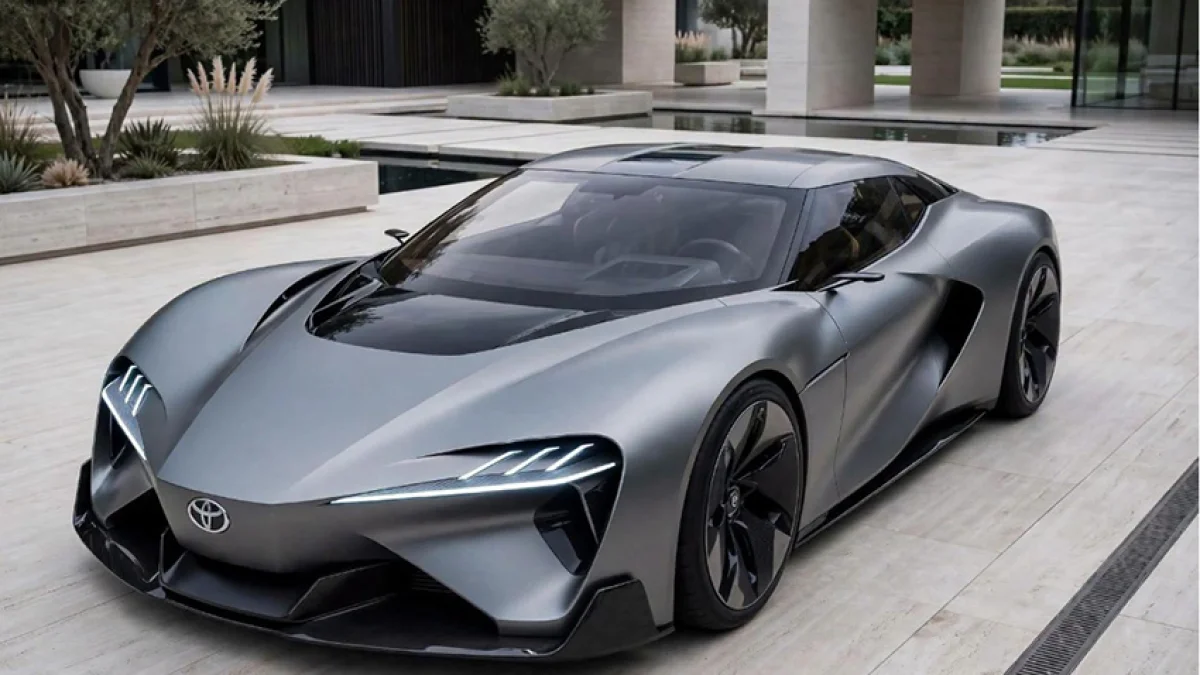
Toyota unveiled the FT-1 concept roughly five years before launching the fifth-generation Supra. Developed at Calty studio in California, the car previewed the sports design language that carried over to the GR Supra production model. The FT-1's hybrid powertrain produced 400 horsepower from a 3.0-liter V6 engine. Akio Toyoda tested the concept virtually and helped push the Supra project forward.
The Toyota FT-1 story is more than a passing concept car memory. Revealed roughly five years before the fifth-generation Supra, the FT-1 laid out a clear blueprint for the design identity that eventually reached the GR Supra production car. The 400 horsepower hybrid concept was never meant to stay a sketch. It was a clear signal.
What Is the Future Toyota FT-1 Concept?
The concept carried the FT-1 name, referencing "Future Toyota." The number "1" was no accident either. It stood for the top position in Toyota's concept series. Toyota developed the car at its Calty Design Research studio in California. There, the FT-1 received a bold sports design with sharp lines, low dimensions, and race-inspired features. A transparent engine cover was among its standout details. The active rear wing rose automatically at high speeds. FT-1 combined dynamic design with aerodynamic function in one package.
FT-1's Role in Reviving the Supra Project
The FT-1 reveal was not just a design showcase. The car played a key role in reviving the Supra project and paving the way for the fifth generation. Akio Toyoda, Toyota's president at the time, tested the concept virtually through the Gran Turismo game. The project then got approval to move forward. About five years after the FT-1 debut, the Toyota GR Supra production model arrived. The final car adopted many design ideas from the concept. Yet it came with smaller dimensions better suited for joint development and production with BMW.
Hybrid Powertrain with 400 Horsepower
FT-1's significance went beyond exterior design. Toyota used it to preview a sports performance vision built on a hybrid powertrain. The concept car relied on a 3.0-liter V6 engine. Total system output reached 400 horsepower. That figure was ambitious at the time. The powertrain combined an internal combustion engine with an electric motor. The goal was strong performance with better fuel efficiency. This philosophy later carried over to many Toyota sports and production cars.
The Gap Between Dream and Production Reality
When the Supra reached production lines, it was not a carbon copy of the FT-1. Dimensions changed. The design adapted to shared production platforms. Some bold details disappeared. But the FT-1 spirit remained. Sharp lines, low proportions, and aggressive features all made it to the GR Supra MK5. This transition from concept to production car shows how Toyota uses concepts to test market and audience reactions before committing to a full production program.
FT-1's Legacy in the Sports Car World
Today, the FT-1 is seen as the bridge between concept cars and production designs. It was not just a show car. It was a development and testing tool for the fifth-generation Supra's identity. This approach made the GR Supra feel closer to its audience. Toyota Supra prices in the Egyptian market reflect its status as an iconic sports car. From California to the streets, the FT-1 proved that design dreams can become reality on four wheels.
Frequently Asked Questions
3 questions answered
Related News
View All News
Yttrium Crisis Hits Global Supply Chains, Threatens Auto and Aviation Industries as Japan and US Face Rare Earth Test
The yttrium crisis is escalating after China's rare earth export restrictions, threatening Japan's stockpiles within months. Yttrium oxide prices have reached $1,150 per kilogram outside China versus just $9 inside…
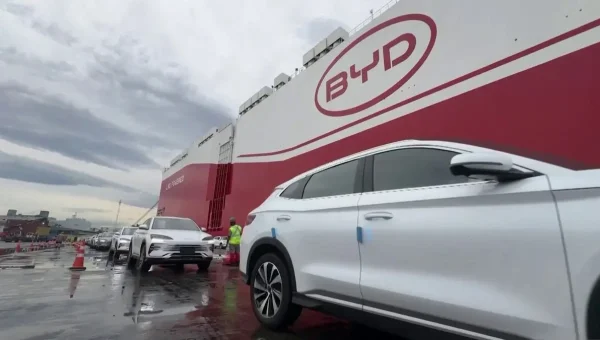
BYD Ignites German Price War with 32% Discount, Challenging Volkswagen and Mercedes
BYD offered discounts of 27.5% and 31.8% on its plug-in hybrid models in Germany during August. The company captured 10.7% of the market in July, taking fourth place. Discounts exceeded…
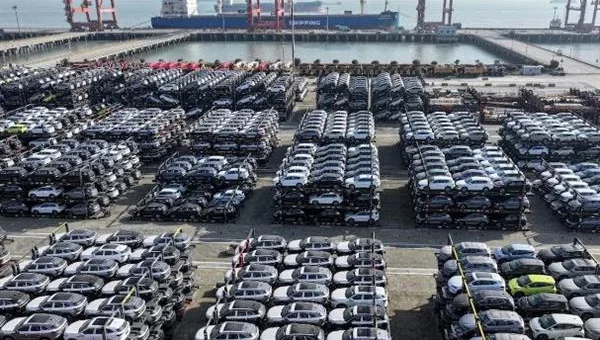
Mercedes, BMW, Volkswagen, and Porsche Sales Collapse 40% in China
German automotive giants saw sales in China plunge between 30% and 40% during parts of this year, outpacing the overall market's 20% contraction. The development cycle gap — 18 months…
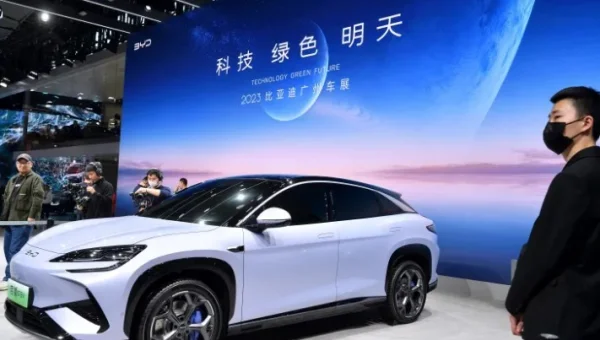
China Car Sales Set to Drop to 18.5 Million Units in 2026
Passenger car sales in China are projected to drop to 18.5 million units in 2026, down from 23.7 million in 2025. Forecasts point to a limited 2% recovery in 2027…
Hyundai Hydrogen Sales Surpass 50,000 Units in Korea
Hyundai Motor's cumulative hydrogen fuel cell vehicle sales in South Korea have exceeded 50,262 units as of the end of September. The Nexo SUV, launched in 2018, accounts for the…

