

Toyota China Restructuring: FAW-GAC Merger Talks Signal Wave of Auto Consolidation
GAC announced plans to acquire part of FAW Group's stake in a joint venture with Toyota in China. The deal could pave the way for a larger merger between Toyota's two operations in the country after years of rapid expansion. China's auto industry faces massive overcapacity and over 100 competing brands. S&P Global Ratings expects a broader sector restructuring over the next two to three years.
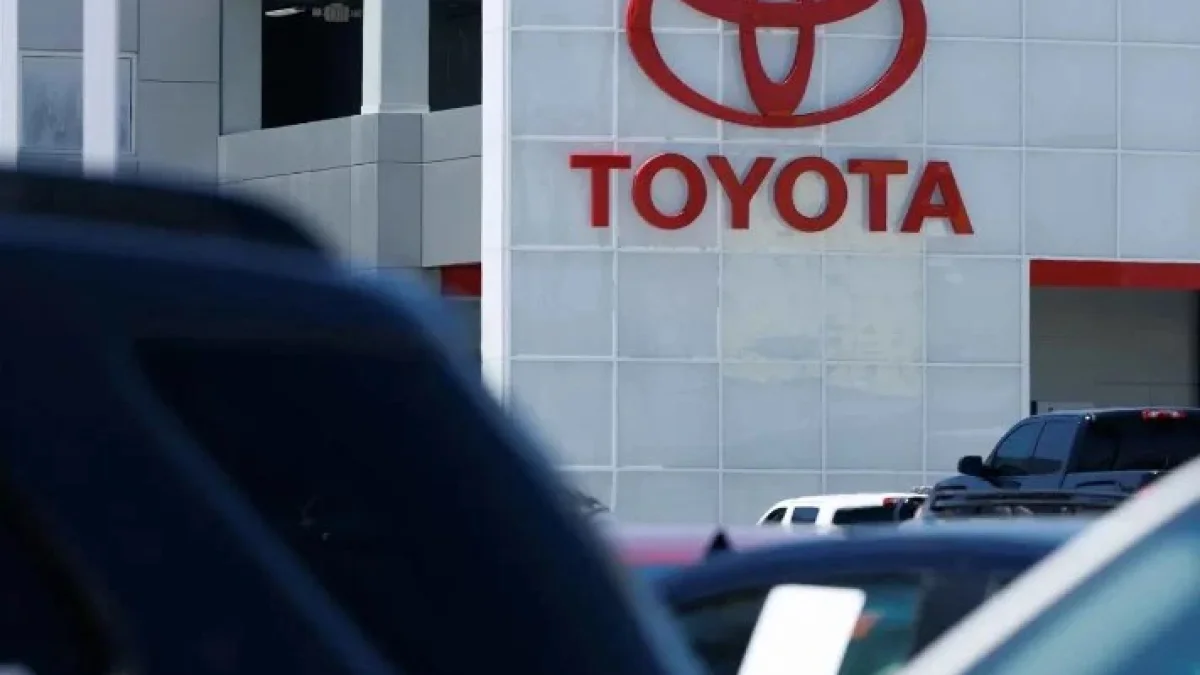
Toyota is making a move that could reshape its entire China playbook. Guangzhou Automobile Group (GAC) announced Monday it plans to acquire part of FAW Group's stake in a joint venture with a carmaker listed outside China — and the deal involves Toyota. The step may pave the way for a larger merger between Toyota's two operations in the Chinese market.
Over 100 Brands and a Massive Capacity Glut
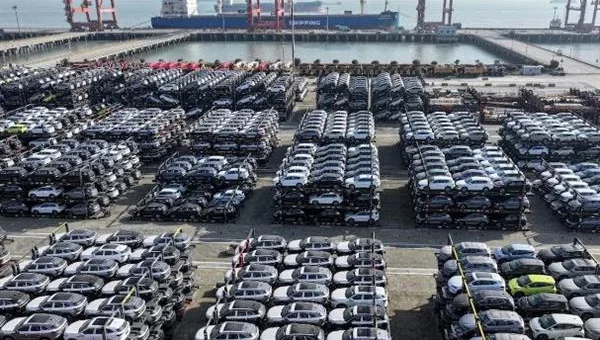
China's auto industry — the world's largest — is approaching a wave of sweeping restructuring. Years of rapid expansion left the market drowning in excess production capacity and more than 100 competing brands. The result? Parallel operating networks that no longer make economic sense. Toyota prices and brutal price competition are pushing the industry toward consolidation.
S&P Warning: Broader Restructuring Ahead
S&P Global Ratings said the auto industry has long suffered from competition that leads to losses. Weak demand, excess capacity, and the rapid shift to electric vehicles are testing the ability of state-owned automakers and their joint ventures with foreign companies. The agency expects a broader wave of sector restructuring over the next two to three years.
Toyota Trims Its China Networks
For decades, Toyota relied on two separate partnerships in China — with FAW in the north and GAC in the south. That strategy helped it build a massive production and sales base during the market's rapid growth phase. But slowing growth, intensifying competition. The EV transition have squeezed foreign automakers' profits and weakened the case for maintaining two parallel operations. The proposed deal could signal a broader wave of consolidation across China's auto sector.
Frequently Asked Questions
3 questions answered
Related News
View All News
Yttrium Crisis Hits Global Supply Chains, Threatens Auto and Aviation Industries as Japan and US Face Rare Earth Test
The yttrium crisis is escalating after China's rare earth export restrictions, threatening Japan's stockpiles within months. Yttrium oxide prices have reached $1,150 per kilogram outside China versus just $9 inside…
BYD Ignites German Price War with 32% Discount, Challenging Volkswagen and Mercedes
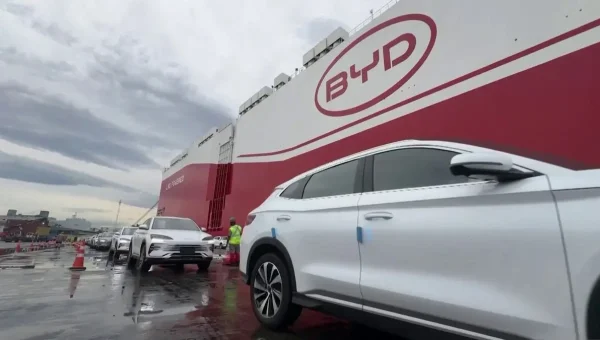
BYD offered discounts of 27.5% and 31.8% on its plug-in hybrid models in Germany during August. The company captured 10.7% of the market in July, taking fourth place. Discounts exceeded…
Mercedes, BMW, Volkswagen, and Porsche Sales Collapse 40% in China
German automotive giants saw sales in China plunge between 30% and 40% during parts of this year, outpacing the overall market's 20% contraction. The development cycle gap — 18 months…
China Car Sales Set to Drop to 18.5 Million Units in 2026
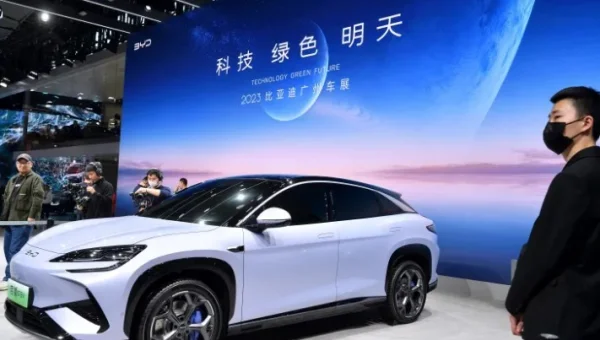
Passenger car sales in China are projected to drop to 18.5 million units in 2026, down from 23.7 million in 2025. Forecasts point to a limited 2% recovery in 2027…
Hyundai Hydrogen Sales Surpass 50,000 Units in Korea
Hyundai Motor's cumulative hydrogen fuel cell vehicle sales in South Korea have exceeded 50,262 units as of the end of September. The Nexo SUV, launched in 2018, accounts for the…

