

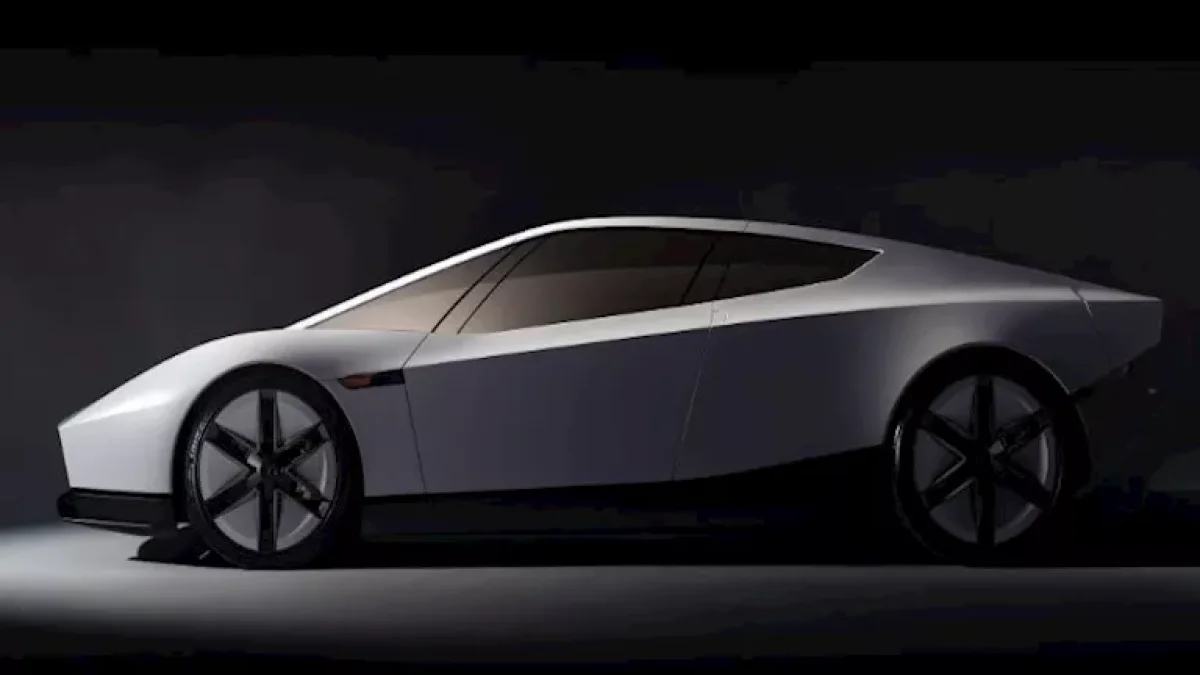
Tesla Roadster Jumps Mid-Air with SpaceX-Inspired Rocket Technology
Tesla has revealed the next-generation Roadster in a Texas demonstration where the car jumped into the air and rotated before landing, using thrusters inspired by SpaceX rockets. The system relies on 10 nozzles and two tanks with a combined 600-liter capacity for compressed gas, plus underbody fans for downforce. Tesla targets production in 2028 after years of delays. The display showcased capabilities far beyond conventional sports cars.
Tesla has unveiled the next-generation Roadster in a dramatic display in Texas, where the electric sports car leapt into the air and rotated before landing back on the ground using thruster technology inspired by SpaceX rockets. The event was attended by CEO Elon Musk, who confirmed production is targeted for 2028 after years of delays. The stunt was unlike anything seen before.
How Does the Tesla Roadster Jump?
The system relies on two separate mechanisms. The first is designed to keep the car planted on the road, while the second generates the thrust needed to lift and move it through the air. The first system uses fans mounted under the body to draw air and create downforce, improving grip and stability at high speeds and through corners. During the demonstration, this system allowed the Roadster to drive upside down on a curved track. Ever imagined a car driving on its roof?
The second system is far stranger. It uses compressed-gas thrusters inspired by SpaceX technology, featuring 10 nozzles connected to two tanks with a combined capacity of 600 liters. These thrusters generate force in multiple directions, allowing the car to rise, rotate. Control its movement during the display without relying on traditional rocket fuel. The 600-liter figure shows the scale of the setup.
Production Timeline and Challenges
Tesla aims to begin Roadster production in 2028, after years of repeated delays. The Texas event served as a showcase for capabilities that go far beyond conventional sports cars. But the real question remains: will this technology reach actual production? The company has not yet disclosed full performance specifications or final pricing. What we do know is that the gas thrusters are set to enter the production line.
An electric car that jumps, rotates mid-air. Steers itself with compressed-gas nozzles — this isn't a sci-fi scene, but a live demonstration from Tesla. The technology inspired by SpaceX rockets opens the door to an entirely new concept for electric sports cars. Production is set for 2028. Until then, the question lingers: will these capabilities ever hit the streets?
Frequently Asked Questions
3 questions answered
Related News
View All News
Yttrium Crisis Hits Global Supply Chains, Threatens Auto and Aviation Industries as Japan and US Face Rare Earth Test
The yttrium crisis is escalating after China's rare earth export restrictions, threatening Japan's stockpiles within months. Yttrium oxide prices have reached $1,150 per kilogram outside China versus just $9 inside…
BYD Ignites German Price War with 32% Discount, Challenging Volkswagen and Mercedes
BYD offered discounts of 27.5% and 31.8% on its plug-in hybrid models in Germany during August. The company captured 10.7% of the market in July, taking fourth place. Discounts exceeded…
Mercedes, BMW, Volkswagen, and Porsche Sales Collapse 40% in China
German automotive giants saw sales in China plunge between 30% and 40% during parts of this year, outpacing the overall market's 20% contraction. The development cycle gap — 18 months…
China Car Sales Set to Drop to 18.5 Million Units in 2026
Passenger car sales in China are projected to drop to 18.5 million units in 2026, down from 23.7 million in 2025. Forecasts point to a limited 2% recovery in 2027…
Hyundai Hydrogen Sales Surpass 50,000 Units in Korea
Hyundai Motor's cumulative hydrogen fuel cell vehicle sales in South Korea have exceeded 50,262 units as of the end of September. The Nexo SUV, launched in 2018, accounts for the…

