

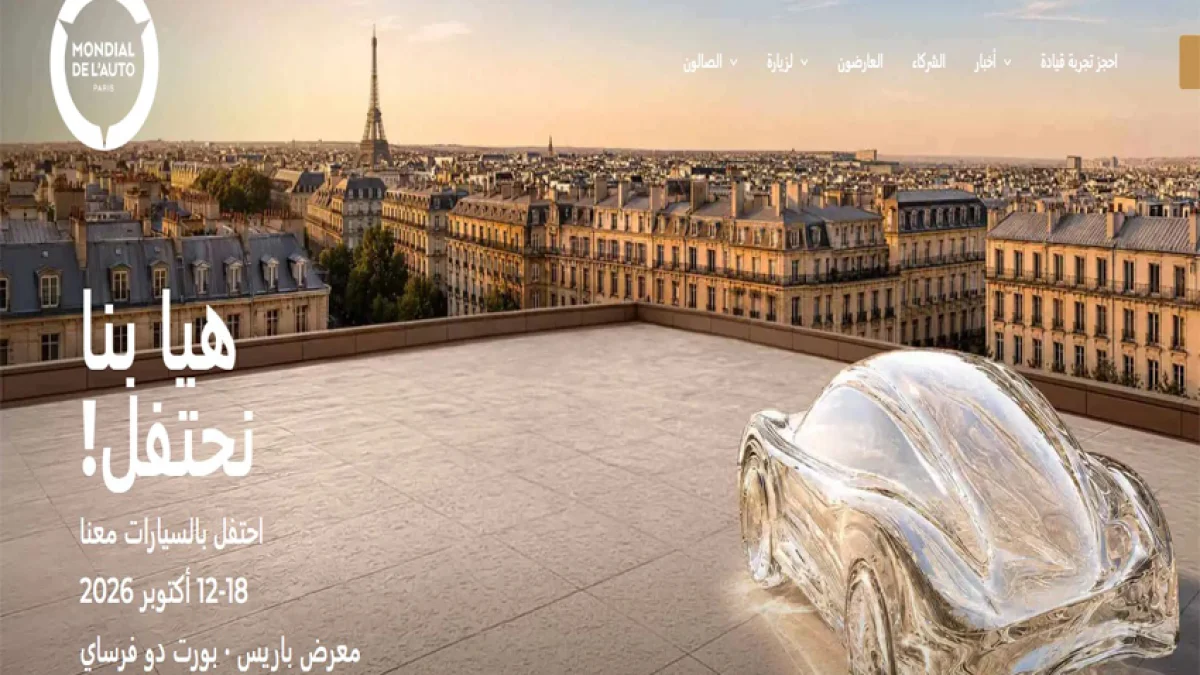
Stellantis Unveils FaSTLane 2030 at Paris: 60 Cars, 8 Brands, and Morocco at the Heart of the Global Event
Stellantis has revealed its new FaSTLane 2030 strategy during its largest-ever participation at the 2026 Paris Motor Show, occupying a pavilion exceeding 5,000 square meters. The group is showcasing over 60 vehicles and 9 concept cars across 8 brands including Fiat, Peugeot, and Citroën. This aligns with the 'freedom of choice' philosophy covering petrol, hybrid, and electric, with the Middle East and Africa described as a strategic growth engine.
Stellantis has revealed the practical implementation of its new FaSTLane 2030 strategy during its largest-ever participation at the 2026 Paris Motor Show. The group is set to occupy a massive pavilion exceeding 5,000 square meters, showcasing more than 60 vehicles, including 9 concept cars and numerous models making their world debut.
Eight Brands Under One Roof
Stellantis is participating through 8 of its renowned brands: Alfa Romeo, Citroën, DS Automobiles, Fiat, Lancia, Leapmotor, Opel, and Peugeot. This broad presence reflects a renewed ambition for growth built on three pillars: product, technology, and customer-centric innovation. The participation underscores the group's strength and ability to compete across global markets.
Freedom of Choice.. The Theme of the Era
Stellantis's presence in Paris revolves around the philosophy of 'freedom of choice,' with displayed vehicles covering all mobility needs, from compact solutions for congested cities to family cars and long-distance travel options. The group is also showcasing a wide range of powertrains including petrol, hybrid, and electric, reaffirming its practical and flexible approach to energy transition without forcing a single technology on all markets.
Stars of the Show: Fiat Grizzly and DS N°7
Among the highlights, Stellantis is unveiling the new Fiat Grizzly, Fiat Grizzly Fastback, DS N°7, Lancia Gamma, and a range of new models from Leapmotor. These models reflect the group's creative momentum and its ability to deliver products that meet customer aspirations across different markets.
Why the Middle East and Africa?
The Middle East and Africa region was not far from the heart of the Paris event. The group described the region as a 'strategic engine for growth and a key contributor to its long-term ambitions.' It explained that the 'freedom of choice' strategy gains double importance in regional markets, given the varying pace of electric transition from one country to another and the diverse needs ranging from economical to luxury and commercial vehicles.
Frequently Asked Questions
3 questions answered
Related News
View All News
Yttrium Crisis Hits Global Supply Chains, Threatens Auto and Aviation Industries as Japan and US Face Rare Earth Test
The yttrium crisis is escalating after China's rare earth export restrictions, threatening Japan's stockpiles within months. Yttrium oxide prices have reached $1,150 per kilogram outside China versus just $9 inside…
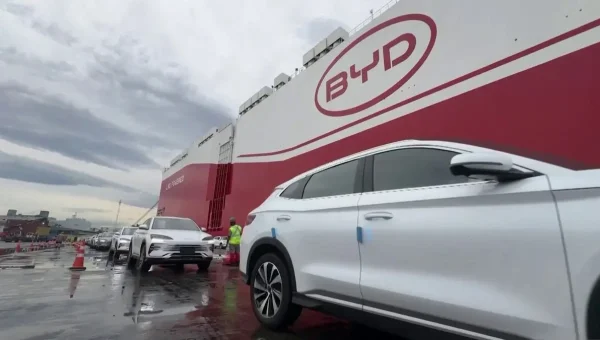
BYD Ignites German Price War with 32% Discount, Challenging Volkswagen and Mercedes
BYD offered discounts of 27.5% and 31.8% on its plug-in hybrid models in Germany during August. The company captured 10.7% of the market in July, taking fourth place. Discounts exceeded…
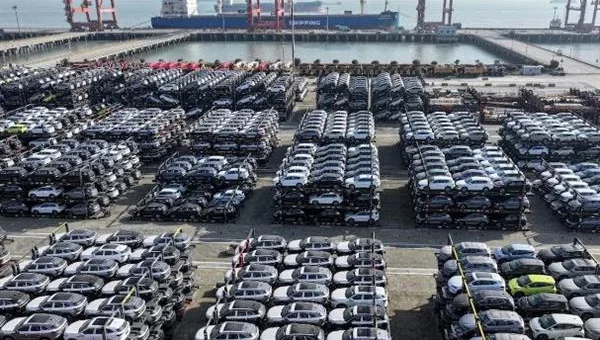
Mercedes, BMW, Volkswagen, and Porsche Sales Collapse 40% in China
German automotive giants saw sales in China plunge between 30% and 40% during parts of this year, outpacing the overall market's 20% contraction. The development cycle gap — 18 months…
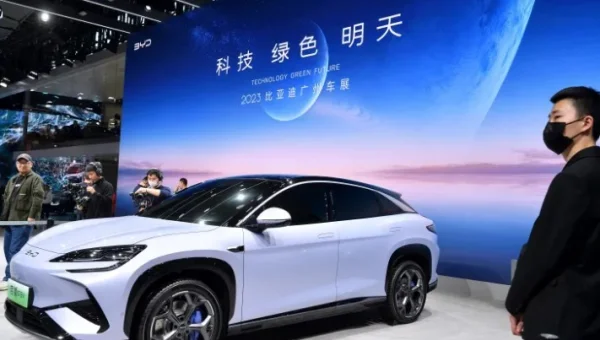
China Car Sales Set to Drop to 18.5 Million Units in 2026
Passenger car sales in China are projected to drop to 18.5 million units in 2026, down from 23.7 million in 2025. Forecasts point to a limited 2% recovery in 2027…
Hyundai Hydrogen Sales Surpass 50,000 Units in Korea
Hyundai Motor's cumulative hydrogen fuel cell vehicle sales in South Korea have exceeded 50,262 units as of the end of September. The Nexo SUV, launched in 2018, accounts for the…

